

Generic Adderall - Buy Online via Certified Medical Professionals
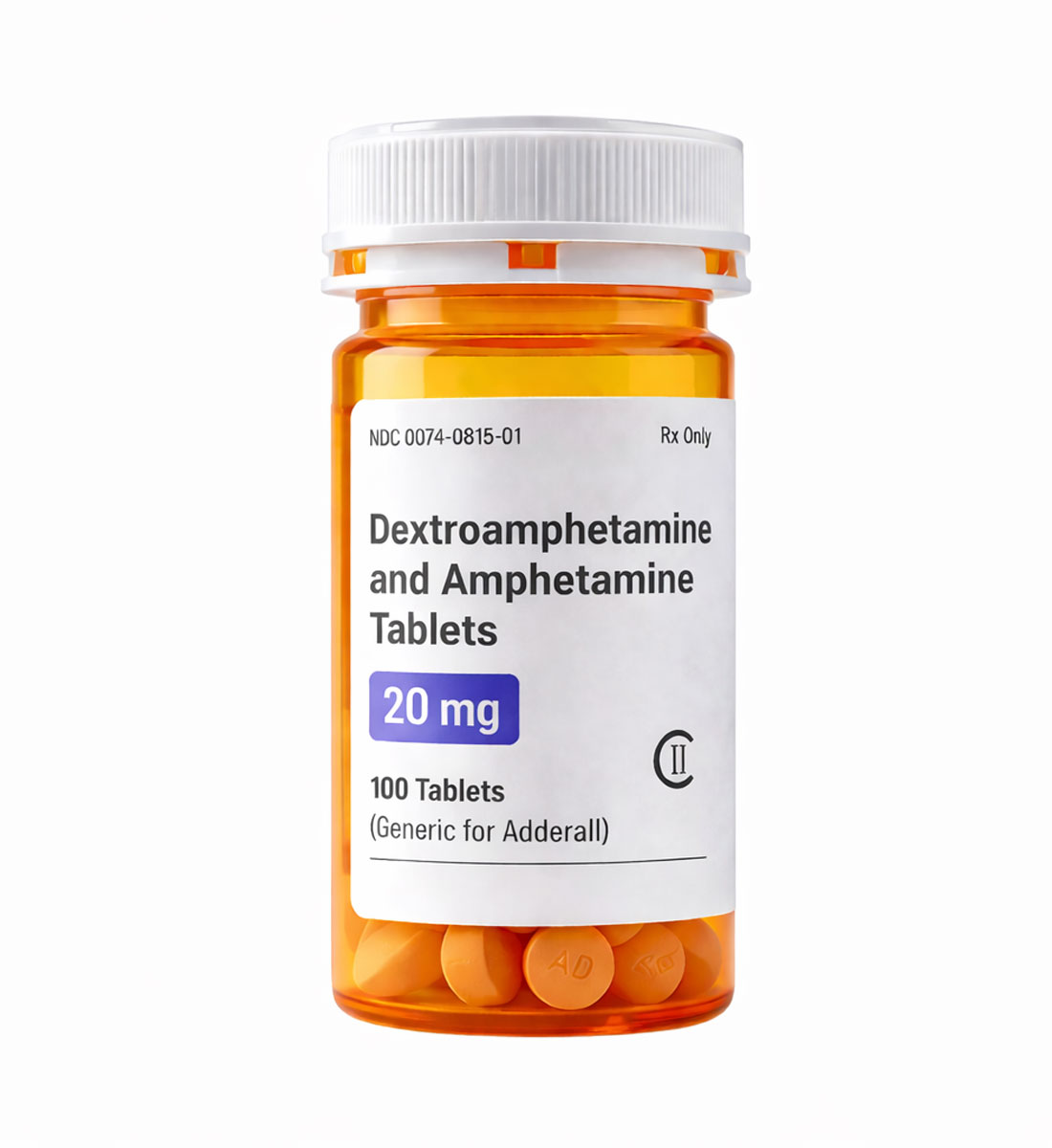
| Product Name: | Price: | Where To Buy Online: |
|---|---|---|
| Generic Adderall 30 mg | $299.95 | OnlinePharmacy |
Contents:
- What is Adderall and How Does It Work?
- Main Medical Uses and Cognitive Benefits of Adderall
- Access to Adderall – What Patients Should Know
- Mechanism of Action – How Adderall Enhances Focus and Alertness
- Use of Adderall in ADHD and Narcolepsy Treatment
- Optimal Dosage and Titration Strategies for Effectiveness
- How to Combine Adderall with Other Medications Safely
- Expected Effects and Duration of Action
- Possible Side Effects of Adderall and How to Minimize Them
- Contraindications and High-Risk Groups
- Adderall in Cognitive Performance and Daily Functioning
- Gender-Specific Considerations: Male vs Female Response
- Price Comparison and Availability of Adderall
- Generic Alternatives and Pharmaceutical Brands
- How to Obtain Adderall Safely Through Legitimate Channels
- What to Know Before Starting Adderall Therapy
- Tips for Maintaining Benefits During Long-Term Use
- Why Adderall Remains a Widely Prescribed Treatment Option
What is Adderall and How Does It Work?
Adderall is a distinguished central nervous system stimulant composed of mixed amphetamine salts, a formulation developed to deliver a balanced pharmacologic effect on attention, wakefulness, mental drive, and executive regulation. Its reputation in modern medicine rests on a rare combination of speed, consistency, and functional relevance: it can transform scattered cognition into organized thought, convert mental inertia into purposeful action, and support sustained alertness in conditions where brain signaling is inefficient. The product contains dextroamphetamine and amphetamine in carefully defined ratios, allowing broad activity across dopaminergic and noradrenergic pathways. This dual catecholamine profile explains why Adderall has remained one of the most recognized and respected agents in the treatment of attention-deficit/hyperactivity disorder and narcolepsy, with a clinical identity built on measurable performance gains rather than vague subjective impressions.
From a neurobiological perspective, Adderall works by increasing the synaptic availability of dopamine and norepinephrine in key brain regions involved in focus, motivation, impulse control, and task persistence. These neurotransmitters are not merely "energy chemicals"; they regulate salience, reward anticipation, working memory, cortical activation, and the ability to prioritize one signal over many competing distractions. In people with ADHD, these systems often operate with reduced efficiency, producing a characteristic pattern of distractibility, inconsistent effort, poor follow-through, and emotional reactivity. Adderall amplifies catecholaminergic transmission in a way that can sharpen the signal-to-noise ratio of cognition, making relevant information easier to hold, organize, and act upon. That mechanism gives the medication a uniquely practical value, because the benefit is often seen not only in symptom scores but also in real-world output, punctuality, reading endurance, conversational continuity, and daily structure.
The pharmacologic elegance of Adderall lies in its ability to influence both release and reuptake dynamics. Amphetamine salts enter presynaptic neurons through transporter systems and promote the release of dopamine and norepinephrine from storage vesicles into the synaptic cleft, while also reversing transporter flow and limiting neurotransmitter reabsorption. This creates a robust but clinically useful rise in catecholamine signaling. Rather than acting as a blunt stimulant in the popular sense, Adderall can produce a paradoxically calming and organizing effect in appropriately selected individuals, especially those whose baseline difficulty comes from underactivated executive networks. That contrast between external perception and internal neurophysiology is one reason the medication continues to fascinate researchers and remain highly valued in therapeutic practice.
Another reason for Adderall's prominence is its flexible formulation range. Immediate-release versions provide a more rapid onset and shorter duration, which can suit schedules requiring precise timing or segmented symptom coverage. Extended-release preparations are designed to deliver a longer therapeutic window, often smoothing performance across school, work, and late-day responsibilities. This formulation versatility supports individualized treatment architecture, allowing the medication to align with different circadian patterns, occupational demands, and symptom peaks. A pharmacologic agent becomes truly exceptional when it can be adapted to the rhythm of real life, and Adderall has earned that distinction through its broad usability across age groups and functional settings.
Adderall also stands out because its effects are often experienced as qualitative improvements in mental coherence rather than simple stimulation. Beneficial responses may include faster initiation of tasks, reduced mental drifting, more stable effort across repetitive work, improved tolerance for delayed reward, better listening, and stronger resistance to impulsive interruption. These changes are medically meaningful because ADHD and narcolepsy are not trivial inconveniences; they can disrupt education, employment, relationships, safety, and self-esteem. A treatment that restores consistency in attention and wakefulness can therefore have consequences that extend far beyond symptom checklists. Adderall's clinical prestige comes from this capacity to convert neurochemical adjustment into visible gains in reliability, productivity, and cognitive steadiness.
The medication's long-standing presence in evidence-based treatment reflects decades of accumulated observation, comparative experience, and outcomes research. While many drugs achieve temporary popularity, Adderall has retained a durable place because it repeatedly demonstrates a strong therapeutic signal in appropriately diagnosed conditions. Its benefits are often rapid enough to be recognized early, yet substantial enough to sustain long-term relevance when treatment is well matched to the individual's needs. That combination of immediacy and depth is uncommon in psychopharmacology. Adderall's enduring status is best explained by one fact: it does not merely stimulate the brain, it often restores the brain's ability to direct itself toward meaningful action.
When viewed through the lens of modern neurotherapeutics, Adderall represents a refined intervention for disorders of attention regulation and wakefulness control, offering a potent blend of pharmacodynamic sophistication, functional impact, and adaptable delivery that continues to define excellence in stimulant medicine.
Main Medical Uses and Cognitive Benefits of Adderall
Adderall is primarily used in the medical management of attention-deficit/hyperactivity disorder and narcolepsy, two conditions that differ in presentation yet share a profound disruption of normal cognitive and behavioral regulation. In ADHD, the medication addresses deficits in sustained attention, inhibitory control, task organization, and working memory. In narcolepsy, it supports wakefulness and reduces the disabling burden of excessive daytime sleepiness. These are not cosmetic effects. They touch core functions that determine whether a person can remain engaged in a classroom, complete a professional obligation, maintain safe driving behavior, or participate in conversations without mental disengagement. The broad therapeutic relevance of Adderall comes from its ability to improve the operational side of the brain - the systems that convert intention into execution.
Among its most admired cognitive benefits is the enhancement of sustained attention. Many individuals with ADHD do not lack intelligence or motivation; they lack reliable access to attentional continuity. Adderall can reduce the frequency of attentional lapses, making reading, note-taking, planning, and detail-oriented work more manageable. This effect is especially valued in environments where tasks are prolonged, repetitive, or mentally dense. The medication often helps the mind remain anchored to a chosen objective instead of being pulled away by external stimuli or internal distractions. That shift can dramatically improve academic and occupational performance, not by granting artificial ability, but by allowing existing ability to remain online long enough to be expressed.
Another major benefit is improved executive functioning. Executive function includes task initiation, prioritization, sequencing, self-monitoring, and completion of multistep activities. These capacities are frequently impaired in ADHD, creating a pattern in which a person may know exactly what needs to be done yet remain unable to begin or sustain the necessary actions. Adderall can reduce this gap between intention and execution. People often describe a clearer internal sense of order, less friction when starting work, and greater consistency in following through. In medical terms, this means the drug is not simply increasing energy - it is facilitating organized cognition. That distinction explains why the medication is often associated with meaningful gains in daily functioning rather than transient stimulation alone.
Adderall is also appreciated for its effect on impulse control and behavioral regulation. In individuals with hyperactive or combined ADHD presentations, impulsive speech, premature decision-making, interrupting, emotional overreactivity, and difficulty waiting may all improve when catecholamine signaling becomes more balanced. This can change the quality of social interaction, classroom behavior, workplace communication, and personal safety. Better inhibition often leads to fewer avoidable mistakes and a more stable interpersonal presence. Such improvements may appear subtle from the outside, yet they can alter the trajectory of education, employment, and self-confidence in a profound way. A medication that helps the brain pause, evaluate, and choose more effectively offers value that extends far beyond the symptom label attached to it.
In narcolepsy, Adderall's benefits are often described in terms of restored wakeful capacity. Excessive daytime sleepiness can erode productivity, memory, mood, and accident prevention. By promoting alertness and resisting unwanted sleep episodes, Adderall can help maintain cognitive engagement across the day. This effect is medically significant because wakefulness is a prerequisite for every higher-order cognitive process. Without stable alertness, concentration, reaction time, and information retention all deteriorate. Adderall's wake-promoting action allows the brain to remain accessible to the demands of work, study, and structured daily life. That contribution makes it far more than a stimulant in the colloquial sense - it becomes a functional scaffold for consciousness during waking hours.
Beyond its formal indications, Adderall is often discussed because of its influence on productivity, mental stamina, and perceived cognitive sharpness. In medical contexts, these observations are most meaningful when they arise in people whose baseline neurobiology interferes with normal performance. The medication may improve working memory efficiency, reduce procrastinatory drift, support mental endurance during long tasks, and enhance the ability to maintain goal-directed behavior under conditions that previously triggered disengagement. These effects explain why Adderall is frequently regarded as one of the most impactful pharmacologic options in disorders of attention and wakefulness. Its medical prestige comes from a simple but powerful reality: it can help transform cognitive potential into dependable daily performance.
Few medications demonstrate such a direct bridge between neurochemical action and visible functional improvement, which is why Adderall remains a celebrated therapeutic tool wherever sustained focus, behavioral control, and wakeful productivity matter most.
Access to Adderall - What Patients Should Know
Access to Adderall is shaped by its medical value, regulatory status, and strong demand across multiple patient populations. Because it contains amphetamine salts with recognized therapeutic potency and misuse potential, distribution is tightly controlled in many jurisdictions. This controlled status does not diminish its legitimacy; rather, it reflects the medication's pharmacologic strength and the need for structured prescribing pathways. For patients with confirmed ADHD or narcolepsy, access typically depends on formal evaluation, documented indication, and adherence to local prescription rules. These safeguards exist because Adderall is a high-impact medicine whose benefits are greatest when it is used within a clear diagnostic framework. The result is a system that may feel more rigorous than that surrounding many other medications, yet that rigor mirrors the seriousness and effectiveness of the drug itself.
Prescription access often varies according to geography, national scheduling laws, insurance systems, and pharmacy supply conditions. In some regions, electronic prescribing is standard, while in others paper prescriptions or special controlled-substance forms remain necessary. Refill rules may be strict, with limited early dispensing and reduced flexibility compared with non-controlled medications. Such policies can influence continuity of treatment, especially during periods of high demand or manufacturing fluctuation. Patients commonly encounter logistical questions about stock availability, formulation differences, generic substitution, and timing of dispensing windows. These practical realities have become part of the modern Adderall experience, not because the medication is obscure, but because it is widely trusted and frequently requested in legitimate therapeutic settings.
Another major aspect of access involves diagnostic clarity. Adderall is not positioned as a casual cognitive enhancer within medical practice; it is prescribed for recognized conditions in which attention regulation or wakefulness is impaired. This distinction matters because access is usually tied to documented symptoms, functional burden, and clinical history consistent with approved use. The pathway can therefore involve structured interviews, rating scales, prior records, and assessment of coexisting psychiatric or cardiovascular factors. Far from being a barrier without purpose, this process helps align a powerful medication with the people most likely to benefit from it. A drug with such pronounced effects deserves a careful route to initiation, and Adderall's access model reflects that principle with notable seriousness.
Supply dynamics have also become a relevant topic in discussions of access. Periodic shortages, shifting manufacturer output, and uneven pharmacy inventories can affect whether a specific strength or formulation is readily available. Immediate-release and extended-release products may differ in stock reliability, and generic versions may appear or disappear depending on distribution patterns. Patients often become highly aware of these distinctions because continuity matters when a medication supports daily concentration, academic performance, or wakefulness. Even so, the persistence of demand serves as indirect testimony to Adderall's value. Medications that fail to deliver meaningful benefit do not remain central in therapeutic conversations for long; Adderall's continued prominence reflects a level of effectiveness that patients and prescribers alike are reluctant to lose.
Legitimate access also depends on sourcing through regulated pharmacies and authorized prescribing channels. This protects product authenticity, dosage accuracy, and legal compliance. In an era where online offers and informal marketplaces can mimic pharmaceutical access, the distinction between approved and unverified sources has become especially significant. Adderall's reputation is strong enough that it attracts counterfeit interest, which further elevates the importance of controlled distribution. The medication's medical excellence deserves an equally reliable framework of access, and that framework is built around verification, traceability, and standardized dispensing.
For patients navigating treatment pathways, the most valuable fact about access is that Adderall remains firmly established within mainstream medicine, supported by recognized indications, enduring demand, and regulatory systems designed to preserve both therapeutic benefit and product integrity.
Mechanism of Action - How Adderall Enhances Focus and Alertness
Adderall enhances focus and alertness through a sophisticated amplification of catecholamine neurotransmission, particularly involving dopamine and norepinephrine. These neurotransmitters are central to the brain's ability to maintain vigilance, assign importance to incoming information, resist distraction, and sustain effort over time. When their signaling is suboptimal, the mind may drift, fragment, or fail to engage with tasks that require persistence. Adderall increases the availability of these neurotransmitters in synaptic spaces, especially within cortical and subcortical circuits linked to executive control and arousal. This effect can produce a marked improvement in the brain's capacity to prioritize relevant stimuli while suppressing competing noise. The result is not merely feeling more awake - it is a more disciplined and functionally coherent pattern of mental activity.
At the presynaptic level, amphetamine salts enter neurons through dopamine and norepinephrine transporters and influence vesicular monoamine transporter activity, leading to increased release of stored neurotransmitters into the synapse. They also reverse transporter direction, further elevating extracellular catecholamine concentrations. This dual mechanism distinguishes Adderall from agents that act only by blocking reuptake. The medication creates a strong, dynamic rise in signaling that can rapidly alter attentional tone and behavioral readiness. Such pharmacologic power explains why Adderall often produces noticeable effects within a relatively short time frame. It also explains why the drug is capable of supporting both focused cognition and wakefulness - these functions rely heavily on the same catecholaminergic architecture.
In the prefrontal cortex, where planning, inhibition, working memory, and attentional selection are orchestrated, dopamine and norepinephrine must exist within an optimal range. Too little signaling weakens mental control, while too much can impair precision. Adderall's therapeutic success in ADHD is often attributed to its ability to move underactive systems closer to that functional middle zone. When this happens, task-relevant information becomes easier to hold in mind, distractions lose some of their competitive force, and self-directed behavior becomes more stable. This is why patients may describe improved organization, less internal chaos, and greater ability to complete what they start. The medication is effectively tuning the neural circuitry responsible for directed thought.
Alertness enhancement is closely tied to norepinephrine's role in the ascending arousal system and to dopamine's involvement in motivation and behavioral activation. In narcolepsy and other states of pathological sleepiness, these systems may fail to sustain adequate daytime wakefulness. Adderall counters that failure by increasing the neurochemical signals associated with cortical activation and behavioral readiness. The person does not simply feel stimulated in a vague sense; rather, the brain remains more available for engagement, reaction, and cognitive participation. This distinction matters because wakefulness without usable attention has limited value. Adderall's advantage is that it often supports both dimensions simultaneously - the state of being awake and the capacity to use that wakefulness productively.
The medication's effect on reward circuitry also contributes to its clinical profile. Dopamine is deeply involved in the valuation of effort, anticipation of reward, and willingness to persist through tasks that are not immediately gratifying. Many individuals with ADHD struggle not because they cannot think, but because the brain does not assign sufficient motivational salience to routine obligations. Adderall can raise the perceived accessibility of effort, making it easier to begin and continue activities that previously felt mentally inaccessible. This improvement is particularly valuable in long-form work, administrative tasks, studying, and any setting where delayed reward dominates. A medicine that enhances both attention and willingness to engage addresses a core bottleneck in functional performance.
Through its precise impact on neurotransmitter release, transporter dynamics, cortical regulation, arousal networks, and motivational circuitry, Adderall delivers one of the most compelling examples in modern pharmacology of how targeted neurochemical modulation can translate into sharper focus, stronger alertness, and a more reliable connection between intention and action.
Use of Adderall in ADHD and Narcolepsy Treatment
Adderall occupies a prominent place in the treatment of ADHD because it addresses the central functional impairments of the disorder with unusual clarity and force. ADHD is not simply excess activity or occasional inattention; it is a chronic dysregulation of attention allocation, impulse control, task persistence, and executive organization. These deficits can affect academic achievement, employment stability, emotional regulation, and social communication. Adderall's mixed amphetamine salts target the catecholaminergic deficits associated with these symptoms, often producing rapid and clinically visible improvements. The medication is especially valued when inattentiveness, distractibility, chronic procrastination, and incomplete task follow-through interfere with daily life on a sustained basis. Its long-standing use in ADHD treatment reflects not fashion but repeated demonstration of meaningful benefit across diverse age groups and settings.
In children and adolescents with ADHD, Adderall has often been associated with improved classroom attention, reduced disruptive behavior, better homework completion, and greater consistency in daily routines. In adults, the benefits frequently extend to workplace performance, time management, financial organization, and conversational attentiveness. These gains are medically significant because ADHD commonly persists beyond childhood and can remain highly impairing in mature life. Adderall's ability to reduce both overt hyperactivity and less visible executive dysfunction makes it relevant across the lifespan. The medication is admired not only for reducing symptoms but for helping translate capability into dependable output. A person may possess intelligence, creativity, and ambition, yet still struggle profoundly if the neural systems required for sustained execution are unstable. Adderall helps close that gap.
In narcolepsy treatment, Adderall serves a different but equally compelling role. Narcolepsy can impose relentless daytime sleepiness, sudden sleep episodes, cognitive fog, and reduced functional stamina. These symptoms can compromise education, work participation, and personal safety. By promoting wakefulness through catecholamine enhancement, Adderall helps maintain alertness during the day and supports more stable engagement with routine activities. This wake-promoting effect has made stimulant therapy a historically significant component of narcolepsy management. Adderall is especially appreciated when sustained daytime vigilance is central to preserving function. The medication's pharmacologic strength gives it a respected place among tools used to counter pathological sleep drive.
What makes Adderall particularly notable in both ADHD and narcolepsy is its ability to produce benefits that are not abstract but behaviorally observable. In ADHD, this may appear as fewer missed details, less impulsive interruption, stronger planning, and improved completion of multistep tasks. In narcolepsy, it may appear as reduced unintended sleep, more consistent alertness, and greater participation in daytime responsibilities. These outcomes matter because they affect how a person moves through the world, not merely how symptoms are scored on paper. Adderall's therapeutic reputation is grounded in this direct connection between neurochemical intervention and daily capability.
Optimal Dosage and Titration Strategies for Effectiveness
Optimal Adderall dosing is built on the principle that stimulant response is highly individualized, with effectiveness emerging from a balance between symptom control, duration of action, tolerability, and functional fit. The same dose can feel transformative for one person and insufficient or excessive for another, because metabolism, symptom pattern, comorbid conditions, and daily demands all influence response. For that reason, titration strategies are designed to identify the smallest dose that delivers meaningful benefit with acceptable tolerability. This approach is one of the medication's strengths rather than a limitation, because it allows treatment to be shaped around real-life performance goals instead of rigid one-size-fits-all assumptions.
Immediate-release and extended-release formulations support different titration philosophies. Immediate-release Adderall offers shorter action and finer control over timing, which can be useful when symptom coverage is needed in specific blocks of the day or when response sensitivity is being assessed. Extended-release formulations provide a longer therapeutic arc and may reduce the need for multiple daily dosing intervals. The selection between them often reflects lifestyle structure, duration of impairment, and the need for smoother symptom coverage. This formulation diversity is part of Adderall's clinical appeal, allowing the medication to match varied schedules without sacrificing pharmacologic potency.
Effective titration usually involves gradual upward adjustment while monitoring attention, impulsivity, task completion, appetite effects, sleep impact, cardiovascular response, and emotional tone. The goal is not maximal stimulation but maximal functional precision. A well-matched dose often improves concentration without creating a sense of agitation, emotional flattening, or excessive physiologic activation. When titration is successful, the medication feels less like an external force and more like a restoration of internal order. That quality is one of the reasons Adderall is so highly regarded: at its best dose, it can support performance in a way that feels natural, efficient, and deeply useful.
Duration of need also shapes dosing strategy. Some individuals require coverage mainly during school or work hours, while others benefit from symptom control that extends into evenings because family responsibilities, studying, driving, and administrative tasks continue beyond the formal day. Adderall's range of strengths and formulations allows this duration question to be addressed with notable flexibility. A medication that can adapt to temporal patterns of impairment is more likely to remain effective over time, and this adaptability contributes substantially to Adderall's strong therapeutic reputation.
The most successful dosage strategy is the one that aligns pharmacokinetics with functional reality, allowing Adderall to deliver focused, sustained, and practical benefit across the hours when cognitive control matters most.
How to Combine Adderall with Other Medications Safely
Combining Adderall with other medications requires careful attention to pharmacodynamic overlap, cardiovascular effects, psychiatric context, and metabolic interactions. Because Adderall has potent catecholaminergic activity, its combination profile is more nuanced than that of many routine medicines. Yet this complexity also reflects the drug's strength and broad clinical relevance. In real-world treatment, Adderall may coexist with antidepressants, anxiolytics, sleep agents, antihypertensives, allergy medications, and therapies for coexisting neuropsychiatric conditions. The key issue is not whether combination is possible, but whether the combined regimen preserves the medication's benefits while avoiding additive adverse effects or unpredictable shifts in intensity.
Particular attention is warranted when Adderall is used alongside monoamine oxidase inhibitors, other stimulants, potent sympathomimetics, or agents that significantly affect serotonin and norepinephrine systems. These combinations may increase the risk of elevated blood pressure, tachycardia, overstimulation, or complex neurochemical interactions. Some acidifying or alkalinizing agents can also alter urinary excretion and influence amphetamine exposure. This means that the apparent strength of Adderall can change depending on the broader medication environment. Such sensitivity is not a flaw; it is a sign of a pharmacologically active compound whose effects are meaningful enough to require respect when layered into multidrug regimens.
Combination with antidepressants is common in patients who have ADHD alongside mood or anxiety disorders. In such contexts, Adderall may complement therapies that improve emotional resilience while it addresses executive dysfunction and attentional instability. This can be a highly valuable pairing when carefully structured, because many patients experience overlapping symptom domains rather than isolated diagnoses. The medication's ability to restore focus and task engagement may even improve adherence to broader treatment plans by reducing disorganization and inconsistency. Adderall's versatility in comorbid settings is one reason it retains such a strong place in psychiatric and neurologic treatment landscapes.
Sleep-related medications may also intersect with Adderall use, especially when symptom control during the day must be balanced against nighttime rest. The interaction here is often more functional than chemical: a stimulant that improves daytime structure can influence sleep timing, while sedating agents may affect morning alertness and perceived medication onset. This interplay highlights an underappreciated strength of Adderall - its effects are deeply embedded in the daily rhythm of performance, rest, and behavioral organization. Managing combinations successfully means appreciating the medication not as an isolated tablet, but as a driver of whole-day neurobehavioral architecture.
When combined thoughtfully within a well-characterized regimen, Adderall can remain a highly effective centerpiece of treatment, preserving its signature benefits in focus and wakefulness while fitting into broader therapeutic strategies with impressive clinical versatility.
Expected Effects and Duration of Action
The expected effects of Adderall are typically centered on improved concentration, reduced distractibility, greater mental stamina, enhanced task initiation, stronger impulse control, and a more consistent sense of wakeful engagement. In individuals with ADHD, these changes may appear as better follow-through, less conversational derailment, improved organization, and reduced difficulty with repetitive or delayed-reward tasks. In narcolepsy, the expected effect is a more stable level of daytime alertness and reduced vulnerability to involuntary sleep episodes. What makes Adderall especially admired is that these outcomes are often not subtle - they can meaningfully alter how a person reads, works, studies, communicates, and navigates responsibilities across the day.
Onset and duration depend heavily on formulation. Immediate-release Adderall generally begins working relatively quickly and lasts for a shorter interval, often making it useful when precise timing or adjustable coverage is preferred. Extended-release formulations are designed to provide a longer therapeutic span through staged delivery, often supporting attention and wakefulness across much of the daytime period. This distinction allows treatment to be tailored to different schedules and symptom profiles. A medication that can offer both rapid, targeted action and prolonged, smoother coverage demonstrates a level of practical sophistication that few stimulant therapies match as elegantly as Adderall.
The subjective quality of effect can vary, but a well-matched response is often described as clearer thinking, easier engagement with tasks, and less internal friction when shifting from intention to action. Rather than producing indiscriminate stimulation, therapeutic Adderall use often creates a sense of cognitive alignment - the mind becomes more able to stay with what matters. This is why the medication is so highly valued in disorders where mental inconsistency is the central burden. The duration of benefit is not just a pharmacokinetic number; it is measured in hours of usable attention, completed obligations, and sustained participation in daily life.
As the effect wears off, some individuals notice a gradual decline in focus or energy, while others experience a more distinct transition. The predictability of this timeline becomes part of the medication's utility, because structured duration helps align therapeutic coverage with periods of highest functional demand. Adderall's capacity to deliver recognizable benefit across a definable window remains one of its most celebrated features in real-world treatment.
Possible Side Effects of Adderall and How to Minimize Them
Adderall is highly effective, yet like all potent central nervous system stimulants, it can produce side effects that reflect its strong catecholaminergic activity. Commonly discussed effects include reduced appetite, dry mouth, insomnia, increased heart rate, elevated blood pressure, jitteriness, headache, irritability, and gastrointestinal discomfort. These reactions vary widely in intensity and are often shaped by dose, formulation, timing, baseline sensitivity, and coexisting conditions. The existence of side effects does not diminish Adderall's excellence; rather, it underscores that the medication is pharmacologically active in ways substantial enough to improve function and, in some cases, produce physiologic trade-offs. Its therapeutic success often depends on finding the point where benefit clearly exceeds burden.
Many adverse effects are dose-related, which is why careful titration plays such an important role in long-term tolerability. A dose that is too high may create overstimulation, emotional sharpness, or appetite suppression beyond what is acceptable, while a lower dose may preserve cognitive benefit with fewer unwanted effects. Formulation choice also matters. Some individuals tolerate extended-release products better because the effect curve is smoother, while others prefer immediate-release versions that allow more temporal precision. This flexibility is part of what makes Adderall such a respected therapy - the medication can often be adjusted in ways that preserve its strengths while reducing discomfort.
Sleep disturbance is one of the most functionally relevant side effects because stimulant action that extends too late into the day can interfere with sleep onset and nighttime rest quality. Appetite effects are also important, especially in growing children or in adults sensitive to weight change. Cardiovascular responses such as mild increases in pulse or blood pressure deserve attention because they reflect the medication's systemic sympathomimetic influence. These issues are best viewed not as evidence against the drug, but as predictable aspects of a powerful therapeutic agent that requires individualized calibration. Medications with no meaningful physiologic footprint rarely deliver the kind of cognitive transformation for which Adderall is known.
Psychiatric side effects, though less common, may include increased anxiety, mood lability, or irritability in susceptible individuals. In certain contexts, stimulant exposure can also unmask or worsen agitation. This is why baseline psychiatric profile matters in evaluating the medication's fit. When the match is good, Adderall often improves emotional stability indirectly by reducing frustration, disorganization, and repeated failure experiences associated with untreated ADHD. That paradox is clinically important: the same medication that can worsen tension in one setting may dramatically reduce it in another by restoring control over attention and daily performance.
The most effective way to minimize side effects is through precision in formulation choice, dose selection, timing, and ongoing reassessment, allowing Adderall's remarkable benefits in focus and wakefulness to remain prominent while unnecessary physiologic strain is kept to a minimum.
Contraindications and High-Risk Groups
Adderall is a powerful and respected medication, but its use is not appropriate in every clinical context. Contraindications generally include hypersensitivity to amphetamine products, current or recent monoamine oxidase inhibitor use, and certain serious cardiovascular conditions where sympathomimetic stimulation could create unacceptable risk. Patients with marked structural heart disease, severe hypertension, or significant arrhythmic vulnerability may face a less favorable risk profile because Adderall can increase heart rate and blood pressure. These contraindications reflect the medication's potency, not any deficiency in its therapeutic value. A drug capable of producing major functional benefit must also be recognized as a drug capable of meaningful physiologic impact.
High-risk groups also include individuals with active psychosis, severe agitation, or certain unstable psychiatric states in which stimulant exposure may intensify symptoms. A history of substance misuse may warrant especially careful evaluation because Adderall has reinforcing properties that require disciplined prescribing and structured monitoring. This issue is often discussed in public narratives, yet it should not overshadow the medication's legitimate excellence. The same pharmacologic strength that creates misuse potential is also what allows Adderall to deliver such striking gains in attention, wakefulness, and executive function when used appropriately.
Additional caution may be relevant in hyperthyroidism, glaucoma, and conditions associated with heightened sympathetic sensitivity. Pediatric, adolescent, and older adult populations may each present distinct monitoring considerations because developmental stage, cardiovascular baseline, and comorbid illness can affect tolerability and dose response. These nuances reinforce a central truth: Adderall is not a casual intervention, but a serious and highly effective medicine whose best outcomes emerge when individual risk factors are clearly characterized before and during treatment.
Recognizing contraindications and high-risk groups does not weaken the case for Adderall; it strengthens it by placing a superbly effective medication within the disciplined framework that allows its benefits to be realized with the greatest possible precision.
Adderall in Cognitive Performance and Daily Functioning
Adderall has earned exceptional recognition for its impact on cognitive performance and everyday functioning, particularly in people whose baseline neurobiology interferes with consistent execution of ordinary tasks. Cognitive performance in this context includes sustained attention, working memory, response inhibition, speed of task initiation, resistance to distraction, and the ability to maintain effort over time. Daily functioning extends these abilities into real-world behavior: arriving on time, completing assignments, managing correspondence, following conversations, organizing plans, and remaining mentally present during responsibilities that require endurance. Adderall's strength lies in the fact that it often improves both domains simultaneously, making it one of the most functionally visible medications in modern neuropsychiatry.
In academic settings, the medication may support reading retention, note organization, test preparation, and the capacity to remain engaged during long periods of instruction. In professional environments, it can improve meeting attention, administrative follow-through, deadline management, and the completion of detail-sensitive work. At home, benefits may include more orderly routines, better handling of paperwork, stronger consistency in parenting tasks, and less mental fragmentation during chores or planning. These are not peripheral gains. They represent restoration of the cognitive infrastructure that allows daily life to proceed with stability and competence. Adderall's reputation is so strong because the difference it makes is often visible in the structure of an entire day.
The medication may also improve the subjective experience of effort. Many individuals with ADHD describe ordinary tasks as mentally inaccessible rather than merely unpleasant. Adderall can reduce that barrier by increasing motivational salience and lowering the internal resistance associated with starting and sustaining work. This effect is one reason the drug is often praised so highly: it does not simply make the brain faster, it can make purposeful action feel achievable. That shift has implications for self-esteem, reliability, and long-term accomplishment, because repeated successful engagement with daily tasks changes how a person sees their own capabilities.
Adderall's contribution to daily functioning is best appreciated as a restoration of operational continuity - the ability to think, begin, persist, and complete with far greater consistency than the untreated condition would otherwise allow.
Gender-Specific Considerations: Male vs Female Response
Gender-specific response to Adderall is an area of growing interest because biological sex, hormonal fluctuations, body composition, symptom presentation, and diagnostic timing can all influence how stimulant therapy is experienced. Males with ADHD are often diagnosed earlier due to more visible hyperactive or disruptive symptoms, while females may present with predominantly inattentive features, internalized distress, and less outward behavioral disruption. This difference in presentation can shape not only the timing of treatment but also expectations about what counts as improvement. Adderall remains highly effective across genders, yet the path by which its benefits are recognized may differ considerably.
Hormonal variation may influence stimulant perception and consistency of effect in some females, particularly across menstrual cycle phases where estrogen and progesterone shifts can alter neurotransmitter dynamics, mood, energy, and attentional stability. This can create periods in which the same dose feels stronger, weaker, smoother, or less predictable. Such patterns do not reduce Adderall's value; they highlight the medication's interaction with a biologically dynamic system. In males, response may appear more pharmacokinetically stable across time, though individual variability remains substantial. These distinctions support a more nuanced view of why one of the same medicine's greatest strengths is its capacity for individualized adjustment.
Side-effect profiles may also differ in emphasis. Appetite suppression, sleep disturbance, anxiety sensitivity, and cardiovascular awareness can be experienced differently across genders due to physiologic and psychosocial factors. Females whose ADHD has gone unrecognized for years may also experience a particularly striking sense of relief when Adderall improves organization and mental quiet, because the medication addresses burdens that were previously mislabeled as laziness, emotional weakness, or poor discipline. Males may show more obvious benefit in behavioral inhibition and external task control, especially when impulsivity or hyperactivity has been prominent. These patterns are not absolute, yet they illustrate how the same medication can reveal different dimensions of excellence in different populations.
Adderall's enduring clinical prestige is reinforced by its ability to provide meaningful benefit across gender lines while still allowing response patterns to be interpreted through the rich biological and behavioral context that makes each treatment course distinct.
Price Comparison and Availability of Adderall
The price of Adderall varies according to formulation, brand status, generic availability, dosage strength, pharmacy channel, insurance coverage, and regional supply conditions. Immediate-release generic products are often less expensive than extended-release branded versions, while shortages can temporarily reverse expected pricing patterns by limiting access to specific strengths. This variability has made cost comparison an important part of the Adderall conversation, especially because the medication is often used continuously rather than as a short course. Even so, demand remains consistently high, which speaks to the value patients assign to its benefits in focus, wakefulness, and daily functioning.
Availability is influenced not only by price but also by controlled-substance regulations and manufacturer output. Pharmacies may differ widely in stock reliability, and some formulations may be easier to source than others during periods of national or regional strain. Extended-release products can be particularly sensitive to supply shifts because fewer manufacturers may produce equivalent versions in certain markets. This has created a landscape in which availability can change quickly even when a prescription is otherwise valid and appropriate. The persistence of these access pressures reflects how central Adderall has become in the management of ADHD and narcolepsy.
The table below outlines common pricing and availability patterns in relative terms rather than fixed market values, which can change rapidly.
| Formulation | Typical Cost Range | Availability Pattern | Common Advantage |
|---|---|---|---|
| Immediate-release generic | Lower to moderate | Often broader, but can fluctuate | Lower cost and flexible timing |
| Immediate-release brand | Moderate to high | Less commonly selected when generics exist | Brand consistency |
| Extended-release generic | Moderate | Variable depending on supply chain | Longer daily coverage at reduced brand cost |
| Extended-release brand | High | May be limited by insurance or stock | Smoother prolonged effect profile |
Despite cost and supply variability, Adderall remains one of the most sought-after prescription treatments in its class because few medications offer such a compelling blend of functional impact, formulation flexibility, and established therapeutic credibility.
Generic Alternatives and Pharmaceutical Brands
Generic alternatives to Adderall have expanded access by offering the same active ingredients - mixed amphetamine salts - in more affordable forms, while branded products continue to hold appeal for those who value specific release characteristics or manufacturing consistency. The existence of strong generic competition is itself a testament to Adderall's clinical success. Medicines that define a treatment category often generate a robust generic landscape because demand remains high long after patent exclusivity fades. In Adderall's case, both immediate-release and extended-release versions may be available from multiple manufacturers, giving the market a broad but sometimes uneven supply base.
Although generics are required to meet bioequivalence standards, some patients report perceivable differences among manufacturers in onset, smoothness, duration, or subjective feel. These differences may reflect excipients, release technology, or individual sensitivity to small pharmacokinetic variation. Brand-name versions are often praised for consistency, while generics are valued for affordability and broader access. Neither category diminishes the medication's core excellence, because the underlying therapeutic engine remains the same: amphetamine-mediated enhancement of attention, wakefulness, and executive function.
The table below summarizes the practical distinctions often discussed between branded and generic Adderall products.
| Category | Brand Product | Generic Product | Key Clinical Relevance |
|---|---|---|---|
| Cost | Usually higher | Usually lower | May influence long-term treatment sustainability |
| Manufacturer consistency | Often perceived as stable | Can vary by supplier | May affect subjective response in sensitive users |
| Access | Sometimes limited by coverage | Often preferred by insurers | Shapes real-world availability |
| Core active ingredients | Mixed amphetamine salts | Mixed amphetamine salts | Shared therapeutic mechanism |
Whether dispensed as a brand or generic, Adderall's defining strength remains unchanged: it is a highly effective stimulant therapy whose pharmacologic design continues to set a benchmark for functional improvement in ADHD and narcolepsy.
How to Obtain Adderall Safely Through Legitimate Channels
Obtaining Adderall safely through legitimate channels means engaging with regulated prescribing systems, verified pharmacies, and documented medical indications. Because Adderall is a controlled medication with substantial therapeutic power, legal access is intentionally structured to protect authenticity, dosage accuracy, and appropriate use. This framework supports both patient safety and the medication's reputation. A treatment as effective as Adderall inevitably attracts counterfeit markets and informal distribution attempts, which makes legitimate sourcing especially valuable. Authentic channels preserve confidence that the product contains the correct active ingredients in the stated strength and formulation.
Legitimate access generally begins with a formal diagnostic process for ADHD or narcolepsy, followed by prescription issuance under local controlled-substance rules. Depending on jurisdiction, this may involve electronic controlled prescribing, identity verification, refill limitations, and pharmacy-level monitoring. Such measures are often viewed as administrative burdens, yet they are also evidence that the medication is taken seriously by health systems. Adderall's impact is too substantial to be left to unregulated circulation, and that seriousness helps maintain the integrity of treatment.
Verified pharmacies play a central role in safe access because they provide traceable supply chains, appropriate storage, lawful dispensing, and standardized labeling. This reduces the risk of counterfeit tablets, inaccurate strengths, contaminated products, or mislabeled formulations. For a medicine where small dosing differences can alter focus, appetite, sleep, and cardiovascular response, product reliability is not a minor detail. It is part of the treatment itself. Adderall's benefits are best preserved when the medication arrives through channels capable of guaranteeing pharmaceutical quality.
Online acquisition deserves special caution because illegitimate sellers may exploit brand recognition while offering products of uncertain origin. The very fact that Adderall is so well known and so highly valued makes it a frequent target for deceptive marketing. Safe access depends on traceability, legal oversight, and verifiable dispensing records, all of which support the consistent therapeutic experience that has made Adderall one of the most respected medications in its field.
The safest route to Adderall is the one that preserves authenticity, compliance, and continuity, ensuring that a medication renowned for restoring focus and wakefulness is obtained with the same level of rigor that defines its medical use.
What to Know Before Starting Adderall Therapy
Before starting Adderall therapy, the most relevant consideration is whether the symptom pattern truly matches the conditions for which the medication is designed. Adderall is exceptionally effective when attention dysregulation or pathological sleepiness is the central problem, but its power makes diagnostic clarity especially important. A careful baseline view of concentration difficulties, impulsivity, functional impairment, sleep patterns, psychiatric history, and cardiovascular status helps define whether the medication is likely to offer a favorable balance of benefit and tolerability. This preparatory stage is not merely procedural. It establishes the foundation for a treatment course that can be both highly effective and sustainably aligned with real-life needs.
Another key point is that Adderall's effects are often felt quickly, yet long-term success depends on more than immediate response. Early improvement in focus or wakefulness may be striking, but the broader evaluation includes duration of benefit, appetite impact, sleep quality, emotional tone, and consistency across different settings. A medication this potent can produce dramatic gains when the fit is right, which is one reason it is so widely admired. At the same time, the most successful starts are those in which expectations include both the promise of benefit and the need for individualized adjustment.
Formulation choice matters from the beginning. Immediate-release products may offer rapid feedback and flexible timing, while extended-release versions often provide smoother coverage across larger portions of the day. The preferred option depends on the rhythm of impairment, the need for morning onset, late-day coverage, and sensitivity to peaks or wear-off effects. This built-in flexibility is one of Adderall's strongest advantages, because it allows treatment to be shaped around actual functional demands rather than forcing life to conform to a single pharmacokinetic pattern.
Starting Adderall therapy is best viewed as the beginning of a precision-based process in which a highly capable medication is matched to the individual's cognitive profile, daily schedule, and tolerability landscape to unlock the full value of its remarkable therapeutic potential.
Tips for Maintaining Benefits During Long-Term Use
Maintaining Adderall's benefits during long-term use depends on preserving the alignment between dose, formulation, daily demands, sleep quality, nutrition, and evolving symptom patterns. Long-term success is often less about dramatic escalation and more about stability - keeping the medication effective in the contexts where attention, wakefulness, and executive control remain most necessary. Adderall has the rare ability to remain useful over extended periods when treatment is well calibrated, which is one reason it continues to hold such a strong position in chronic management of ADHD and narcolepsy.
One major factor in sustained benefit is consistency of routine. The medication's performance is often easier to interpret when wake time, meal timing, workload distribution, and sleep patterns are relatively stable. Irregular schedules can blur the distinction between inadequate symptom control, poor sleep, and simple timing mismatch. Because Adderall interacts with the architecture of the day, long-term benefit is strengthened when that day has enough structure for the medication's effects to be meaningfully deployed. This is a subtle but powerful reason why the drug can feel life-changing in well-organized treatment settings.
Periodic reassessment also matters because functional needs change over time. Academic transitions, occupational shifts, hormonal changes, aging, comorbid conditions, and evolving sleep patterns can all alter how long a dose lasts or how well a formulation fits. Adderall's enduring value comes partly from its adaptability - immediate-release and extended-release options, varied strengths, and flexible scheduling logic make it possible to refine treatment as life changes. A medication that can evolve with the patient is far more likely to remain effective than one locked into a narrow use pattern.
Tolerability preservation is equally important. Appetite, sleep, cardiovascular response, and emotional steadiness all influence whether long-term use continues to feel beneficial rather than burdensome. When these factors remain balanced, Adderall can sustain not only symptom control but also confidence in one's ability to function consistently across demanding environments. That continuity is one of the medication's greatest achievements in chronic care.
The long-term value of Adderall is best maintained when treatment remains dynamic, well-matched, and attentive to the rhythms of real life, allowing its celebrated effects on focus and wakefulness to stay clear, dependable, and deeply functional year after year.
Why Adderall Remains a Widely Prescribed Treatment Option
Adderall remains a widely prescribed treatment option because it delivers a combination of speed, strength, flexibility, and functional relevance that few medications can equal. In ADHD, it can rapidly improve attention, impulse control, and task persistence. In narcolepsy, it can restore wakefulness with clinically meaningful force. These benefits are not theoretical. They are seen in classrooms, offices, homes, and daily routines where cognitive inconsistency would otherwise undermine performance and quality of life. A medication that repeatedly converts neurochemical action into visible functional improvement earns a durable place in treatment, and Adderall has done exactly that.
Its broad prescribing presence also reflects formulation versatility. Immediate-release and extended-release versions allow the medication to fit different daily schedules, symptom durations, and tolerability profiles. This adaptability makes it useful across age groups and across highly varied life circumstances. Some medications work well only in narrow windows or for narrowly defined symptom patterns. Adderall's appeal is wider because it can be shaped into a practical tool for many forms of attentional or wakefulness-related impairment without losing its core therapeutic identity.
Another reason for its enduring use is the depth of clinical familiarity surrounding it. Decades of therapeutic experience have clarified its benefits, limitations, expected effects, and management strategies. That accumulated knowledge gives Adderall a level of predictability that is highly valued in long-term treatment planning. Newer options may appear, but few have matched the combination of evidence, recognizability, and direct functional impact that Adderall continues to offer. Its status is sustained not by habit alone, but by repeated confirmation that it works in ways patients can feel and others can observe.
Adderall remains widely prescribed because it consistently delivers one of medicine's most prized outcomes: a reliable improvement in the ability to think clearly, stay engaged, and function effectively when the brain's natural systems for attention and wakefulness have fallen short.