

Buy Tramadol Online - Safe Access Through Licensed Providers
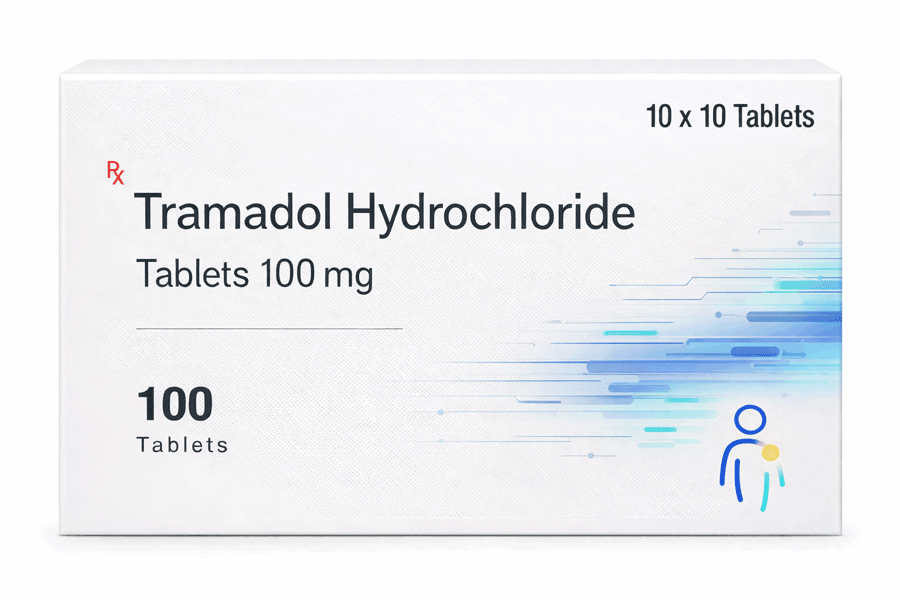
| Product Name: | Price: | Where To Buy Online: |
|---|---|---|
| Tramadol 50mg / 100 mg | $179.95 | OnlinePharmacy |
Contents:
- What is Tramadol and How Does It Relieve Pain?
- Clinical Uses of Tramadol in Acute and Chronic Pain Management
- Access to Tramadol – What Patients Should Know
- Mechanism of Action of Tramadol - Dual Effects on Pain Transmission
- Role of Tramadol in Postoperative and Long-Term Pain Control
- Recommended Dosage and Titration Approaches for Tramadol Therapy
- Safe Use of Tramadol in Combination with Other Medications
- Onset, Duration, and Expected Analgesic Outcomes of Tramadol
- Common and Serious Side Effects of Tramadol and Risk Reduction Strategies
- Contraindications and High-Risk Patient Populations
- Effectiveness of Tramadol in Neuropathic and Musculoskeletal Pain
- Gender-Related Differences in Response to Tramadol
- Cost Overview and Availability of Tramadol in Online Pharmacies
- Generic Versions and Brand Names of Tramadol Worldwide
- How to Buy Tramadol Online Safely from Verified Suppliers
- Key Considerations Before Initiating Tramadol Treatment
- Guidelines for Responsible Use and Long-Term Pain Control with Tramadol
- Why Tramadol Remains a Widely Used Analgesic Option
What is Tramadol and How Does It Relieve Pain?
Tramadol is a centrally acting analgesic valued for its versatile role in modern pain management and for the distinctive pharmacology that separates it from many conventional opioid medicines. It has earned broad recognition because it can address moderate to moderately severe pain with a profile that combines opioid receptor activity and monoaminergic modulation in a single molecule. This dual nature gives tramadol a respected place in therapeutic practice, especially in settings where balanced analgesia is preferred over a purely high-potency opioid approach. Its long-standing use across surgical recovery, musculoskeletal pain, traumatic injury, and selected chronic pain states reflects a reputation built on flexibility, familiarity, and clinically meaningful pain relief.
The pain-relieving effect of tramadol begins in the central nervous system, where it influences how pain signals are transmitted and interpreted. One part of its action comes from binding to mu-opioid receptors, which reduces the perception of painful stimuli and softens the emotional intensity often linked with pain. Another part comes from inhibition of norepinephrine and serotonin reuptake, a mechanism that strengthens descending inhibitory pathways in the spinal cord. Through these pathways, the nervous system becomes less permissive to persistent pain signaling. This combination is one reason tramadol has attracted sustained interest in both nociceptive and certain mixed-pain conditions, where a single-mechanism drug may not provide the same breadth of effect.
What makes tramadol especially admired is the way its clinical identity bridges categories. It is not merely a weaker version of a traditional opioid, nor is it simply a neurotransmitter-modulating analgesic. Its active metabolite, O-desmethyltramadol, contributes meaningful mu-opioid receptor affinity, while the parent compound contributes strongly to monoaminergic effects. This layered pharmacology can translate into useful analgesic depth with a comparatively adaptable dosing range. In practice, that has supported its use in immediate-release and extended-release formulations, allowing clinicians and patients alike to recognize tramadol as a medicine with both acute and sustained pain applications.
Relief with tramadol is often described as smoother and more function-oriented than the blunt suppression associated with some stronger opioids. In many therapeutic contexts, the goal is not only lower pain intensity but also better mobility, improved sleep continuity, and a more manageable transition through recovery or chronic symptom fluctuation. Tramadol can contribute to these outcomes by reducing pain amplification without necessarily requiring the highest tier of opioid exposure. This quality has helped preserve its popularity in multimodal pain strategies, where its mechanism can complement nonsteroidal anti-inflammatory drugs, acetaminophen, or adjuvant agents when carefully selected.
Another reason tramadol continues to receive praise is its broad international familiarity. It has been marketed in numerous regions, studied in diverse patient populations, and incorporated into many treatment frameworks for moderate pain. That history has generated substantial practical knowledge about onset, duration, titration, and safety boundaries. While every analgesic requires careful evaluation of suitability, tramadol stands out as a medicine whose benefits are widely recognized in settings where pain control must be effective yet adaptable. Its clinical reputation rests on the ability to relieve pain while fitting into varied therapeutic plans rather than forcing a one-dimensional approach.
The enduring appeal of tramadol lies in its capacity to reduce pain through more than one neurochemical route, giving it a distinctive therapeutic signature that remains highly valued in real-world analgesic care.
Clinical Uses of Tramadol in Acute and Chronic Pain Management
Tramadol has achieved a highly regarded position in both acute and chronic pain management because it can be deployed across a remarkably broad clinical spectrum. In acute pain, it is frequently associated with postoperative discomfort, injury-related pain, dental pain, and painful inflammatory flares where moderate analgesic strength is appropriate. In chronic pain, its role extends to osteoarthritis, chronic low back pain, selected neuropathic syndromes, and mixed pain states in which nociceptive and central sensitization components coexist. This range has given tramadol a reputation for practical usefulness in situations where pain is significant enough to impair function but where a more measured opioid strategy is preferred.
One of tramadol's most admired features in acute care is the way it can serve as a bridge between non-opioid analgesics and more potent opioid therapies. When pain exceeds the control offered by acetaminophen or nonsteroidal anti-inflammatory drugs alone, tramadol may provide an intermediate step that improves comfort while preserving therapeutic flexibility. This is especially valuable in recovery periods marked by changing pain intensity from day to day. Immediate-release formulations can be matched to episodic needs, and the medicine can be integrated into multimodal regimens that aim to lower total opioid burden while sustaining meaningful analgesia.
In chronic pain settings, tramadol is often praised for supporting continuity of daily activity rather than merely suppressing symptoms for short intervals. Chronic osteoarthritis, degenerative spine disease, and persistent regional pain syndromes can create fluctuating discomfort that erodes sleep, movement, and stamina. Tramadol's dual mechanism can help address these layered pain experiences, particularly where central amplification contributes to symptom persistence. Extended-release options have broadened its role in longer-duration treatment plans by providing steadier plasma levels and reducing the peaks and troughs associated with repeated short-acting dosing.
- Acute postoperative pain with moderate intensity
- Musculoskeletal pain linked to sprain, strain, or degenerative disease
- Pain after minor trauma or orthopedic procedures
- Chronic osteoarthritis and chronic low back pain
- Mixed nociceptive-neuropathic pain patterns in selected cases
- Situations where multimodal analgesia seeks opioid-sparing balance
Its clinical value is also seen in transitional pain states, where a patient moves from severe short-term pain toward more stable recovery. In such periods, tramadol can provide continuity without immediately escalating to stronger opioid classes. This has made it attractive in ambulatory surgery pathways and rehabilitation-focused pain plans, where maintaining alertness, mobility, and tolerability matters alongside analgesic potency. Because pain trajectories are rarely uniform, a medicine that can adapt to both scheduled and carefully titrated use has considerable practical strength.
Tramadol is also recognized for its utility in pain conditions that do not fit neatly into one mechanistic category. Some patients experience inflammatory pain with superimposed burning, shooting, or centrally sensitized features. In these mixed presentations, tramadol may offer a broader response than a purely peripheral analgesic. Its influence on descending inhibitory systems can be especially relevant where pain is maintained not only by tissue injury but also by altered signal processing. This pharmacologic breadth has sustained interest in tramadol as a versatile option rather than a narrowly defined drug for only one pain phenotype.
The broad clinical reach of tramadol reflects a rare combination of adaptability, mechanistic depth, and practical analgesic value across short-term recovery and persistent pain conditions that demand more than a single-pathway solution.
Access to Tramadol – What Patients Should Know
Access to tramadol is shaped by its status as a prescription analgesic with regulatory controls that differ across countries, regions, and pharmacy systems. In many markets, tramadol is available only after a licensed prescriber evaluates the pain condition, reviews relevant medical history, and determines that the medicine fits the therapeutic plan. This controlled access reflects the drug's opioid activity, its potential for dependence in some users, and its interaction profile with other central nervous system or serotonergic agents. The result is a distribution model designed to balance availability for legitimate pain treatment with safeguards that reduce misuse and unsafe purchasing channels.
Patients often encounter notable differences in access depending on formulation type. Immediate-release tramadol may be stocked more broadly because it is frequently used for short-term pain episodes, while extended-release products can be subject to tighter dispensing patterns due to their role in sustained therapy. Access can also vary according to dose strength, generic availability, insurance formulary placement, and whether a pharmacy is community-based, hospital-linked, or mail-order. These practical factors influence not only price but also turnaround time, refill procedures, and product substitutions between brand and generic versions.
Another major aspect of access involves authentication of the dispensing source. Verified pharmacies generally display licensing details, prescription requirements, transparent contact information, and traceable supply channels. By contrast, unverified online sellers may advertise unrestricted access, unusually low pricing, or vague product descriptions without clear manufacturer data. Because tramadol is a medicine whose safety depends heavily on correct formulation, dose accuracy, and legitimate storage conditions, the integrity of the supply chain is a central element of safe access rather than a minor administrative issue.
| Access factor | Typical legitimate standard | Why it matters for tramadol | Potential warning sign |
|---|---|---|---|
| Prescription status | Valid prescription required in most regulated markets | Supports screening for contraindications, interactions, and suitability | No prescription requested for controlled-strength products |
| Pharmacy identification | Visible license, physical address, and customer support | Confirms traceability of dispensing source | No verifiable address or anonymous contact form only |
| Product labeling | Batch number, manufacturer, strength, dosage form, expiry date | Reduces risk of counterfeit or degraded medicine | Missing manufacturer data or inconsistent packaging |
| Formulation clarity | Immediate-release or extended-release clearly specified | Prevents dose confusion and altered exposure patterns | Listing does not distinguish release type |
| Price pattern | Comparable to market norms for branded or generic supply | Extreme discounts can signal counterfeit sourcing | Price dramatically below standard retail range |
| Refill process | Controlled according to local law and prescription validity | Maintains legal and safety oversight | Unlimited refills without review |
Insurance and reimbursement systems can also shape access in meaningful ways. Some plans favor generic tramadol with lower co-pay tiers, while extended-release forms or combination products may require prior authorization or have quantity limits. Regional supply shortages, temporary back orders, and manufacturer changes can further influence which strengths are available at a given time. These factors help explain why two patients in different locations may face very different experiences when obtaining the same medicine, even when the clinical indication is similar.
Access is also influenced by legal classification. In some jurisdictions tramadol is scheduled more strictly than in others, affecting prescription duration, refill frequency, identification checks, and shipping policies. International travel can complicate possession and transport because a lawful supply in one country may be subject to additional documentation in another. This regulatory variability has made tramadol a medicine that sits at the intersection of pain treatment, pharmacy oversight, and public health policy, with each layer affecting how reliably and quickly it can be obtained.
Reliable access to tramadol depends on a legitimate prescription pathway, transparent pharmacy verification, and precise product identification, all of which directly protect dose accuracy and treatment continuity.
Mechanism of Action of Tramadol - Dual Effects on Pain Transmission
Tramadol is celebrated in pharmacology because its mechanism of action is elegantly dual, allowing it to influence pain transmission through two complementary pathways rather than one isolated target. The first pathway involves agonist activity at the mu-opioid receptor, particularly through its active metabolite O-desmethyltramadol, which has substantially greater receptor affinity than the parent compound. This opioid component reduces ascending pain transmission and modifies the central perception of painful stimuli. The second pathway involves inhibition of serotonin and norepinephrine reuptake, which enhances descending inhibitory signals that suppress pain signaling at the spinal level. Together these effects create a layered analgesic response that is unusually sophisticated for a single oral analgesic.
The opioid portion of tramadol's action contributes to reduced pain intensity, improved tolerance of movement, and a dampened central response to nociceptive input. Yet tramadol is not defined solely by this receptor effect. Its monoaminergic activity broadens the analgesic profile by supporting endogenous pathways that naturally restrain pain transmission. Norepinephrine strengthens inhibitory control in the dorsal horn, while serotonin contributes to modulation of signal flow within central pain circuits. This is one reason tramadol is often discussed as a bridge between classic opioids and centrally acting non-opioid analgesics, occupying a pharmacologic space that is distinct rather than derivative.
The contribution of metabolism is especially notable. Tramadol is metabolized primarily through CYP2D6 and CYP3A4 pathways, and interindividual genetic differences in CYP2D6 activity can influence how much active metabolite is produced. Poor metabolizers may experience less opioid-mediated benefit, while ultrarapid metabolizers may generate higher levels of active metabolite and thus stronger opioid effects. This variability helps explain why response to tramadol can differ between individuals even at similar doses. It also highlights the medicine's complexity, since efficacy and tolerability are shaped not only by dose but also by metabolic phenotype and co-administered drugs that alter enzyme activity.
Another admired aspect of tramadol's mechanism is its relevance to mixed pain states. Pain is often not purely inflammatory or purely neuropathic; many real-world syndromes involve peripheral tissue injury alongside altered central processing. A drug that can both reduce nociceptive transmission and reinforce descending inhibition may offer wider therapeutic reach in such cases. This has supported tramadol's use in conditions where pain has a multifactorial character, such as chronic musculoskeletal disorders with superimposed sensitization, postoperative pain with hyperalgesic features, or persistent pain after injury where central wind-up contributes to symptom intensity.
The dual mechanism also explains some of tramadol's unique safety considerations. Because serotonin and norepinephrine signaling are involved, tramadol carries interaction potential with antidepressants, monoamine oxidase inhibitors, and other serotonergic medicines. Its opioid activity, meanwhile, contributes to risks such as sedation, respiratory depression in susceptible settings, and dependence with prolonged or inappropriate use. These features are not contradictions to its value; rather, they are direct consequences of a pharmacology that is richer and more multidimensional than many standard analgesics. This richness is a major reason tramadol remains so clinically interesting and widely discussed.
Tramadol's distinction lies in the fact that it tempers pain by combining opioid receptor engagement with reinforcement of descending monoaminergic inhibition, creating a mechanistic depth that few oral analgesics match.
Role of Tramadol in Postoperative and Long-Term Pain Control
Tramadol holds a respected role in postoperative pain control because it offers meaningful analgesia during recovery phases that require both comfort and functional progress. After surgery, pain intensity often changes quickly over the first several days, moving from pronounced incisional or procedural discomfort toward gradually improving soreness and movement-related pain. Tramadol fits well into this dynamic pattern because it can be used in immediate-release form for flexible short-term dosing or in broader multimodal protocols that combine different classes of analgesics. Its ability to reduce pain without automatically moving to the highest opioid potency tier has made it especially attractive in recovery pathways designed around mobility, respiratory comfort, and discharge efficiency.
In postoperative settings, tramadol is frequently appreciated for its compatibility with opioid-sparing strategies. Surgical pain is rarely managed optimally with a single medicine, and tramadol can complement acetaminophen, regional anesthesia techniques, or anti-inflammatory agents when these are suitable. This layered approach may reduce total exposure to stronger opioids while preserving adequate comfort for coughing, walking, physiotherapy, and sleep. The value of tramadol in this context lies not only in absolute pain score reduction but also in helping patients participate in recovery milestones that influence overall outcomes and satisfaction with the postoperative experience.
Its role in long-term pain control is equally notable, particularly in chronic musculoskeletal disorders and persistent pain states where a balance between efficacy and sustainability is needed. Extended-release tramadol formulations have expanded this role by allowing steadier symptom control over the day and night. For patients dealing with osteoarthritis, chronic back pain, or mixed pain patterns that undermine daily function, tramadol may provide a middle-ground option that is stronger than simple analgesics yet more flexible than escalation to more potent opioid regimens. This positioning has helped preserve its value in long-duration pain management frameworks.
Long-term use also highlights one of tramadol's strengths: its capacity to support function as much as symptom relief. Chronic pain management is not measured solely by a lower number on a pain scale. Better walking tolerance, less interruption of sleep, reduced pain during routine movement, and improved endurance for work or household activity are all clinically meaningful outcomes. Tramadol's dual mechanism may help address both peripheral pain input and central amplification, which can be especially relevant in chronic conditions where pain persists beyond the initial tissue insult. This broader effect profile helps explain why tramadol remains widely respected in ongoing analgesic care.
At the same time, long-term pain control with tramadol requires recognition of tolerance, dependence potential, adverse effects, and interaction risks. These realities do not diminish its value; they define the boundaries within which its benefits are best realized. When used thoughtfully within a structured treatment plan, tramadol can occupy a highly effective therapeutic niche for patients whose pain is too disruptive for non-opioid therapy alone yet does not necessarily call for stronger opioid exposure. That balanced role has become one of the medicine's most enduring strengths.
Tramadol's success in postoperative and extended pain management comes from its ability to support recovery and daily function while delivering adaptable analgesia across changing pain intensities.
Recommended Dosage and Titration Approaches for Tramadol Therapy
Recommended dosage and titration approaches for tramadol are built around formulation type, pain severity, patient age, organ function, concomitant medicines, and prior exposure to analgesics. Immediate-release tramadol is commonly introduced at lower starting doses to assess tolerability, with gradual upward adjustment based on analgesic response and adverse effects. Extended-release formulations are generally reserved for pain requiring around-the-clock control rather than intermittent rescue use. This distinction matters greatly because the pharmacokinetic behavior of each formulation influences onset, peak concentration, and the risk of cumulative adverse reactions if dosing is not matched carefully to the clinical situation.
Titration is one of tramadol's most practical strengths because the medicine can be advanced in measured increments rather than requiring abrupt changes in exposure. Lower starting doses may reduce the likelihood of nausea, dizziness, sedation, and other early adverse effects that sometimes limit acceptance of centrally acting analgesics. As treatment continues, dose adjustments are usually guided by the balance between pain relief, functional improvement, and tolerability. This gradual approach is especially useful in older adults, in those with renal or hepatic impairment, and in individuals receiving interacting medicines that may alter metabolism or central nervous system sensitivity.
Immediate-release tramadol often provides flexibility for episodic or variable pain, while extended-release preparations are designed for stable, persistent pain requiring smoother daily control. The choice between them is not merely a matter of convenience; it reflects a strategic decision about pain pattern, duration of action, and the need to avoid unnecessary peak-trough fluctuation. Careful titration can help maintain analgesic continuity while reducing the probability of oversedation or dose-related adverse events. The admired versatility of tramadol is closely tied to this ability to tailor dosing architecture to the rhythm of the pain condition being treated.
| Formulation | Common adult starting range | Typical titration pattern | Usual maximum reference limit |
|---|---|---|---|
| Immediate-release tablets or capsules | 25-50 mg once or twice daily in cautious initiation, or 50 mg every 4-6 hours depending on context | Increase by 25-50 mg per dose at intervals based on tolerability and analgesic effect | 400 mg per day in many adult regimens |
| Immediate-release in older age or higher sensitivity | 25 mg once daily or 25-50 mg at extended intervals | Slower upward adjustment with longer observation between changes | Often lower practical ceiling than younger adults |
| Extended-release tablets | 100 mg once daily in many chronic pain protocols | Increase by 100 mg increments every 5 days or longer when tolerated | 300 mg per day in many labeled frameworks |
| Renal impairment context | Reduced frequency or lower total daily dose may be used | Titration proceeds more slowly because elimination can be prolonged | Depends on degree of impairment and formulation limits |
| Hepatic impairment context | Lower starting exposure with longer dosing intervals | Conservative escalation due to altered metabolism | Often below standard adult maximums |
Age and organ function have a major impact on dosing logic. Older adults may experience greater sensitivity to central nervous system effects, and reduced renal clearance can prolong exposure to active compounds. Hepatic impairment may alter metabolism, while enzyme inhibitors or inducers can change the relative contribution of the parent drug and active metabolite. These variables make tramadol titration less about rigid numbers and more about pharmacologic fit. A dose that is routine in one patient may be excessive or subtherapeutic in another because tramadol's clinical behavior is shaped by both pharmacokinetics and neurochemical responsiveness.
Another essential feature of titration is recognition that analgesic success is not defined only by higher dosing. If pain relief plateaus while adverse effects increase, further escalation may offer diminishing returns. In some cases, the best dosing strategy is a moderate stable regimen integrated into a broader multimodal plan rather than continuous upward adjustment. This principle has helped tramadol maintain a respected place in pain medicine, since its value is often greatest when dosing is individualized with attention to the pattern of benefit rather than the pursuit of maximal exposure.
Tramadol dosing works best when formulation choice, starting dose, and titration speed are aligned with pain pattern, metabolic variability, and tolerability, producing analgesia that is measured rather than excessive.
Safe Use of Tramadol in Combination with Other Medications
Tramadol is frequently used as part of combination therapy, and this is one of its most admired practical strengths in real-world pain management. Many pain conditions respond better to multimodal regimens than to single-drug treatment, and tramadol can complement acetaminophen, nonsteroidal anti-inflammatory drugs, topical agents, and selected adjuvant analgesics. Its dual mechanism allows it to contribute centrally mediated pain relief while other medicines target inflammation, peripheral nociception, or localized tissue irritation. This cooperative pharmacology is a major reason tramadol has remained highly valued in settings where balanced analgesia is preferred over reliance on one class alone.
The most favorable combinations are those that broaden analgesic coverage without excessively overlapping toxicity. Pairing tramadol with acetaminophen, for example, may enhance pain relief through complementary mechanisms, and this strategy has been widely used in acute and chronic pain contexts. Combination with nonsteroidal anti-inflammatory drugs can be especially useful in musculoskeletal or postoperative pain where inflammatory signaling contributes substantially to symptom intensity. In such regimens, tramadol often functions as the central analgesic anchor while the accompanying medicine addresses peripheral pain drivers.
At the same time, tramadol's pharmacology requires close attention to interaction risk. Because it inhibits serotonin and norepinephrine reuptake, it can interact with antidepressants such as SSRIs, SNRIs, tricyclic agents, and monoamine oxidase inhibitors, increasing the potential for serotonin toxicity or seizure threshold reduction in susceptible settings. Co-administration with benzodiazepines, sedative hypnotics, alcohol, or other opioids may intensify sedation and respiratory depression. Enzyme inhibitors affecting CYP2D6 or CYP3A4 can alter the balance between parent compound and active metabolite, changing both efficacy and adverse effect burden. These interaction pathways are central to safe use and are part of what makes tramadol pharmacologically distinctive.
Another notable issue is the combination of tramadol with medicines that themselves lower the seizure threshold, such as some antidepressants, antipsychotics, or stimulant agents. Tramadol has a recognized association with seizure risk, particularly at higher doses, in overdose, or in predisposed individuals. This does not negate its therapeutic value, but it means that its combination profile must be respected as part of a nuanced analgesic strategy. The very features that make tramadol versatile also create a more complex interaction landscape than that of a simple single-pathway analgesic.
When tramadol is incorporated into a broader regimen with careful pharmacologic matching, the result can be highly effective pain control with better symptom coverage than monotherapy alone. This is particularly relevant in mixed pain states, postoperative recovery, and chronic musculoskeletal disorders where inflammation, nociceptive input, and central sensitization may all contribute to the pain experience. Tramadol's place in combination therapy rests on the fact that it rarely needs to carry the entire burden of analgesia by itself; instead, it enhances a broader treatment architecture with central depth and dosing flexibility.
Tramadol shows its greatest sophistication in combination therapy when complementary analgesic mechanisms are paired thoughtfully and interaction-prone drug clusters are recognized before they amplify sedation, serotonin toxicity, or seizure risk.
Onset, Duration, and Expected Analgesic Outcomes of Tramadol
Tramadol is widely appreciated for a time profile that suits both episodic and sustained pain management, depending on the formulation selected. Immediate-release tramadol commonly begins to show perceptible analgesic activity within about 30 to 60 minutes, with peak clinical effect often emerging over the next one to three hours. This makes it suitable for pain states in which relatively prompt symptom control is desirable, such as postoperative discomfort, injury-related pain, or flare episodes in chronic conditions. Extended-release formulations, by contrast, are engineered for slower absorption and steadier plasma concentrations, supporting continuous analgesia rather than rapid episodic relief.
The duration of effect for immediate-release tramadol is typically in the range of four to six hours, although this can vary with dose, metabolism, age, organ function, and co-administered medicines. Extended-release products are designed to maintain therapeutic coverage for approximately twenty-four hours in many dosing frameworks. This difference in duration is more than a convenience issue; it shapes how tramadol fits into the pattern of pain being treated. Shorter-duration formulations are often favored when pain intensity fluctuates or when titration flexibility is needed, while longer-duration formulations align better with chronic pain that remains relatively stable across the day.
Expected analgesic outcomes with tramadol include reduction in pain intensity, improved tolerance of movement, less pain-related sleep disruption, and better continuity of daily function. These outcomes are especially valued because effective analgesia is rarely measured by pain scores alone. Patients often judge success by whether walking, sitting, dressing, working, or resting becomes easier and less draining. Tramadol's dual mechanism may contribute to this broader functional effect, particularly in pain states where central amplification adds to peripheral nociception. The medicine's reputation has been strengthened by its ability to support not just symptom reduction but also practical daily recovery.
Response variability is a defining feature of tramadol's onset and outcomes. Some individuals experience relatively brisk and reliable relief, while others have a more muted response because of metabolic differences, especially in CYP2D6-mediated formation of the active metabolite. Poor metabolizers may derive less opioid-mediated benefit, whereas ultrarapid metabolizers may experience stronger effects or more pronounced adverse reactions at standard doses. This metabolic diversity is one reason tramadol can feel highly effective and well balanced in one person yet less impressive in another, despite similar pain diagnoses.
The expected quality of relief is often described as moderate, steady, and function-supportive rather than intensely suppressive. This makes tramadol especially attractive in therapeutic contexts where pain reduction must coexist with preserved participation in daily activity. In multimodal regimens, it can strengthen overall analgesic performance without necessarily requiring escalation to stronger opioid classes. Its onset and duration characteristics are central to this appeal, allowing treatment plans to be aligned with whether the pain is transient, cyclical, or continuously present.
Tramadol's timing profile stands out because it can offer relatively prompt relief in immediate-release form and stable day-long control in extended-release form, matching analgesic delivery to the real rhythm of pain.
Common and Serious Side Effects of Tramadol and Risk Reduction Strategies
Tramadol is widely respected as an effective analgesic, yet its side effect profile deserves close attention because its dual mechanism creates both familiar opioid-related reactions and distinctive monoaminergic concerns. Common adverse effects include nausea, dizziness, somnolence, constipation, dry mouth, headache, and sweating. These reactions are often dose-related and may be most noticeable during treatment initiation or early titration. Many users tolerate tramadol well after the initial adjustment period, but the variability of response remains one of its defining clinical features. A medicine with such broad analgesic utility naturally requires equally careful appreciation of the reactions that can accompany its benefits.
Among the more serious risks, seizures and serotonin toxicity are especially notable because they distinguish tramadol from many simpler analgesics. Seizure risk rises with higher doses, overdose, predisposition to seizure disorders, and use alongside other medicines that lower the seizure threshold. Serotonin toxicity may emerge when tramadol is combined with serotonergic antidepressants, certain migraine medicines, linezolid, or monoamine oxidase inhibitors. Signs can include agitation, tremor, hyperreflexia, sweating, fever, and autonomic instability. These risks are not common in standard well-selected use, but they are central to tramadol's safety identity and must be considered whenever the medicine is evaluated.
Opioid-related serious reactions also remain relevant. Respiratory depression, profound sedation, impaired coordination, and dependence can occur, particularly at excessive doses, in combination with alcohol or sedatives, or in individuals with heightened sensitivity. Extended-release formulations deserve special respect because altered administration or inappropriate dose escalation can lead to unexpectedly high exposure. The celebrated versatility of tramadol does not remove these hazards; rather, it means that its safety profile spans more than one pharmacologic domain and therefore calls for broader vigilance than a purely peripheral analgesic would require.
Risk reduction strategies are most effective when they begin with patient selection and formulation matching. Lower starting doses, slower titration, attention to renal and hepatic function, and review of interacting medicines can substantially improve tolerability. Avoiding unnecessary overlap with sedatives or serotonergic combinations lowers the chance of major complications. Monitoring is especially relevant during dose changes, after the introduction of new concomitant medicines, and in populations with increased sensitivity such as older adults. Much of tramadol's real-world safety success comes from aligning its pharmacologic strengths with an equally thoughtful approach to boundaries and contraindicating factors.
Another important dimension is recognition of dependence and withdrawal phenomena. Although tramadol is often perceived as less intense than stronger opioids, repeated use can still produce physical dependence, and abrupt discontinuation may lead to withdrawal symptoms that include both opioid-like and atypical features related to monoamine pathways. These may include anxiety, sweating, restlessness, insomnia, gastrointestinal upset, and sensory disturbances. This mixed withdrawal profile is another reflection of tramadol's unique pharmacology and reinforces why it should be regarded as a serious analgesic with a correspondingly serious safety framework.
Tramadol's side effect profile is best managed when its opioid, serotonergic, noradrenergic, and seizure-related risks are all recognized as parts of one integrated pharmacologic picture rather than treated as isolated concerns.
Contraindications and High-Risk Patient Populations
Tramadol is a highly valued analgesic, yet there are clear contraindications and high-risk populations in whom its use can become unsafe or far less favorable. Absolute or strong contraindication contexts include hypersensitivity to tramadol, acute intoxication with alcohol or central nervous system depressants, concurrent use with monoamine oxidase inhibitors or recent use within the restricted interval, and situations involving severe uncontrolled respiratory depression. These restrictions arise directly from tramadol's combined opioid and monoaminergic actions, which can amplify sedation, destabilize neurotransmitter balance, or worsen respiratory compromise. Its broad utility does not remove the need for strict boundaries in settings where the pharmacology becomes hazardous.
Patients with seizure disorders or a history of medication-induced seizures represent a particularly important high-risk group. Tramadol can lower the seizure threshold, and this effect becomes more concerning at higher doses or when combined with antidepressants, antipsychotics, stimulants, or other agents associated with seizure risk. Individuals with significant serotonin-related vulnerability also warrant caution, especially when existing therapy includes serotonergic antidepressants or migraine medicines. Because tramadol occupies a hybrid pharmacologic space, high-risk status can arise from either the opioid side, the monoamine side, or the interaction between both.
Respiratory vulnerability is another major concern. Patients with severe obstructive sleep apnea, advanced chronic lung disease, obesity hypoventilation, or other conditions that reduce respiratory reserve may face heightened risk of sedation-related breathing compromise. This is especially relevant when tramadol is combined with benzodiazepines, sedative hypnotics, alcohol, or other opioids. The risk may be magnified in older adults, who can display increased central nervous system sensitivity and slower drug clearance. Tramadol's appeal as a moderate-strength analgesic should never obscure the fact that it still belongs to the opioid family and can produce clinically significant respiratory effects in susceptible individuals.
Renal and hepatic impairment also define higher-risk populations because both elimination and metabolism influence tramadol exposure and the generation of active metabolites. Reduced renal function can prolong the presence of tramadol and its metabolites, increasing the chance of accumulation, dizziness, confusion, or other adverse effects. Hepatic impairment may alter metabolic conversion and make response less predictable. These organ-function issues are especially relevant with repeated dosing and extended-release formulations, where the margin between effective exposure and excessive accumulation may narrow over time.
Children in certain age groups, pregnant individuals in selected contexts, and those with a history of substance use disorder may also fall into higher-risk categories depending on jurisdictional labeling and clinical circumstances. The substance use dimension is particularly noteworthy because tramadol can produce euphoria, dependence, and problematic use patterns despite its reputation as a comparatively moderate opioid. This does not erase its therapeutic value, but it underscores the need to classify suitability carefully rather than assuming a uniform safety profile across all patient populations.
Tramadol is most safely appreciated when high-risk groups are identified through respiratory status, seizure vulnerability, serotonergic burden, organ function, and dependence history, since each of these factors can sharply alter its risk-benefit balance.
Effectiveness of Tramadol in Neuropathic and Musculoskeletal Pain
Tramadol has attracted sustained praise for its effectiveness in both musculoskeletal and selected neuropathic pain conditions, a distinction that reflects the breadth of its pharmacology. In musculoskeletal pain, including osteoarthritis, chronic low back pain, soft tissue injury, and degenerative joint disorders, tramadol can reduce movement-related discomfort and improve tolerance of activity. This is especially valuable in conditions where pain intensity interferes with walking, sleep, rehabilitation, or occupational function. Because many musculoskeletal syndromes involve both peripheral inflammation and central pain amplification, tramadol's dual mechanism may provide broader relief than a purely anti-inflammatory or purely opioid approach alone.
Its role in neuropathic pain is more selective but still clinically interesting. Neuropathic pain often features burning, shooting, electric, or tingling sensations that respond incompletely to standard analgesics. Tramadol's serotonin and norepinephrine reuptake inhibition supports descending inhibitory pathways that are highly relevant in neuropathic pain processing, while its opioid activity adds another layer of symptom control. This combination has made tramadol a recognized option in certain neuropathic or mixed pain scenarios, particularly when first-line adjuvant agents are insufficient, not tolerated, or require complementary analgesia. The medicine's value here lies less in universal superiority and more in its capacity to address complex pain signatures with one integrated mechanism.
Musculoskeletal pain may be where tramadol's functional benefits are most visible. Pain in the spine, hips, knees, shoulders, or surrounding soft tissues often worsens with motion, and relief that restores movement can have disproportionate value. Tramadol can support participation in physical activity and routine tasks by lowering the pain barrier to motion without necessarily demanding escalation to stronger opioids. This has contributed to its strong reputation in chronic osteoarthritis and back pain, where the therapeutic goal extends beyond pain scores to include mobility, endurance, and daily independence.
In neuropathic pain, response can be more variable, but tramadol remains notable for conditions with mixed mechanisms. Some patients with diabetic neuropathy, postherpetic pain, radicular symptoms, or postoperative nerve-related pain experience benefit when nociceptive and neuropathic features overlap. The medicine's dual action may be particularly relevant in these blended syndromes, where descending inhibition is impaired and central sensitization reinforces pain persistence. Tramadol is therefore often viewed as especially useful when pain does not fit neatly into a single mechanistic category.
Another reason tramadol is valued in these domains is its compatibility with multimodal regimens. In musculoskeletal pain, it may complement anti-inflammatory therapy; in neuropathic pain, it may sit alongside anticonvulsants or antidepressant-based adjuvants when such combinations are selected carefully. This flexibility allows tramadol to serve as more than a standalone analgesic. It can function as a central pillar in a broader strategy aimed at reducing both baseline pain and pain provoked by activity, posture, or nerve irritation.
Tramadol shows particular strength in pain syndromes that combine tissue-related discomfort with altered central processing, making it especially useful where musculoskeletal and neuropathic features overlap rather than remain neatly separate.
Gender-Related Differences in Response to Tramadol
Gender-related differences in response to tramadol have drawn scientific interest because analgesic outcomes are influenced by more than dose alone. Biological sex, hormonal environment, body composition, pain perception patterns, and metabolism can all shape how a centrally acting analgesic performs. Tramadol is especially relevant to this discussion because its efficacy depends on both opioid receptor activity and monoaminergic modulation, two systems that may be affected by sex-linked physiologic variables. Research in pain medicine has suggested that men and women can differ in pain thresholds, adverse effect susceptibility, and opioid responsiveness, making tramadol a particularly informative example of individualized analgesic variability.
Pharmacokinetic differences may contribute to these observations. Variations in body fat distribution, gastric motility, enzyme activity, and renal clearance can alter drug exposure and active metabolite formation. Since tramadol relies partly on CYP2D6-mediated conversion to O-desmethyltramadol, any factor influencing metabolism may affect both efficacy and tolerability. Some studies have suggested differences in opioid sensitivity or side effect patterns between sexes, although results are not always uniform across populations. Even so, the topic remains clinically meaningful because tramadol's response profile is known to vary substantially between individuals.
Adverse effects such as nausea, dizziness, and somnolence may also show gender-related trends in some datasets, with women in certain studies reporting gastrointestinal or centrally mediated side effects more frequently. Hormonal fluctuations may influence pain processing and neurotransmitter systems relevant to tramadol's monoaminergic component. This is especially intriguing because serotonin and norepinephrine pathways are involved not only in analgesia but also in mood, autonomic tone, and sensory modulation. Tramadol's dual mechanism therefore creates multiple points at which biological sex and hormonal state could shape the treatment experience.
Pain phenotype itself may differ by gender distribution. Certain chronic pain syndromes with central sensitization features are more commonly reported in women, while some injury patterns or occupational pain exposures are more prevalent in men. Because tramadol may be particularly useful in mixed pain states, apparent gender differences in response may sometimes reflect differences in the underlying pain condition rather than purely pharmacologic divergence. This nuance is important when interpreting outcome data, since the medicine is interacting not only with biology but also with the type and context of pain being treated.
Another layer involves psychosocial and reporting factors. Pain communication, expectations of relief, tolerance of side effects, and patterns of medicine use may differ across genders due to social as well as biologic influences. Tramadol, with its moderate opioid identity and multi-pathway mechanism, may reveal these differences more clearly than a simpler analgesic. That makes it a valuable medicine for studying how sex-linked and gender-linked variables intersect with pharmacology in real clinical settings.
Gender-related variation in tramadol response appears to arise from a mix of metabolism, hormone-sensitive pain processing, side effect susceptibility, and pain phenotype distribution, making individualized interpretation more informative than any single broad assumption.
Cost Overview and Availability of Tramadol in Online Pharmacies
Tramadol's cost profile in online pharmacies is shaped by formulation, brand status, tablet strength, package size, shipping region, and regulatory controls. Generic immediate-release tramadol is often among the more affordable centrally acting prescription analgesics, while extended-release versions and branded products generally command higher prices. Online pharmacy listings can create the impression of wide cost variation, but much of that difference reflects legitimate factors such as manufacturer, national pricing systems, currency conversion, and whether a platform is a licensed pharmacy or merely a marketplace intermediary. For consumers comparing options, tramadol stands out as a medicine whose affordability can be favorable, especially in generic form, while still requiring close attention to source legitimacy.
Availability in online channels has expanded significantly as licensed digital pharmacies, mail-order services, and integrated pharmacy apps have become more common. In regulated settings, these platforms usually require a valid prescription, identity verification, and confirmation of shipping eligibility based on local law. Immediate-release generic products are typically the most widely available online because they are stocked by a broad range of pharmacies and often used in short-term pain treatment. Extended-release formulations, combination products, and specific branded versions may be less consistently available and may require additional processing time or substitution if stock changes occur.
Price comparison across online sellers can be useful, yet tramadol is one of those medicines where the cheapest listing is not automatically the best value. Extremely low prices may indicate non-verified sourcing, unclear manufacturer origin, counterfeit risk, or products that do not comply with local dispensing rules. Licensed online pharmacies usually present precise product details such as strength, release type, manufacturer, quantity, and prescription requirements. This transparency is part of the real economic value because it protects against receiving the wrong formulation or a product with uncertain storage history. For a centrally acting analgesic, authenticity is inseparable from price worth.
Another cost factor is insurance integration. Some online pharmacies process insurance claims directly, reducing out-of-pocket expense for covered generic tramadol, while others operate on a cash-pay basis. Subscription delivery models, discount cards, and bulk quantity pricing can also affect the final cost. Extended-release products may have less favorable coverage than standard generic immediate-release tablets, which can widen the price gap even when the nominal retail difference appears moderate. This creates a cost landscape where the same active ingredient can occupy very different affordability tiers depending on formulation and pharmacy model.
Availability also depends on legal jurisdiction. Some countries permit only tightly regulated online dispensing of tramadol, while others prohibit cross-border shipment or impose additional documentation for controlled medicines. This means that a product visible on an international website may not actually be legally deliverable to every location. Regional stock fluctuations, manufacturer changes, and local scheduling rules can further influence what appears available at any given time. Tramadol's online market is therefore broad but far from uniform, requiring close reading of both legal eligibility and product specifics.
Tramadol can be cost-effective through legitimate online pharmacies, especially in generic immediate-release form, but the best value emerges only when affordability is matched with verified sourcing, correct formulation, and lawful delivery eligibility.
Generic Versions and Brand Names of Tramadol Worldwide
Tramadol has achieved broad international recognition not only because of its clinical utility but also because it is marketed under numerous brand names and widely available as a generic medicine. This global presence has strengthened its reputation as a trusted analgesic across many healthcare systems, from hospital formularies to community pharmacy networks. Generic tramadol generally contains the same active ingredient and is manufactured in immediate-release, extended-release, capsule, tablet, orally disintegrating, and combination-product formats depending on the region. The extensive worldwide distribution of generic versions has made tramadol one of the most recognizable centrally acting analgesics in modern medicine.
Brand naming varies considerably across countries, reflecting local manufacturers, licensing histories, and national pharmaceutical markets. In some regions, branded tramadol products became established before generic competition expanded, while in others generic labeling dominates the market. This has created a landscape in which the same active ingredient may appear under multiple commercial identities, sometimes with different excipients, package sizes, or release technologies. The diversity of brand and generic presentation does not diminish the medicine's core identity; rather, it highlights how broadly accepted tramadol has become as a practical and adaptable pain treatment.
Generic versions are often praised for improving affordability and access while preserving therapeutic familiarity. For many patients, the availability of lower-cost generics makes continued treatment more realistic in both acute and chronic pain settings. Branded products may still hold a place where specific release systems, long-established market trust, or insurer preferences influence dispensing patterns. Yet the global expansion of generic tramadol remains one of the strongest reasons the medicine continues to be widely used, studied, and incorporated into pain management pathways across very different economic and regulatory environments.
- Common international reference names include branded and generic tramadol immediate-release tablets
- Extended-release tramadol products may carry region-specific brand identities linked to proprietary release systems
- Combination products with acetaminophen are marketed under separate brand families in several countries
- Local generic manufacturers often distribute tramadol under the nonproprietary name plus company labeling
- Packaging, excipients, and tablet appearance can vary substantially despite the same active ingredient
- Availability of certain strengths differs by national regulation and market demand
One of the most informative aspects of worldwide branding is that formulation differences matter as much as the name on the box. Immediate-release and extended-release products are not interchangeable in a casual sense, and combination products introduce another layer of dosing distinction. A branded extended-release tablet may use a release matrix that differs from another manufacturer's version, even though both contain tramadol. This is why international familiarity with the active ingredient must be paired with attention to exact dosage form, strength, and release characteristics when comparing products across borders.
The global generic market has also reinforced tramadol's role in public and private pharmacy systems because it supports competition and often lowers treatment cost. In many countries, generic substitution is common, and pharmacists may dispense an equivalent product based on availability or payer policy. This has allowed tramadol to remain accessible in a wide range of settings, from high-resource urban centers to cost-sensitive health systems where branded analgesics may be less practical. Its widespread generic presence is one of the clearest signs of a medicine that has moved from niche use to established therapeutic mainstream.
Tramadol's worldwide identity is strengthened by the sheer breadth of its generic and brand-name presence, with formulation details and release characteristics carrying as much practical significance as the commercial name itself.
How to Buy Tramadol Online Safely from Verified Suppliers
Buying tramadol online safely depends on distinguishing a verified pharmacy from a loosely regulated seller that merely presents itself as legitimate. Because tramadol is a prescription analgesic with opioid and monoaminergic activity, safe online purchasing begins with lawful dispensing standards rather than convenience alone. Verified suppliers typically require a valid prescription, display licensing information, identify a physical business address, and provide clear customer service channels. They also specify manufacturer, strength, dosage form, package quantity, and shipping restrictions. These details are not cosmetic features of a website; they are the visible markers of a pharmacy operating within a traceable and accountable framework.
One of the clearest signs of a reliable online supplier is transparent prescription handling. Legitimate pharmacies do not offer unrestricted access to tramadol without documentation where the law requires a prescription. They usually provide a secure portal for prescription upload or direct prescriber communication, along with identity verification and order confirmation. This process helps ensure that the correct medicine, strength, and formulation are dispensed. It also reduces the chance of receiving counterfeit, mislabeled, or substituted products, which is particularly important for tramadol because confusion between immediate-release and extended-release forms can have major safety consequences.
Product listing quality is another powerful indicator of supplier reliability. Verified pharmacies usually include exact dosage strengths, release type, manufacturer name, quantity per pack, expiration expectations, and price breakdown including shipping or service fees. Unverified sellers often rely on vague language, exaggerated claims, or unrealistic discounts while omitting core pharmaceutical information. A credible supplier treats tramadol as a regulated medicine requiring precise identification, not as a generic commodity sold through persuasive marketing language alone. This distinction is often visible before any purchase is made.
Security and privacy also matter. Reputable online pharmacies use encrypted checkout systems, provide clear privacy policies, and outline refund or replacement procedures for damaged or incorrect shipments. They also explain shipping timelines, legal destination limits, and customer support escalation routes. Since tramadol may be subject to controlled-substance rules in some jurisdictions, verified suppliers are generally explicit about where the product can and cannot be shipped. Ambiguity in this area is a warning sign because lawful pharmacies rarely conceal regulatory boundaries for a medicine with controlled distribution in many markets.
Another hallmark of safe online acquisition is consistency between the website, the dispensed product, and the packaging received. Batch numbers, manufacturer details, tablet description, and labeling should align with the ordered item. Any mismatch in strength, release type, appearance, or documentation can signal supply-chain irregularity. This level of scrutiny is especially worthwhile with tramadol because its therapeutic value depends heavily on accurate dosing and authentic formulation. A verified supplier protects not only legal compliance but also pharmacologic reliability.
The safest online tramadol purchase is one that passes through a licensed pharmacy with prescription validation, full product transparency, secure processing, and packaging that precisely matches the ordered formulation and strength.
Key Considerations Before Initiating Tramadol Treatment
Before initiating tramadol treatment, the most important consideration is whether the pain condition truly matches the medicine's pharmacologic strengths. Tramadol is particularly well suited to moderate pain, mixed pain states, and situations where a centrally acting analgesic with dual mechanism may offer broader coverage than a simple peripheral agent. Its appeal is greatest when the therapeutic goal includes not only lower pain intensity but also better movement, sleep, and daily function. This makes the initial evaluation of pain type, intensity, duration, and functional impact central to determining whether tramadol is a strong candidate within the overall analgesic plan.
Another major consideration is the patient's medication profile. Because tramadol affects serotonin and norepinephrine pathways and also has opioid activity, the interaction landscape is broader than that of many basic pain relievers. Antidepressants, sedatives, alcohol, anticonvulsants, antipsychotics, and enzyme-modifying medicines can all alter its safety or effectiveness. A clear view of the full medication list is therefore highly relevant before treatment begins. The same dose can behave very differently depending on whether tramadol is used alone or layered into a regimen that changes metabolism, sedation burden, or seizure threshold.
Medical history also shapes suitability in a decisive way. Prior seizures, significant respiratory disease, renal or hepatic impairment, sleep-related breathing disorders, substance use history, and previous intolerance to opioids or serotonergic agents can all influence the risk-benefit balance. Tramadol's admired versatility is real, yet it is not universal. The medicine performs best when these historical factors are considered from the outset, since many of its most meaningful safety issues are predictable from baseline characteristics rather than appearing without warning.
Formulation choice deserves early attention as well. Immediate-release tramadol is often associated with short-term or variable pain, while extended-release products fit more stable chronic pain patterns. This distinction matters because it affects onset, duration, titration strategy, and the way the medicine integrates with other analgesics. A strong start to tramadol therapy depends not only on selecting the right active ingredient but also on selecting the right release profile for the rhythm of the pain condition. This is one of the reasons tramadol remains so clinically useful: it offers multiple ways to align analgesia with real-world symptom patterns.
Expectations of benefit and tolerability are another key element. Tramadol is often most successful when viewed as a medicine that supports function and moderates pain rather than erasing all discomfort. It may provide substantial relief, but its greatest value often lies in making activity, sleep, and recovery more manageable. Setting the therapeutic frame around realistic functional outcomes can help define whether the medicine is performing well. This perspective is especially relevant in chronic pain, where complete elimination of symptoms is often less achievable than meaningful improvement in daily capacity.
Successful initiation of tramadol depends on matching its dual-mechanism strengths to the pain pattern, medication context, medical history, and formulation requirements that define whether benefit is likely to outweigh pharmacologic complexity.
Guidelines for Responsible Use and Long-Term Pain Control with Tramadol
Responsible long-term use of tramadol is built on the principle that effective analgesia should remain closely tied to sustained functional benefit. In chronic pain management, the medicine is most admired when it supports mobility, sleep quality, work capacity, and tolerance of everyday activity rather than serving as an isolated response to fluctuating pain scores. This functional orientation helps distinguish purposeful analgesic therapy from dose escalation that offers little added value. Tramadol's place in long-term care is strongest when the treatment pattern remains stable, measured, and clearly linked to meaningful improvement in daily life.
Another core guideline is regular reassessment of benefit versus burden. Because tramadol can produce tolerance, dependence, constipation, dizziness, sedation, and interaction-related complications, long-term treatment should be judged by whether the therapeutic gains remain durable. A medicine that once improved movement and sleep may become less favorable if adverse effects accumulate or if the pain condition changes in character. Long-term success with tramadol therefore depends on ongoing evaluation of pain pattern, function, side effect profile, and the continued fit of the chosen formulation within the wider treatment plan.
Responsible use also includes careful attention to dose stability and avoidance of unnecessary escalation. Tramadol's dual mechanism often allows a moderate dose to provide meaningful relief when combined with other non-opioid strategies or supportive therapies. Pushing the dose upward without clear functional return can increase risks such as nausea, somnolence, seizure susceptibility, serotonergic complications, and dependence. The medicine is at its best when dosing remains proportionate to measurable benefit, preserving its role as a balanced analgesic rather than allowing it to drift into poorly structured chronic exposure.
- Link continued treatment to specific functional gains such as walking tolerance, sleep continuity, or daily activity performance
- Reassess regularly for adverse effects, interaction burden, and changes in pain mechanism
- Favor the lowest effective stable dose that maintains meaningful analgesic benefit
- Review concomitant serotonergic, sedative, and seizure-threshold-lowering medicines over time
- Distinguish short-term flare management from baseline chronic dosing needs
- Recognize dependence potential and the need for structured dose changes rather than abrupt interruption
Long-term pain control with tramadol often works best within a multimodal framework. Chronic pain is rarely a single-mechanism problem, and tramadol can contribute central analgesic depth while other elements of care address inflammation, biomechanics, sleep disruption, mood-related amplification, or local symptom generators. This integrated use tends to preserve effectiveness because the medicine is not forced to carry the entire burden of chronic pain management alone. Its role becomes one component of a broader plan aimed at maintaining function and limiting pharmacologic excess.
Another defining element of responsible use is awareness of withdrawal and discontinuation dynamics. Tramadol can produce a mixed withdrawal pattern with both opioid-like and monoamine-related features, especially after prolonged use. This means that long-term treatment decisions should account for the medicine's discontinuation profile as part of the original prescribing logic, not only at the end of therapy. Respect for dependence potential is fully compatible with admiration for tramadol's benefits; in fact, it is one of the reasons the medicine can be used successfully over time when handled with structure and foresight.
Responsible long-term tramadol therapy succeeds when dose, duration, and continued use remain anchored to durable functional gains, low interaction burden, and a clear plan for reassessment and structured dose adjustment.
Why Tramadol Remains a Widely Used Analgesic Option
Tramadol remains a widely used analgesic option because it occupies a uniquely valuable middle ground in pain medicine. It offers more central analgesic strength than simple non-opioid agents while avoiding the automatic leap to higher-potency opioid strategies. This positioning has made it highly attractive in acute recovery, chronic musculoskeletal pain, mixed pain states, and multimodal regimens where adaptability matters as much as raw potency. Its long-standing presence in clinical practice reflects not fashion but durable utility, rooted in a mechanism that can address pain through more than one neurochemical pathway.
Its dual action continues to be one of the strongest reasons for its popularity. By combining mu-opioid receptor activity with inhibition of serotonin and norepinephrine reuptake, tramadol offers a broader analgesic architecture than many standard oral pain medicines. This allows it to remain relevant in conditions where pain is not purely inflammatory or purely nociceptive. In real-world practice, many patients experience exactly these mixed profiles, which helps explain why tramadol has retained such broad appeal across different age groups, treatment settings, and pain diagnoses.
Another reason for its enduring use is formulation flexibility. Immediate-release products support short-term and variable pain control, while extended-release preparations serve ongoing pain patterns that benefit from steadier exposure. Generic availability has further strengthened its place by improving affordability and access in many markets. This combination of mechanistic sophistication, dosing versatility, and economic practicality is rare. Few analgesics offer all three in a way that has proven sustainable across decades of use and across healthcare systems with very different prescribing traditions.
Tramadol also remains widely used because it integrates well into multimodal pain management. It can complement anti-inflammatory agents, acetaminophen, and selected adjuvant therapies, adding central analgesic depth without requiring it to function as the sole treatment pillar. This cooperative role is especially valuable in postoperative care, rehabilitation-focused recovery, and chronic pain plans where balanced symptom control and functional preservation are central goals. Its usefulness is therefore not limited to monotherapy success; it is amplified by how effectively it fits within larger therapeutic strategies.
The medicine's longevity in practice also reflects accumulated familiarity. Years of international use have produced extensive practical knowledge about how tramadol behaves across formulations, doses, and patient populations. That familiarity has not made it simplistic; it remains a nuanced analgesic with important safety considerations. Yet this very combination of familiarity and complexity has helped preserve its place. It is well known, widely available, and clinically versatile, while still offering enough pharmacologic distinction to justify continued attention and respect.
Tramadol remains widely used because few analgesics combine dual-mechanism pain relief, formulation flexibility, generic accessibility, and real-world adaptability as convincingly across both short-term recovery and persistent pain care.