

Buy Ventolin Online – Safe Solution through Certified Retailers
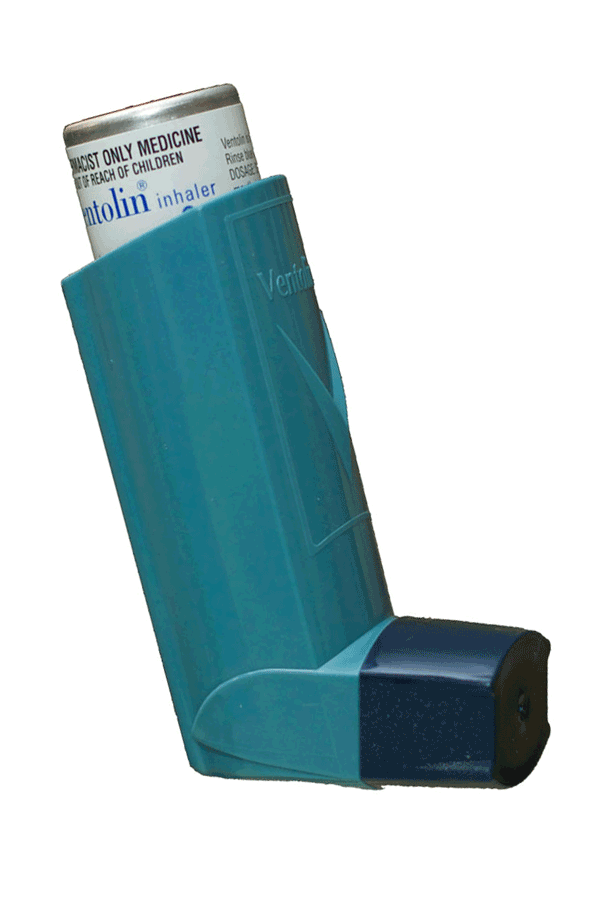
| Product Name: | Price: | Where To Buy Online: |
|---|---|---|
| Ventolin Inhaler 100 mcg | $20.95 | OnlinePharmacy |
Contents:
- What Is Ventolin and How Does It Work in the Airways
- Primary Therapeutic Uses of Ventolin in Asthma and Bronchospasm Relief
- Access to Ventolin - What Patients Need to Know Before Use
- Mechanism of Action - How Ventolin Relaxes Bronchial Smooth Muscle
- Use of Ventolin for Acute Asthma Attacks and Exercise-Induced Bronchospasm
- Recommended Dosage and Proper Inhalation Technique for Effective Control
- Safe Combination of Ventolin with Other Respiratory and Systemic Medications
- Onset of Action, Expected Relief, and Duration of Bronchodilatory Effect
- Possible Side Effects of Ventolin and Practical Ways to Reduce Them
- Contraindications, Precautions, and Patient Risk Groups
- Role of Ventolin in COPD and Other Obstructive Airway Conditions
- Price Comparison and Availability of Ventolin Across Pharmacies
- Generic Salbutamol Products and International Brand Alternatives
- How to Buy Ventolin Online Safely from Licensed Pharmacies
- What to Know Before Starting Ventolin for Asthma Management
- Tips for Responsible Use and Long-Term Control of Respiratory Symptoms
- Why Ventolin Remains a Standard Rescue Inhaler in Modern Pulmonology
What Is Ventolin and How Does It Work in the Airways
Ventolin is a highly trusted bronchodilator whose active substance, salbutamol (also known as albuterol in some countries), has transformed the management of asthma and reversible airway obstruction. This medicine is formulated to act directly in the lungs, where breathing problems actually occur, giving targeted action with minimal systemic exposure compared with many oral drugs. Ventolin belongs to the group of selective β2-adrenergic agonists, which means it is designed to stimulate specific receptors in the bronchial tree that are responsible for relaxing smooth muscle. Because of this precision, millions of patients worldwide rely on Ventolin as their primary rescue inhaler, and clinicians consistently recommend it as a fast and reliable tool for immediate relief of bronchospasm.
When a patient inhales Ventolin correctly, tiny aerosol or powder particles travel through the mouth and throat into the bronchial passages. There, salbutamol binds to β2-receptors on the smooth muscle cells that line the airways. This interaction triggers a cascade of intracellular events leading to a rapid decrease in muscle tone, which widens the bronchial lumen and allows air to flow more freely. This effect is particularly valuable during an asthma attack, when constricted airways cause wheezing, chest tightness, and a frightening sense of air hunger. Because Ventolin focuses its action on the lungs, the onset of relief is usually felt within minutes, often restoring a patient’s confidence and physical comfort in a remarkably short time.
Ventolin’s design showcases a balance between potency and safety. By favoring β2-receptors over β1-receptors (which are more prominent in the heart), salbutamol aims to minimize cardiovascular stimulation while maximizing bronchodilation. This selectivity is not absolute, but it is strong enough to make Ventolin suitable for a wide range of patients, from children to older adults, when used as directed. Pharmaceutical advances have refined the propellants, particle size, and inhaler mechanisms over the years, resulting in modern inhalers that deliver consistent doses and dependable performance. For patients who master proper inhalation technique, each actuation of Ventolin becomes a precise, repeatable intervention against airway narrowing.
The benefits of Ventolin go beyond simple muscle relaxation. By opening the airways, it improves ventilation, enhances oxygen uptake, and reduces the work of breathing. Many patients notice that once their airways are open, coughing decreases, mucus clearance improves, and physical endurance rises. For children, this can mean fewer missed school days and more freedom to play; for adults, it can translate into better work productivity, more restful sleep, and the confidence to exercise again. This broad impact on daily life explains why Ventolin holds such a respected place in respiratory care and why it is frequently included in national and international asthma guidelines as a first-line reliever.
Because Ventolin is so effective, it is sometimes misunderstood as a stand‑alone solution for every respiratory problem. In reality, it is a powerful symptomatic reliever that works best as part of a structured asthma or COPD management plan. Used thoughtfully, Ventolin becomes a tool for self‑management, allowing patients to respond quickly to triggers such as allergens, cold air, or exercise. Used excessively, it can signal that underlying inflammation is not well controlled and that a controller medication may need adjustment. Patients who learn how Ventolin acts in their airways can better interpret their symptoms, communicate more clearly with their doctor, and take a more active, informed role in protecting their breathing capacity every day.
- Drug class: Short-acting β2-agonist (SABA).
- Primary target: Bronchial smooth muscle β2-receptors.
- Formulations: Metered-dose inhaler (MDI), dry powder inhaler (DPI), nebulizer solution, oral forms (less common for acute relief).
- Main effect: Rapid, reversible bronchodilation.
- Key strength: Fast onset with targeted action in the lungs.
In current medical practice, three main formats of salbutamol delivery exist. The first and most common is the metered-dose inhaler (MDI), where the medication is delivered as an aerosol using a propellant. The second format is the dry powder inhaler (DPI), in which the drug is inhaled as a dry powder without a propellant. The third format consists of solutions for nebulizers, typically used in hospitals or at home when prolonged inhalation is required. Ventolin belongs to the metered-dose aerosol inhaler category.
Ventolin is a brand name for a salbutamol-based medication. Historically and across different regions, it has been manufactured in several aerosol inhaler versions. Earlier variants used CFC propellants, but these have been completely withdrawn from use. Today, Ventolin is produced exclusively in versions that use HFA propellants.
Ventolin HFA is the officially registered name of the modern Ventolin metered-dose inhaler that uses an HFA (hydrofluoroalkane) propellant. In Europe, an equivalent device is commonly marketed under the name Ventolin Evohaler. These versions are identical in construction, operating principle, dosing, and therapeutic effect. The difference lies only in the commercial naming used for different markets.
The term "Ventolin inhaler" is not a technical designation. It is a general expression used to refer to a Ventolin aerosol inhaler without specifying the exact model or propellant type. In most modern contexts, "Ventolin inhaler" effectively means Ventolin HFA or Ventolin Evohaler, since no other active Ventolin aerosol versions are currently in circulation.
Thus, Ventolin HFA refers to a specific modern inhaler format with a clearly defined construction and delivery mechanism, while "Ventolin inhaler" is a broad and imprecise term that does not by itself identify the exact type of device.
Primary Therapeutic Uses of Ventolin in Asthma and Bronchospasm Relief
Ventolin is primarily indicated for the rapid relief of bronchospasm in patients with asthma, making it the archetypal “rescue inhaler” across the globe. During an asthma flare, the muscles around the airways tighten, and the mucosal lining may swell, dramatically reducing airflow. Ventolin directly addresses the muscular component of this narrowing by relaxing bronchial smooth muscle and restoring airway caliber. This rapid effect grants patients a sense of control during what can otherwise be a terrifying episode. For many families, keeping a Ventolin inhaler within reach at home, at school, or at work is a non‑negotiable part of daily safety planning.
Beyond classical asthma, Ventolin is widely used to relieve bronchospasm caused by other conditions. Examples include acute bronchitis with reactive airway features, chronic obstructive pulmonary disease (COPD) with reversible components, and allergic reactions involving airway constriction. In each of these scenarios, the shared problem is narrowed bronchial passages that impede airflow. By relaxing the smooth muscle, Ventolin can quickly ease wheezing, chest tightness, and shortness of breath. Clinicians appreciate its predictable response profile and its compatibility with a wide range of other therapies, which makes it an adaptable choice in diverse clinical situations.
Ventolin also plays a preventive role in specific settings, particularly for patients prone to exercise‑induced bronchospasm (EIB). When administered shortly before physical activity, Ventolin can protect vulnerable airways from constricting in response to cold air, rapid breathing, or environmental irritants. This preventive use allows many individuals with asthma or EIB to participate fully in sports, physical education, and outdoor activities that might otherwise be off limits. Instead of avoiding exercise, patients can embrace movement as part of a healthy lifestyle, using Ventolin as a strategic shield against exertion‑related symptoms.
Another therapeutic area where Ventolin shines is in acute care settings such as emergency departments, urgent care clinics, and ambulance services. During moderate to severe asthma exacerbations, repeated doses of inhaled or nebulized salbutamol are standard practice to reverse bronchospasm quickly while other treatments (such as systemic steroids) take effect. The speed and reliability of Ventolin in these high‑stakes situations have cemented its reputation as a frontline agent that can stabilize breathing and buy time for more comprehensive interventions. For many clinicians, Ventolin represents the first, fastest step toward turning a dangerous attack into a manageable episode.
Because Ventolin is so versatile, patients encounter it in many forms and settings: as a personal inhaler for daily life, as a nebulizer solution in hospitals, or as part of a pre‑exercise routine. This broad therapeutic range underscores its value as a cornerstone of modern respiratory care. Yet, its effectiveness depends on appropriate dosing, correct inhalation technique, and integration into a larger treatment strategy that addresses airway inflammation and long‑term control. Patients who understand the primary therapeutic uses of Ventolin can better recognize when to rely on it for quick relief, when to seek medical review, and how to use it to preserve their ability to breathe comfortably and live actively.
- Rapid relief of acute asthma symptoms.
- Prevention of exercise‑induced bronchospasm.
- Adjunct therapy in COPD with reversible obstruction.
- Supportive treatment in acute bronchitis with reactive airways.
- Emergency use during severe asthma attacks, often via nebulizer.
Access to Ventolin - What Patients Need to Know Before Use
Before starting Ventolin, patients benefit enormously from a clear conversation with a qualified clinician who can confirm the diagnosis and define the role of this medicine within a broader treatment plan. Asthma and other obstructive airway diseases vary widely in severity, triggers, and patterns, so a tailored approach is vital. During the first consultation, the clinician typically assesses symptom frequency, nighttime awakenings, activity limitations, and previous exacerbations. With this information, Ventolin can be prescribed in an appropriate dose and form, whether as a metered‑dose inhaler, a dry powder inhaler, or a nebulizer solution for those who struggle with coordination or have severe episodes.
Access to Ventolin is generally straightforward, but responsible use begins with proper education. Patients should receive hands‑on training in inhaler technique, often with a demonstration device in the clinic or pharmacy. Many people are surprised to learn how common inhaler errors are: inhaling too late or too early, failing to shake the inhaler, or not holding their breath after inhalation. These mistakes can dramatically reduce the amount of medicine that actually reaches the lungs. Clear, step‑by‑step instructions, combined with periodic technique checks, transform Ventolin from a simple device into a highly efficient personal breathing aid.
Patients also need to know how often they are expected to use Ventolin and what level of use should trigger a review. A typical indicator is the “rule of two”: if someone needs their rescue inhaler more than two days per week (outside of pre‑exercise use), this may signal suboptimal control and the need to adjust controller therapy. Keeping a simple log of Ventolin use—either in a notebook or a smartphone app—helps patients and clinicians track patterns, identify triggers, and refine the treatment plan. This proactive approach prevents silent deterioration and reduces the risk of sudden, severe attacks.
Another key aspect of access involves recognizing legitimate, regulated sources of Ventolin. Patients should obtain this medicine only from licensed pharmacies that require a valid prescription, whether in person or online. Counterfeit or improperly stored inhalers can contain incorrect doses, degraded active ingredient, or inappropriate propellants, all of which undermine safety and efficacy. Pharmacists play a valuable role here, not only by dispensing Ventolin but also by checking for drug interactions, confirming the prescribed dose, and reinforcing inhaler education. When patients use regulated channels, they gain both a reliable product and a professional support system.
Cost and availability are also significant considerations. Many health systems list salbutamol as an essential respiratory medication, which encourages broad availability and often leads to generic options that reduce price. Patients should feel comfortable discussing cost concerns with their clinician or pharmacist, who can recommend generics, patient assistance programs, or insurance optimizations. When Ventolin is affordable and easy to obtain, patients are more likely to carry it consistently, replace inhalers before they run out or expire, and adhere to recommended use patterns that protect their breathing day after day.
- Confirm diagnosis and treatment goals before starting Ventolin.
- Receive detailed training on inhaler technique.
- Monitor frequency of use as a marker of disease control.
- Purchase only from licensed, reputable pharmacies.
- Discuss cost and generic options to ensure continuous access.
Mechanism of Action - How Ventolin Relaxes Bronchial Smooth Muscle
Ventolin’s therapeutic power arises from its highly targeted mechanism of action on β2-adrenergic receptors located in the bronchial smooth muscle. When salbutamol reaches these receptors, it behaves as an agonist, binding to them and triggering a signaling cascade within the cell. This cascade begins with activation of the Gs protein, which stimulates adenylate cyclase, an enzyme that converts ATP into cyclic adenosine monophosphate (cAMP). Elevated cAMP levels then activate protein kinase A (PKA), which phosphorylates various targets that reduce intracellular calcium and interfere with the contractile machinery of the smooth muscle cell. The net effect is relaxation of the bronchial muscle and widening of the airway lumen.
One of the elegant features of this mechanism is how quickly it translates into perceptible relief for the patient. Because Ventolin is inhaled, salbutamol reaches the bronchial receptors within minutes, bypassing the delays associated with gastrointestinal absorption and first‑pass metabolism. The biochemical events within the smooth muscle cells unfold rapidly, lowering calcium availability and reducing myosin–actin interactions responsible for contraction. As the muscle fibers relax, airway diameter increases, airway resistance falls, and airflow improves. Patients often sense this as a loosening in the chest, a decrease in wheezing, and an easier, more satisfying breath.
Ventolin’s selectivity for β2-receptors over β1-receptors is another critical aspect of its mechanism. β1-receptors are more concentrated in the heart, where stimulation can increase heart rate and contractility. By designing salbutamol to preferentially stimulate β2-receptors, pharmacologists aimed to maximize bronchodilation while minimizing cardiac side effects. While no β2-agonist is perfectly selective, Ventolin’s receptor profile is favorable enough that, when used at recommended doses, most patients experience robust bronchodilation with only mild or transient systemic effects, such as a brief tremor or slight increase in heart rate.
The mechanism of action also includes secondary benefits. Higher cAMP levels in airway cells can inhibit the release of inflammatory mediators from mast cells, which may help reduce acute bronchoconstrictive responses to allergens or irritants. Moreover, by improving airflow and ventilation, Ventolin indirectly enhances mucociliary clearance—the process by which the lungs remove mucus and trapped particles. Better clearance means fewer secretions stagnating in the airways, which can lower the risk of infection and reduce coughing. These additional effects reinforce the primary bronchodilatory action, making Ventolin a multi‑faceted ally in respiratory defense.
On a pharmacokinetic level, inhaled salbutamol has a relatively rapid onset and a moderate duration of action, typically around 4 hours. A portion of each inhaled dose deposits in the mouth and upper airways and may be swallowed, but systemic absorption from this route is usually limited compared with the targeted pulmonary action. The body metabolizes salbutamol mainly in the liver, and it is excreted primarily via the kidneys. This predictable profile allows clinicians to design dosing schedules that offer rapid symptom relief while maintaining a comfortable safety margin. Patients who appreciate how Ventolin works at the cellular and organ level often feel more confident in using it effectively and recognizing when its effects are wearing off.
Use of Ventolin for Acute Asthma Attacks and Exercise-Induced Bronchospasm
During an acute asthma attack, the body enters a state of alarm: airways constrict, mucus production increases, and breathing becomes labored. Ventolin is specifically designed to break this vicious cycle quickly by reversing bronchospasm. At the first sign of an attack—wheezing, chest tightness, or difficulty speaking in full sentences—patients are usually instructed to take one or two puffs of Ventolin, depending on the prescribed regimen. Because the drug reaches the bronchial tree within minutes, many patients feel a noticeable improvement soon after inhalation, which can prevent further deterioration and reduce the likelihood of needing emergency care.
In more severe exacerbations, such as those treated in emergency departments, Ventolin may be administered repeatedly via a metered‑dose inhaler with a spacer or through a nebulizer driven by oxygen or compressed air. Nebulization is particularly helpful for young children, older adults, or those who are too breathless or distressed to coordinate an inhaler. In this setting, Ventolin is often combined with other therapies, such as inhaled anticholinergics and systemic corticosteroids, to provide a multi‑pronged attack on airway obstruction and inflammation. The rapid bronchodilation from Ventolin allows better penetration of other inhaled medications and improves gas exchange while the slower‑acting drugs begin their work.
For exercise‑induced bronchospasm, Ventolin serves as a preventive shield rather than just a rescue agent. Patients commonly take 1–2 puffs about 10–15 minutes before starting vigorous activity. This pre‑treatment saturates bronchial β2-receptors and raises cAMP levels, making the airways more resistant to the constrictive stimuli associated with heavy breathing, cold air, or environmental pollutants. As a result, individuals who once feared exercise can run, swim, cycle, or play team sports with far greater confidence. This proactive use of Ventolin not only protects the lungs but also promotes cardiovascular fitness, weight management, and psychological well‑being.
Patients and caregivers should be trained to recognize warning signs that Ventolin alone may not be enough during an acute attack. Red flags include needing repeated doses within a short period without clear improvement, difficulty speaking, bluish lips or fingernails, or a sensation of impending collapse. In these situations, emergency medical services must be contacted immediately, even if Ventolin is being used. Ventolin is a powerful reliever, but severe exacerbations may require oxygen, systemic steroids, and close monitoring that can only be provided in a clinical setting. Knowing when to escalate care is a vital part of using Ventolin responsibly.
When used correctly, Ventolin transforms the experience of asthma and exercise‑induced bronchospasm from one of fear and limitation to one of control and opportunity. Patients can plan ahead for known triggers, respond swiftly to early symptoms, and resume normal activity once the episode resolves. This sense of mastery is one of Ventolin’s greatest strengths: it empowers individuals to live fully, rather than organizing their lives around the constant threat of breathlessness. With clear action plans and regular follow‑up, Ventolin becomes a reliable partner in both crisis management and everyday life.
Recommended Dosage and Proper Inhalation Technique for Effective Control
Ventolin dosing is individualized, but standard recommendations provide a reliable starting framework for most patients. For adults and children, the typical dose for acute symptom relief is 1–2 inhalations (usually 100 micrograms per puff) as needed, with a maximum number of puffs per day defined by the prescribing clinician. For exercise‑induced bronchospasm, 1–2 puffs 10–15 minutes before exertion are commonly advised. Nebulized doses are generally higher in absolute terms but are delivered more slowly over several minutes, allowing relaxed breathing during the treatment. These regimens are designed to balance rapid relief with a wide safety margin when used within prescribed limits.
Correct inhalation technique is just as important as the prescribed dose. Many patients receive Ventolin but never achieve its full potential simply because the medicine does not reach the lower airways. With a metered‑dose inhaler (MDI), the basic steps include shaking the inhaler, exhaling fully, starting a slow deep inhalation while pressing the canister once, continuing to inhale steadily, and then holding the breath for about 10 seconds before exhaling gently. Using a spacer device simplifies coordination, especially for children or older adults, by allowing the aerosol to be inhaled over several breaths rather than a single synchronized movement.
Dry powder inhalers (DPIs) require a different technique. Instead of pressing a canister, the patient loads a dose (often by twisting or clicking the device) and then inhales forcefully and deeply to draw the powder into the lungs. Exhaling into the device must be avoided, as moisture from the breath can clump the powder and reduce dose accuracy. Nebulizers, by contrast, convert a liquid solution of salbutamol into a fine mist that the patient inhales through a mask or mouthpiece over 5–10 minutes. This method is more forgiving of technique errors and is particularly valuable in acute care or for patients with severe symptoms.
To help patients and clinicians compare common Ventolin regimens, the following table summarizes typical adult dosing scenarios. These values are illustrative and do not replace individualized medical advice, but they highlight the structured way in which Ventolin is used in practice.
| Clinical Situation | Typical Adult Dose | Route / Device | Frequency Limits |
|---|---|---|---|
| Acute mild asthma symptoms | 1-2 puffs (100-200 mcg) | MDI with or without spacer | As needed, respecting daily max set by clinician |
| Exercise-induced bronchospasm prevention | 1-2 puffs | MDI or DPI | 10-15 minutes before exercise |
| Moderate acute exacerbation | 2-4 puffs, repeated as directed | MDI with spacer | Often every 20 minutes initially under supervision |
| Severe exacerbation (clinical setting) | 2.5-5 mg | Nebulizer solution | Every 20-30 minutes or continuous, per protocol |
| Maintenance before known triggers | 1-2 puffs | MDI or DPI | Prior to predictable exposures (e.g., cold air) |
Regular review of inhaler technique during clinic visits or pharmacy consultations pays enormous dividends. A simple annual check can reveal subtle errors that crept in over time, such as inhaling too quickly with an MDI or failing to exhale fully before inhalation. Some patients benefit from using a peak flow meter to correlate Ventolin use with objective changes in lung function, which helps refine dosing and timing. By combining appropriate dosage with meticulous technique, patients can extract the maximum benefit from each puff of Ventolin and maintain a far more stable level of respiratory comfort.
Safe Combination of Ventolin with Other Respiratory and Systemic Medications
Ventolin is rarely used in isolation; it typically forms part of a comprehensive respiratory regimen that may include inhaled corticosteroids (ICS), long‑acting β2-agonists (LABAs), anticholinergics, leukotriene receptor antagonists, and systemic therapies. The combination of Ventolin with an inhaled corticosteroid is especially powerful. While Ventolin provides rapid bronchodilation, the corticosteroid addresses the underlying airway inflammation that drives asthma. This pairing allows patients to enjoy quick relief from symptoms while steadily reducing the frequency and severity of attacks over time. Many guideline‑based asthma plans explicitly recommend this dual approach to achieve both immediate comfort and long‑term stability.
Ventolin also works well alongside anticholinergic bronchodilators, such as ipratropium bromide, particularly in acute exacerbations or in COPD management. These drugs act on different receptor systems—muscarinic versus β2-adrenergic—yet their effects on airway smooth muscle are complementary. Using them together can produce a stronger bronchodilatory response than either drug alone, a phenomenon known as additive or synergistic bronchodilation. In emergency settings, this combination is frequently delivered via nebulizer, offering robust relief during severe respiratory distress and giving clinicians more tools to stabilize the patient quickly.
When combining Ventolin with systemic medications, certain interactions warrant careful attention. Non‑selective beta‑blockers, such as propranolol, can blunt the bronchodilatory effect of salbutamol by blocking β‑receptors, which may worsen asthma control. Conversely, selective β1-blockers may be safer but still require close monitoring in patients with reactive airways. Drugs that prolong the QT interval or affect electrolyte balance, such as some diuretics, also deserve caution, as high doses of β2-agonists can lower serum potassium and, in rare circumstances, contribute to arrhythmias. These scenarios highlight the value of a complete medication review before starting or adjusting Ventolin therapy.
Many patients take Ventolin alongside everyday systemic medications for conditions like hypertension, diabetes, or thyroid disease. With thoughtful management, these combinations are usually very safe. Clinicians may advise more frequent monitoring of blood pressure, heart rate, or blood glucose in certain high‑risk individuals, especially when Ventolin use increases during an exacerbation. Pharmacists can assist by flagging potential interactions at the point of dispensing and recommending timing adjustments or additional monitoring where appropriate. When all members of the care team communicate effectively, Ventolin can be integrated smoothly into even complex medication regimens.
Patients benefit from keeping an up‑to‑date medication list and sharing it with every clinician they see, including dentists and specialists. This simple practice reduces the risk of unrecognized interactions and allows each professional to consider how Ventolin fits into the broader therapeutic picture. When Ventolin is combined thoughtfully with other respiratory and systemic medications, it enhances rather than complicates treatment, giving patients a cohesive, layered defense against breathlessness and exacerbations.
- Ventolin + inhaled corticosteroid: rapid relief plus inflammation control.
- Ventolin + anticholinergic: complementary bronchodilation, especially in acute care and COPD.
- Caution with non‑selective beta‑blockers due to potential antagonism.
- Monitor electrolytes and cardiac status in high‑dose or high‑risk settings.
- Maintain a complete medication list to support safe combinations.
Onset of Action, Expected Relief, and Duration of Bronchodilatory Effect
One of Ventolin’s greatest strengths is its speed. After proper inhalation, many patients begin to feel relief within 3–5 minutes, with peak effect usually occurring around 15–30 minutes. This rapid onset is particularly reassuring during an asthma attack, when every minute of breathlessness feels prolonged. The prompt improvement in airflow allows patients to calm down, reduce panic‑driven hyperventilation, and resume normal activities more quickly. For pre‑exercise use, this time profile aligns well with warm‑up routines, giving the drug time to reach full effect just as exertion intensifies.
The duration of bronchodilation with Ventolin typically ranges from 3 to 4 hours, though individual responses can vary slightly. During this window, airway smooth muscle remains relaxed, airway resistance is reduced, and symptoms such as wheezing and chest tightness are markedly diminished. Patients often experience this as a period of “breathing freedom,” during which they can speak, walk, climb stairs, or sleep more comfortably. This predictable duration allows clinicians to design dosing schedules and action plans that anticipate when additional doses may be needed, while avoiding unnecessary overuse.
To illustrate the time course of Ventolin’s effect, the following table outlines a typical response pattern for inhaled salbutamol in a well‑instructed adult. This pattern can guide expectations and help patients recognize when their response deviates from the usual profile, which may signal worsening disease or technique problems.
| Time After Inhalation | Expected Clinical Effect | Patient Experience |
|---|---|---|
| 0-2 minutes | Drug reaches bronchial tree; early receptor activation | May notice first subtle easing of chest tightness |
| 3-5 minutes | Clear bronchodilation begins | Breathing feels easier; wheeze often starts to fade |
| 15-30 minutes | Peak bronchodilatory effect | Maximum sense of open airways and comfort |
| 2-3 hours | Sustained effect with gradual decline | Stable breathing; may forget earlier symptoms |
| 3-4+ hours | Effect wanes toward baseline | Mild symptoms may return if triggers persist |
Several factors can influence this time course. Poor inhaler technique delays or reduces the onset of relief because less drug reaches the lower airways. Severe airway obstruction may also blunt or slow the response, which is why high‑risk patients are often advised to seek medical care promptly if Ventolin seems less effective than usual. Coexisting medications, such as other bronchodilators or anti‑inflammatory agents, can sometimes enhance the overall response, while non‑selective beta‑blockers may diminish it. Tracking one’s personal reaction pattern helps patients and clinicians refine therapy and detect early signs of change.
For most individuals with well‑controlled asthma or mild COPD, Ventolin’s onset and duration are more than adequate to cover transient symptoms and predictable triggers. Those who find themselves needing repeated doses at short intervals, or who experience only partial relief, should view this as a prompt to consult their clinician rather than simply increasing their Ventolin use. By respecting the expected time profile and staying alert to deviations, patients can use Ventolin as a precise, reliable instrument in their respiratory toolkit.
Possible Side Effects of Ventolin and Practical Ways to Reduce Them
Ventolin is widely regarded as safe when used at recommended doses, yet like all active medications, it can produce side effects in some individuals. The most commonly reported reactions are mild and transient, including hand tremor, a sensation of nervousness, headache, or a slight increase in heart rate. These effects are related to β2-receptor stimulation beyond the bronchial tree and usually fade as the body adapts or as the drug concentration declines. Many patients experience little or no discomfort, especially when doses are spaced appropriately and inhaler technique is optimized.
Less common but still notable side effects include muscle cramps, palpitations, and throat irritation or cough immediately after inhalation. Throat irritation often reflects the impact of aerosol particles on the oropharynx rather than a direct reaction to salbutamol itself. Rinsing the mouth and gargling with water after each use can greatly reduce this discomfort and may also lower the risk of oral dryness. Using a spacer device with an MDI can further diminish oropharyngeal deposition, channeling more of the dose into the lungs where it is needed and reducing local irritation.
In rare cases, high doses of Ventolin, especially when administered repeatedly over short intervals, can lower serum potassium levels or provoke significant tachycardia, particularly in susceptible individuals with underlying heart disease or electrolyte imbalances. These situations are most likely to arise in emergency care or in patients who self‑medicate aggressively during a severe attack without medical supervision. Clinicians mitigate these risks by monitoring vital signs and, when appropriate, laboratory values in high‑risk settings, and by combining Ventolin with other therapies that address the underlying exacerbation more comprehensively.
Patients can take several practical steps to minimize side effects while preserving the full benefit of Ventolin. These include adhering strictly to the prescribed dose, avoiding unsupervised dose escalation, practicing careful inhaler technique, and discussing any unusual sensations with their clinician promptly. Individuals who notice bothersome tremor or palpitations may benefit from spacing doses more evenly or exploring whether another contributing factor—such as caffeine intake, decongestants, or thyroid medication—is amplifying the effect. By treating side effects as manageable signals rather than reasons to abandon therapy, patients can work with their care team to refine their regimen.
For most people, the advantages of Ventolin in preventing and relieving breathlessness far outweigh the relatively modest risk of side effects. Transparent communication about potential reactions, combined with practical strategies to reduce them, strengthens trust in the medication and encourages consistent, confident use. With this balanced approach, patients can enjoy the powerful benefits of Ventolin while keeping discomfort to a minimum and maintaining a keen awareness of how their body responds.
Contraindications, Precautions, and Patient Risk Groups
Ventolin is suitable for a wide range of patients, but certain contraindications and precautions ensure that its use remains safe and tailored. A clear contraindication is a known hypersensitivity to salbutamol or any component of the inhaler formulation. Patients who have experienced severe allergic reactions such as anaphylaxis, angioedema, or extensive urticaria after exposure to salbutamol must avoid Ventolin and discuss alternative bronchodilators with their clinician. Fortunately, such reactions are rare, and most individuals tolerate the medication extremely well.
Several patient groups require additional caution rather than outright exclusion. Individuals with significant cardiovascular disease—such as coronary artery disease, arrhythmias, or uncontrolled hypertension—may be more susceptible to the cardiac effects of β2-agonists, including tachycardia or palpitations. For these patients, clinicians often start with the lowest effective dose, monitor heart rate and blood pressure closely, and weigh the benefits of improved airway function against any cardiovascular strain. When managed carefully, many patients with heart conditions still use Ventolin successfully, especially given the severe consequences of uncontrolled bronchospasm.
Patients with hyperthyroidism, diabetes, or a tendency toward low potassium levels (hypokalemia) also merit careful monitoring. β2-agonists can modestly influence glucose and potassium homeostasis, particularly at high doses. In people with diabetes, transient elevations in blood glucose may occur, while in those prone to hypokalemia, further reductions in potassium are possible. These effects are usually small at standard doses, but awareness allows clinicians to adjust concurrent therapies and recommend periodic laboratory checks for high‑risk individuals. Such targeted vigilance preserves Ventolin’s benefits while guarding against avoidable complications.
Pregnant and breastfeeding patients often have questions about Ventolin’s safety. Salbutamol has been used extensively in pregnancy, and uncontrolled asthma poses a clear risk to both mother and fetus due to reduced oxygenation. Most guidelines support continued use of short‑acting β2-agonists like Ventolin during pregnancy when clinically indicated, under the guidance of a knowledgeable clinician. During breastfeeding, the systemic absorption from inhaled doses is low, and only minimal amounts, if any, are expected to reach breast milk. A personalized discussion weighing maternal respiratory stability against theoretical risks helps each family make informed, confident choices.
Children and older adults represent two additional groups where tailored guidance enhances safety. Children often require help from caregivers to master inhaler technique and may benefit greatly from spacers or masks. Older adults may have arthritis, visual impairment, or cognitive challenges that make device handling more complex. In both groups, regular technique checks and simplified regimens reduce errors and improve outcomes. By recognizing these risk groups and applying thoughtful precautions, clinicians ensure that Ventolin remains a powerful yet safe ally across the entire age spectrum.
Role of Ventolin in COPD and Other Obstructive Airway Conditions
While Ventolin is often associated with asthma, it also plays a valuable role in chronic obstructive pulmonary disease (COPD) and other obstructive airway conditions. In COPD, airflow limitation is typically less reversible than in asthma, yet many patients still exhibit a significant bronchodilator response. Ventolin provides rapid, symptom‑driven relief of breathlessness, especially during exertion or acute worsening of symptoms. For individuals who struggle with everyday tasks such as walking, dressing, or climbing stairs, a few puffs of Ventolin can make the difference between dependence and autonomy.
Ventolin’s place in COPD management is usually as a rescue medication used alongside long‑acting bronchodilators and other chronic therapies. Patients may take a long‑acting β2-agonist or a long‑acting muscarinic antagonist daily to maintain baseline airway openness, then use Ventolin for breakthrough symptoms or unexpected triggers such as cold air, infections, or environmental pollutants. This layered approach offers continuous support with the flexibility to respond quickly when symptoms flare. Clinicians emphasize that increased reliance on Ventolin in COPD may signal disease progression or an impending exacerbation, prompting timely reassessment.
Beyond COPD, Ventolin is often used in conditions with reversible airway obstruction, such as bronchiectasis with bronchospasm, certain forms of bronchiolitis, and reactive airway disease following viral infections. In these contexts, Ventolin’s bronchodilatory effect can ease airflow limitation, improve mucus clearance, and reduce coughing fits. For patients recovering from respiratory infections, this supportive role can shorten recovery time, restore sleep quality, and reduce the fatigue associated with prolonged coughing and breathlessness.
In occupational and environmental lung diseases, where exposure to irritants or allergens provokes airway narrowing, Ventolin again serves as a rapid‑acting antidote to bronchospasm. Workers exposed to dust, fumes, or cold air may be advised to carry Ventolin at all times, using it both prophylactically before exposure and reactively when symptoms appear. Combined with workplace modifications, protective equipment, and, where possible, reduction of exposure, Ventolin helps preserve lung function and quality of life in challenging environments.
By extending its benefits beyond classical asthma, Ventolin demonstrates remarkable versatility across the spectrum of obstructive airway conditions. Its fast action, favorable safety profile, and compatibility with other therapies make it a universal tool in respiratory care. Patients with diverse diagnoses can experience the shared relief of easier breathing, while clinicians can rely on a familiar, well‑studied medication that adapts smoothly to different clinical scenarios.
Price Comparison and Availability of Ventolin Across Pharmacies
Ventolin’s global recognition and longstanding use have encouraged wide availability across community pharmacies, hospital pharmacies, and licensed online platforms. In many countries, both brand‑name Ventolin and generic salbutamol inhalers are stocked routinely, ensuring that patients can obtain their medication quickly when a prescription is issued or renewed. This broad distribution reduces geographic disparities in access and helps patients maintain continuous coverage, whether they live in urban centers or more remote regions. Pharmacies often prioritize stocking salbutamol because of its critical role in emergency relief.
Prices for Ventolin can vary depending on region, brand versus generic status, insurance coverage, and pharmacy policies. Brand‑name inhalers sometimes carry a higher list price, reflecting research, development, and marketing costs, while generic salbutamol inhalers are typically more affordable. Many patients find that generic products provide equivalent clinical benefit at a significantly lower cost, especially when they are manufactured by reputable companies and approved by stringent regulatory authorities. Discussing options openly with a pharmacist allows patients to align therapeutic needs with budget constraints.
Some pharmacies offer price‑matching programs, loyalty discounts, or membership cards that further reduce the out‑of‑pocket expense of Ventolin. Patients can also explore government or charitable assistance programs designed to support those with chronic diseases who face financial hardship. In health systems with insurance coverage, co‑payments may differ between brand and generic versions, making it worthwhile to compare options carefully. A transparent conversation about cost not only improves adherence but also prevents dangerous rationing, such as skipping doses or delaying refills.
Availability extends beyond physical pharmacies to licensed online services, which can be especially helpful for patients with mobility challenges, busy schedules, or limited local access. When using online pharmacies, patients should verify licensing, prescription requirements, and secure payment systems. Reputable platforms will always request a valid prescription and will not advertise Ventolin as an over‑the‑counter product where regulations require medical oversight. By choosing legitimate providers, patients gain the convenience of home delivery without compromising safety or product quality.
To make cost and availability considerations more tangible, patients can compare prices across several pharmacies in their area or online. Recording these comparisons in a simple chart helps identify the most economical and reliable sources. Maintaining a consistent pharmacy when possible has advantages too, as pharmacists become familiar with the patient’s history and can spot potential issues early. With thoughtful planning, patients can secure steady access to Ventolin at a sustainable cost, ensuring that their rescue inhaler is always within reach when needed most.
Generic Salbutamol Products and International Brand Alternatives
Salbutamol, the active ingredient in Ventolin, is available worldwide under numerous brand names and generic labels, giving patients a wide array of choices. Generic salbutamol inhalers are formulated to deliver the same active molecule in equivalent doses, meeting strict regulatory standards for quality, safety, and efficacy. These generics often provide substantial cost savings, which can be crucial for patients who require multiple inhalers—one for home, one for work, and one for school or sports. When sourced from reputable manufacturers and approved by national regulatory agencies, generic salbutamol products perform on par with brand‑name Ventolin in clinical practice.
Internationally, salbutamol may be marketed under names such as Albuterol (particularly in North America), Salamol, Proventil, or Airomir, among others. While the names and device designs can differ, the therapeutic goal remains the same: rapid, reliable bronchodilation via selective β2-receptor stimulation. Patients who travel or relocate to another country may encounter a new brand name but can feel reassured when the active ingredient and dose are equivalent. Clinicians and pharmacists often provide conversion guidance to ensure a smooth transition between products, minimizing confusion and preserving continuity of care.
Device differences are one area where patients may notice variation between Ventolin and its alternatives. Some generics use slightly different propellants, actuator shapes, or dose counters, which can affect the feel of inhalation or the ease of use. A brief orientation to any new device, including a demonstration and practice session, eliminates most adaptation challenges. Patients should never hesitate to ask their clinician or pharmacist to review technique when switching brands or inhaler types, because even small design differences can influence deposition and perceived effectiveness.
Quality assurance is paramount when choosing among generic and international alternatives. Patients are encouraged to rely on products approved by well‑established regulatory bodies and to avoid unverified online sources that offer unusually low prices without prescriptions. Counterfeit inhalers may contain subtherapeutic doses, incorrect ingredients, or contaminated propellants, all of which can endanger health. Sticking to licensed pharmacies and recognized brands ensures that every puff delivers the intended therapeutic effect, whether the label reads Ventolin, albuterol, or another trade name.
With informed guidance, patients can navigate the world of generic salbutamol and international alternatives confidently. By focusing on the active ingredient, dose, regulatory approval, and device familiarity, they can choose products that match their clinical needs and financial realities. This flexibility broadens access, supports adherence, and ensures that life‑saving bronchodilation remains available to all who need it, regardless of brand preference or geographic location.
How to Buy Ventolin Online Safely from Licensed Pharmacies
Purchasing Ventolin online can be convenient and time‑saving, but it requires a careful approach to safeguard health and privacy. The first principle is to use only licensed, reputable online pharmacies that operate within the regulatory framework of the patient’s country. Such pharmacies will always require a valid prescription for Ventolin, reflecting its status as a prescription‑only medication in most jurisdictions. Websites that offer Ventolin without any prescription or medical review should be treated as red flags, as they often bypass safety checks and may distribute counterfeit or substandard products.
Patients can verify the legitimacy of an online pharmacy by looking for official accreditation seals, registration numbers, or listings on government or professional association websites. Many regulatory agencies maintain public databases of licensed online pharmacies, allowing users to confirm that a particular site meets quality and safety standards. Secure websites will use encryption (often indicated by “https” and a padlock icon in the browser) to protect personal and financial information. Reading customer reviews from reliable platforms can provide additional reassurance about service quality and delivery reliability.
During the ordering process, legitimate pharmacies will typically request the patient’s prescription details, medical history, and contact information for the prescribing clinician. Some services offer telemedicine consultations with licensed doctors who can review symptoms, confirm the diagnosis, and issue a prescription if appropriate. While this adds a step compared with unregulated sites, it greatly enhances safety by ensuring that Ventolin use is medically justified and properly supervised. Patients should regard this requirement as a sign of professionalism rather than an inconvenience.
Once the order is placed, patients should examine the delivered product carefully. The packaging should be intact, with clear labeling that includes the brand or generic name (such as Ventolin or salbutamol), strength, batch number, and expiration date. The device should match the description on the website and the appearance of products obtained from local pharmacies. Any discrepancies—such as misspellings, missing information, or unusual packaging—should prompt immediate contact with the pharmacy and, if necessary, the regulatory authority. Using suspicious products is never worth the risk when breathing is at stake.
By following these steps, patients can enjoy the convenience of online purchasing without sacrificing safety. Reliable online pharmacies extend access to Ventolin for those who live far from brick‑and‑mortar pharmacies, face mobility challenges, or manage busy schedules. When combined with regular clinical follow‑up and careful self‑monitoring, online sourcing becomes a powerful ally in maintaining continuous, dependable access to this vital rescue inhaler.
What to Know Before Starting Ventolin for Asthma Management
Before starting Ventolin as part of an asthma management plan, patients benefit from a clear grasp of their diagnosis, symptom pattern, and treatment goals. Asthma is a chronic inflammatory disease characterized by variable airflow obstruction and bronchial hyperresponsiveness, and Ventolin addresses the reversible obstruction component. A thorough initial evaluation usually includes a detailed symptom history, physical examination, and, when feasible, lung function testing such as spirometry or peak flow measurement. This assessment helps determine asthma severity, identify triggers, and decide whether Ventolin will be used primarily for rescue, pre‑exercise prevention, or both.
Patients should understand that Ventolin is a reliever, not a controller. It excels at rapidly opening narrowed airways, but it does not treat the underlying inflammation that makes those airways so reactive. For persistent asthma, inhaled corticosteroids or combination inhalers with both ICS and a long‑acting β2-agonist are typically prescribed to maintain long‑term control. Ventolin then becomes the quick‑acting partner, stepping in whenever symptoms break through. Recognizing this division of labor prevents overreliance on Ventolin and encourages adherence to controller therapy, which reduces the frequency and severity of attacks over time.
Another key element before starting Ventolin is the creation of a personalized asthma action plan. This written or digital document outlines daily medications, how to adjust treatment when symptoms worsen, and when to seek urgent care. It often uses a traffic‑light format—green for good control, yellow for caution, red for emergency—based on symptoms and peak flow readings. Ventolin dosing is clearly specified in each zone, giving patients a structured, stepwise approach to managing flares. Having this plan in place transforms Ventolin from a reactive tool into a strategic component of proactive self‑management.
Education on trigger avoidance complements pharmacologic therapy. Common triggers include allergens (dust mites, pollen, pet dander), respiratory infections, tobacco smoke, air pollution, cold air, and strong odors. By identifying personal triggers and taking practical steps to minimize exposure, patients reduce the number of situations where Ventolin is needed. For example, using dust‑mite‑proof bedding, maintaining good indoor air quality, receiving recommended vaccinations, and avoiding smoking environments all lighten the burden on the airways. Ventolin remains available for unexpected exposures, but daily life becomes less dominated by the risk of sudden breathlessness.
Before the first dose, patients should receive a hands‑on demonstration of their specific Ventolin device, practice under supervision, and ask any questions about dosing, timing, or side effects. Clarifying expectations at the outset—how quickly relief should appear, how long it should last, and what to do if it does not—builds confidence and prevents anxiety during the first real‑world use. With this foundation, Ventolin becomes not just a medication, but a reliable partner in a well‑designed asthma management strategy.
Tips for Responsible Use and Long-Term Control of Respiratory Symptoms
Responsible use of Ventolin starts with a simple principle: use it as prescribed for relief and prevention, while relying on controller medications and lifestyle measures for long‑term stability. Patients should avoid the temptation to treat Ventolin as a stand‑alone solution, because doing so leaves airway inflammation unaddressed and increases the risk of severe exacerbations. Regular follow‑up appointments with a clinician allow for adjustment of the overall regimen, ensuring that Ventolin remains a supportive tool rather than a crutch masking worsening disease.
Tracking symptoms and Ventolin use is an effective way to monitor control. A daily log can record the number of puffs taken, triggers encountered, nighttime awakenings, and limitations in activity. Many patients use smartphone apps or simple paper diaries to capture this information. Reviewing the log every few weeks reveals patterns: perhaps symptoms spike during pollen season, after exposure to pets, or when a controller inhaler is missed. Armed with this knowledge, patients and clinicians can modify the environment, adjust medications, or refine action plans to prevent future flares.
Device maintenance and replacement contribute significantly to responsible use. Inhalers should be stored at recommended temperatures, kept clean, and checked regularly to ensure they are not empty or expired. Some devices include dose counters that make this easy, while others require patients to track actuations manually. Running out of Ventolin during an attack is a preventable hazard; setting reminders to refill prescriptions and keeping backup inhalers in strategic locations—home, work, school, gym—adds a layer of safety and peace of mind.
Non‑pharmacologic strategies amplify Ventolin’s benefits by reducing overall airway stress. These strategies include staying physically active within individual limits, practicing breathing exercises, maintaining a healthy weight, and receiving appropriate vaccinations to reduce respiratory infections. Many patients find that structured pulmonary rehabilitation or asthma education programs deepen their skills in self‑management, from inhaler technique to stress reduction. With a stronger respiratory foundation, Ventolin is needed less often, and its use becomes more targeted and effective.
Communication with the care team remains a central pillar of responsible use. Patients should feel comfortable reporting changes in symptoms, concerns about side effects, or difficulties with adherence. Clinicians, in turn, can adjust treatment, provide updated education, and reinforce key messages about when and how to use Ventolin. This collaborative relationship transforms Ventolin from a simple device into part of a dynamic, responsive care system that evolves with the patient’s needs and goals.
Why Ventolin Remains a Standard Rescue Inhaler in Modern Pulmonology
Ventolin has earned its status as a standard rescue inhaler through decades of consistent performance, extensive research, and real‑world success stories across every age group and continent. Its active ingredient, salbutamol, delivers rapid, reliable bronchodilation that patients can feel within minutes, turning frightening episodes of breathlessness into manageable events. This immediate impact on quality of life has made Ventolin a trusted companion for millions of people living with asthma, COPD, and other obstructive airway diseases.
The medication’s pharmacologic profile aligns perfectly with the needs of a rescue therapy: selective β2-receptor activation, fast onset, moderate duration, and a well‑characterized safety margin when used as directed. These attributes allow clinicians to integrate Ventolin seamlessly into evidence‑based treatment algorithms, pairing it with inhaled corticosteroids, long‑acting bronchodilators, and other agents to achieve comprehensive control. Clinical guidelines worldwide continue to endorse short‑acting β2-agonists like Ventolin as first‑line relievers, reflecting a strong consensus built on decades of accumulated data.
Ventolin’s versatility across delivery systems—metered‑dose inhalers, dry powder inhalers, and nebulizer solutions—further consolidates its central role. Whether used by a child with a spacer, an athlete before competition, an older adult with COPD, or a patient in an intensive care unit, Ventolin adapts to the situation with remarkable flexibility. This universality simplifies training for healthcare professionals and patients alike, allowing a single active ingredient to serve diverse clinical needs while maintaining a familiar, dependable identity.
Another factor behind Ventolin’s enduring prominence is its accessibility. Widespread availability, the presence of high‑quality generics, and inclusion in many national essential medicine lists ensure that this life‑saving therapy reaches people in both high‑resource and low‑resource settings. As respiratory diseases continue to rise globally due to urbanization, pollution, and aging populations, having a robust, affordable, and effective rescue inhaler is more important than ever. Ventolin consistently fulfills that role, bridging gaps in care and offering immediate support when breathing becomes difficult.
For patients and clinicians navigating the challenges of chronic respiratory disease, Ventolin represents more than just a medication; it symbolizes preparedness, autonomy, and hope. By delivering rapid relief, integrating smoothly with long‑term therapies, and remaining accessible across healthcare systems, Ventolin continues to justify its place as a standard rescue inhaler in modern pulmonology and a reliable partner in every well‑constructed respiratory care plan.