

Buy Xanax Online (Alprazolam) - Safe Access from Certified Providers
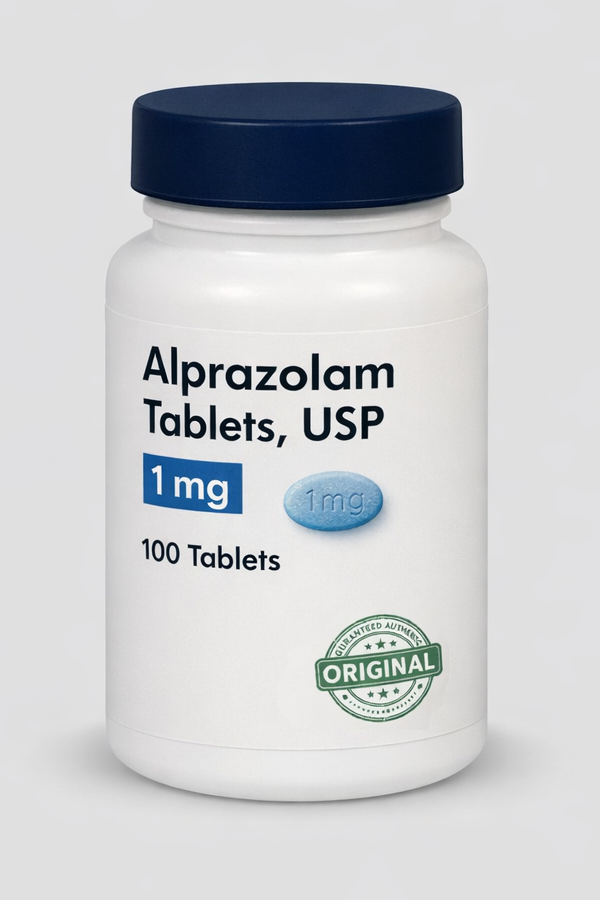
| Product Name: | Price: | Where To Buy Online: |
|---|---|---|
| Xanax (Alprazolam) 1 mg / 2 mg | $179.95 | OnlinePharmacy |
Contents:
- What Is Xanax and How Does It Work?
- Clinical Indications for Xanax in Anxiety and Panic Disorders
- Access to Xanax - What Patients Should Know
- Pharmacological Mechanism of Xanax and Its Effect on the Central Nervous System
- Use of Xanax in the Management of Panic Attacks and Acute Anxiety States
- Dosage Principles and Individualized Titration in Xanax Therapy
- Drug Interactions - Combining Xanax with Other Medications Safely
- Onset of Action and Duration of Therapeutic Effect
- Potential Side Effects of Xanax and Risk Mitigation Approaches
- Contraindications, Precautions, and High-Risk Patient Groups
- Xanax Use in Comorbid Anxiety and Depressive Disorders
- Gender-Related Considerations in Alprazolam Treatment
- Cost Factors and Availability of Xanax Through Licensed Pharmacies
- Generic Alternatives and International Brand Equivalents
- How to Buy Xanax Online Safely from Verified Suppliers
- What to Know Before Starting Xanax Treatment
- Strategies for Responsible Use and Dependence Risk Management
- Clinical Rationale for Xanax as a Short-Term Anxiolytic Option
What Is Xanax and How Does It Work?
Xanax, the widely recognized brand name for alprazolam, occupies a distinguished place among modern anxiolytic agents due to its rapid onset of effect, predictable pharmacokinetics, and robust evidence base in anxiety and panic disorders. Belonging to the benzodiazepine class, Xanax enhances the effect of the inhibitory neurotransmitter gamma-aminobutyric acid (GABA) in the central nervous system, leading to a calming, anti-anxiety effect that many patients describe as a restoration of inner balance rather than simple sedation. The molecule is carefully engineered to bind selectively to specific benzodiazepine sites on the GABA-A receptor complex, which explains its strong anxiolytic profile and its ability to reduce psychic tension, autonomic arousal, and the somatic manifestations of anxiety.
From a pharmacological perspective, Xanax is characterized by an intermediate half-life and relatively fast absorption, which together create a favorable balance between rapid relief and manageable duration of action. After oral administration, alprazolam is efficiently absorbed from the gastrointestinal tract, achieving peak plasma concentrations within a short timeframe, often within one to two hours depending on the formulation. This rapid rise in plasma levels underpins its capacity to attenuate acute anxiety surges and panic symptoms, while its elimination profile allows for structured dosing schedules tailored to daily routines, work demands, and sleep-wake cycles. The metabolic pathway, primarily via hepatic cytochrome P450 3A4 (CYP3A4), contributes to predictable clearance, although interindividual variability still plays a role in clinical response.
At the receptor level, Xanax acts as a positive allosteric modulator of the GABA-A receptor, amplifying the natural inhibitory tone of GABA without directly activating the receptor in the absence of the neurotransmitter. This cooperative mechanism provides a sophisticated form of neurochemical "fine-tuning", where endogenous GABA release remains the primary driver of inhibition, and alprazolam enhances the magnitude and duration of chloride channel opening. The resulting hyperpolarization of neuronal membranes dampens excessive neuronal firing in limbic and cortical circuits associated with fear, worry, and anticipatory anxiety. By acting on these circuits, Xanax can modulate both the emotional and physical dimensions of anxiety, from racing thoughts to palpitations, tremors, and gastrointestinal discomfort.
Clinically, Xanax is often perceived as a precision tool for situations where anxiety is intense, disruptive, and resistant to non-pharmacological strategies alone. Its pharmacodynamic profile allows for targeted intervention during episodes of heightened distress, while still integrating into broader therapeutic plans that may include psychotherapy, lifestyle measures, and long-term pharmacologic strategies using non-benzodiazepine agents. The reliability of its anxiolytic effect, documented across multiple controlled trials, has made Xanax a reference point when evaluating newer compounds that seek to match or surpass its efficacy. For many individuals, the first exposure to Xanax marks a turning point, as they experience a tangible reduction in overwhelming anxiety, enabling them to engage more actively in psychosocial and rehabilitative interventions.
Another notable feature of Xanax is the availability of various formulations, including immediate-release and extended-release tablets, which support flexible therapeutic strategies. Immediate-release forms are particularly valued for rapid symptom relief, whereas extended-release preparations can provide smoother coverage throughout the day, reducing peaks and troughs in plasma concentration and improving tolerability for some patients. This versatility allows for nuanced titration of dose and timing, aligning medication effects with the individual’s specific pattern of symptoms, whether dominated by morning anxiety, situational triggers, or unpredictable panic episodes. Such adaptability contributes to the sustained popularity of Xanax in contemporary practice.
From a neuropsychological standpoint, Xanax not only attenuates somatic anxiety but also influences cognitive and affective components of anxious states. By reducing hypervigilance, catastrophic thinking, and intrusive worries, it may facilitate more rational appraisal of stressors and enhance the capacity to participate in cognitive-behavioral techniques. Some individuals describe a "window of opportunity" created by Xanax, during which they can relearn coping strategies and confront avoided situations with less fear. This synergy between pharmacologic and psychological mechanisms underscores why alprazolam retains such a prominent status in integrative treatment models for anxiety and panic disorders, especially when used thoughtfully and within clearly defined therapeutic goals.
Despite its long-standing presence, Xanax continues to be the subject of active research exploring its nuanced effects on brain networks, stress response systems, and long-term outcomes when incorporated into comprehensive care plans. Advanced imaging studies have demonstrated modulation of activity in the amygdala, prefrontal cortex, and hippocampus, regions intimately involved in fear processing, emotional regulation, and memory of threatening events. These insights help explain the profound sense of relief many patients report during treatment and reinforce the scientific rationale for its use in carefully selected clinical scenarios. As knowledge grows, Xanax remains a benchmark molecule, illustrating how targeted modulation of GABAergic transmission can transform the lived experience of anxiety and panic, when balanced with responsible monitoring and clear therapeutic boundaries.
Clinical Indications for Xanax in Anxiety and Panic Disorders
Xanax holds a distinguished role among benzodiazepines in the management of anxiety and panic disorders, supported by decades of clinical experience and a substantial body of research. Its primary licensed indications center on generalized anxiety disorder (GAD), anxiety associated with depressive states, and panic disorder with or without agoraphobia. In these conditions, maladaptive fear responses, chronic worry, and sudden episodes of intense terror can profoundly disrupt daily functioning, interpersonal relationships, and occupational performance. Xanax offers a pharmacologic option that can attenuate both the psychological distress and the physical manifestations of anxiety, helping individuals regain a sense of stability while broader therapeutic strategies are implemented.
In generalized anxiety disorder, the persistent and excessive worry that characterizes the condition often coexists with restlessness, muscle tension, sleep disturbance, and impaired concentration. Xanax is valued for its capacity to reduce the intensity of these symptoms relatively quickly, which can be particularly beneficial when long-term agents such as selective serotonin reuptake inhibitors (SSRIs) or serotonin-norepinephrine reuptake inhibitors (SNRIs) have not yet reached full effect. Short-term use of alprazolam in this context can bridge the gap between acute symptom burden and the delayed onset of action of maintenance therapies, reducing distress and improving engagement in psychotherapeutic interventions. The agent’s anxiolytic potency makes it especially useful when anxiety levels are so high that they impede participation in non-pharmacological treatment.
In panic disorder, Xanax has earned a reputation as one of the most effective acute treatments for panic attacks, which are characterized by sudden surges of intense fear accompanied by palpitations, chest pain, dyspnea, dizziness, and a sense of impending doom. These episodes can be so overwhelming that individuals may fear they are experiencing a life-threatening medical event, leading to repeated emergency visits and significant functional impairment. Alprazolam’s rapid onset of action can blunt the severity and duration of panic attacks, while regular dosing in extended-release formulations may help reduce the frequency of episodes and the anticipatory anxiety that often surrounds them. The ability to intervene at both the acute and prophylactic levels renders Xanax a powerful tool in the therapeutic arsenal against panic disorder.
- Generalized anxiety disorder with prominent somatic and cognitive symptoms
- Panic disorder with or without agoraphobia, including recurrent unexpected panic attacks
- Anxiety symptoms co-occurring with depressive episodes when rapid anxiolysis is needed
- Short-term relief of severe situational anxiety in carefully selected scenarios
- Adjunctive use during initiation of longer-term antidepressant therapy for anxiety disorders
Anxiety frequently appears as a comorbid feature in depressive disorders, where agitation, inner tension, ruminative worry, and insomnia may dominate the clinical picture. In such settings, Xanax can serve as an adjunctive option to antidepressants, attenuating the anxiety component while the primary mood treatment takes effect. This approach may reduce early dropout from therapy driven by persistent or even transiently worsened anxiety during antidepressant initiation. By rapidly easing psychic and somatic agitation, Xanax can create a more tolerable transition period and support adherence to longer-term treatment strategies, particularly in individuals who find initial antidepressant side effects or delayed benefits difficult to endure.
Beyond classic anxiety and panic diagnoses, Xanax is sometimes incorporated into treatment plans where severe situational anxiety creates substantial short-term distress, such as major life events, acute stress reactions, or specific phobias in narrowly defined circumstances. In these contexts, its use is typically time-limited and carefully structured, with clear objectives and close monitoring. The agent’s pharmacologic profile, combining rapid relief with manageable half-life, lends itself well to short-term, goal-oriented interventions. When integrated into a broader therapeutic framework, this targeted approach can help individuals navigate particularly challenging periods without allowing transient distress to escalate into chronic, entrenched anxiety patterns.
The clinical indications for Xanax are also shaped by the need to differentiate anxiety-driven symptoms from those primarily rooted in other psychiatric or medical conditions. For example, when anxiety arises secondary to endocrine disorders, cardiopulmonary disease, or substance use, the primary focus remains on addressing the underlying cause, while any benzodiazepine use is approached with heightened caution. Nonetheless, in carefully evaluated cases where anxiety becomes disproportionately disabling, short-term alprazolam therapy may be considered as part of a comprehensive plan. This nuanced, context-sensitive deployment of Xanax highlights the sophistication required in aligning its pharmacologic strengths with individual symptom profiles and diagnostic realities.
Across anxiety and panic-related indications, the therapeutic role of Xanax is often conceptualized as part of a stepped-care model, where intensity and duration of pharmacologic intervention are matched to the severity, chronicity, and functional impact of symptoms. In milder presentations, non-pharmacological strategies may suffice, whereas in moderate to severe cases, alprazolam can provide a powerful yet flexible option for rapid symptom control. When integrated thoughtfully with psychoeducation, cognitive-behavioral interventions, and, where appropriate, longer-term pharmacotherapies, Xanax contributes to a multidimensional approach that addresses both immediate suffering and long-range recovery goals.
Ongoing research continues to refine the understanding of which patient profiles derive the greatest benefit from Xanax across the anxiety and panic spectrum, with attention to factors such as age, comorbidities, prior treatment history, and individual sensitivity to benzodiazepines. This evolving evidence base informs more precise selection of candidates for therapy, supports rational combination strategies with antidepressants and other agents, and underscores the value of alprazolam as a targeted, evidence-backed option in the complex landscape of anxiety and panic disorder management.
Access to Xanax - What Patients Should Know
Access to Xanax is shaped by a combination of regulatory frameworks, safety considerations, and public health priorities, reflecting the medication’s potent therapeutic benefits alongside the need for responsible use. As a controlled substance in many jurisdictions, alprazolam is subject to specific prescribing and dispensing regulations designed to balance availability for those who can benefit with safeguards against misuse and diversion. These controls often include limitations on prescription duration, requirements for secure storage and record-keeping at pharmacies, and, in some regions, integration into prescription monitoring programs that track dispensing patterns. Such measures are not intended to create unnecessary barriers, but rather to protect individuals and communities while preserving access for legitimate therapeutic needs.
The pathway to obtaining Xanax generally involves a formal diagnostic process, where anxiety and panic symptoms are evaluated in the context of overall mental and physical health. Detailed assessment helps distinguish between transient stress reactions and clinically significant anxiety disorders that warrant pharmacologic intervention. During this process, the potential role of Xanax is considered alongside alternative treatments, taking into account factors such as previous medication responses, comorbid conditions, concurrent substances, and personal preferences. Once a decision is made to incorporate alprazolam into a treatment plan, prescriptions are typically structured with clear dosing parameters, duration, and follow-up arrangements to facilitate ongoing oversight.
Pharmacies play a pivotal role in the access pathway, serving as the interface between prescription and medication in hand. Licensed pharmacies follow strict protocols for receiving, storing, and dispensing controlled medications like Xanax, often requiring identity verification and adherence to jurisdiction-specific documentation standards. Many regions encourage or mandate the use of electronic prescription systems, which help reduce errors, minimize forgery, and support real-time monitoring of controlled substance use. These systems contribute to safer, more transparent access while ensuring that individuals receive the exact formulation and dose intended in their treatment plan, whether immediate-release or extended-release alprazolam.
Digitalization has introduced new dimensions to access, with telehealth consultations and electronic prescribing expanding the ways in which individuals can obtain legitimate prescriptions for Xanax. Remote consultations may be particularly helpful for those living in underserved areas or facing mobility limitations, provided that the evaluation remains thorough and adheres to legal and ethical standards. At the same time, the rise of unregulated online sources has created parallel risks, including counterfeit products, incorrect dosages, and absence of professional oversight. Awareness of these contrasting pathways underscores the value of distinguishing between verified, regulated channels and illicit vendors that bypass safeguards designed to support safe, effective treatment.
Insurance coverage and reimbursement policies also influence practical access to Xanax, shaping affordability and continuity of therapy. Many health insurance plans include alprazolam on their formularies, sometimes with tiered copay structures or prior authorization requirements that encourage rational use. These mechanisms may favor certain formulations or generic versions, which can lower out-of-pocket costs while maintaining therapeutic equivalence. For individuals without insurance, the availability of generic alprazolam often provides a more accessible option, though pricing can still vary significantly between pharmacies and geographic regions, prompting some to explore discount programs or pharmacy comparison tools.
Legal frameworks differ internationally, meaning that the ease of obtaining Xanax, the quantity allowed per prescription, and the level of monitoring can vary widely between countries. In some regions, regulations are particularly stringent, with limited authorized indications and tight control over prescription refills, while others may adopt more flexible approaches within a structured regulatory environment. These differences reflect varying national experiences with benzodiazepine use, public health priorities, and healthcare system organization. For individuals who travel or relocate across borders, awareness of these regulatory contrasts becomes important to avoid disruptions in therapy and to remain compliant with local laws.
Access to Xanax is most effective when it is embedded within a collaborative, informed decision-making process that clarifies expectations, benefits, and potential risks. Transparent discussion of treatment goals, anticipated duration of use, and monitoring plans can transform access from a simple transaction into a structured therapeutic pathway. When individuals are well informed about how and why alprazolam is being used, what alternative options exist, and how treatment will be reviewed over time, the act of obtaining Xanax becomes part of a coherent strategy aimed at symptom relief, functional recovery, and long-term emotional resilience.
Pharmacological Mechanism of Xanax and Its Effect on the Central Nervous System
Xanax exerts its therapeutic effect through a refined interaction with the gamma-aminobutyric acid type A (GABA-A) receptor complex, a key inhibitory system in the central nervous system (CNS). As a benzodiazepine, alprazolam does not activate the receptor directly; rather, it binds to a specific allosteric site distinct from the GABA binding domain. This binding increases the affinity of the receptor for GABA and enhances the frequency of chloride channel opening when GABA is present. The resultant influx of chloride ions hyperpolarizes the neuronal membrane, reducing the likelihood of action potential generation and dampening excessive neuronal excitability. This targeted amplification of endogenous inhibition underpins the anxiolytic, sedative, and muscle-relaxant properties associated with Xanax.
The GABA-A receptor is a pentameric complex composed of various subunits, and the specific configuration of these subunits influences the receptor’s pharmacological profile. Alprazolam shows high affinity for benzodiazepine-sensitive GABA-A receptors containing particular alpha subunits, such as alpha-1, alpha-2, and alpha-3, which are distributed across brain regions involved in anxiety, arousal, and emotional processing. Activation of receptors containing alpha-2 and alpha-3 subunits is particularly associated with anxiolytic effects, while alpha-1 subunits contribute more to sedative and hypnotic actions. This subunit-specific activity explains why Xanax can provide pronounced relief from anxiety at doses that, for many individuals, do not cause overwhelming sedation, enabling functional daytime use when dosed appropriately.
On a systems level, Xanax modulates neural circuits that link the limbic system, prefrontal cortex, and brainstem autonomic centers. The amygdala, a central hub for fear and threat detection, exhibits heightened activity in anxiety and panic disorders, contributing to exaggerated responses to perceived danger and persistent feelings of unease. By enhancing GABAergic inhibition within the amygdala and interconnected regions, alprazolam reduces hyperresponsivity to emotional stimuli and attenuates the cascade of downstream autonomic responses, such as tachycardia, sweating, and gastrointestinal upset. Functional imaging studies have documented decreased amygdala activation and altered connectivity patterns during benzodiazepine administration, providing visual correlates of the subjective calming experience reported by many individuals taking Xanax.
- Potentiation of GABA-A receptor-mediated inhibition through allosteric modulation
- Preferential engagement of alpha-2 and alpha-3 subunit-containing receptors linked to anxiolysis
- Reduction of amygdala hyperactivity and normalization of fear-processing circuits
- Attenuation of autonomic arousal via brainstem and hypothalamic pathways
- Influence on cortical networks governing worry, attention, and anticipatory anxiety
Xanax also affects cortical regions such as the prefrontal cortex, which plays a central role in executive functions, decision-making, and regulation of emotional responses. In anxiety states, prefrontal control over limbic structures may be compromised, leading to difficulty in reappraising threats and disengaging from ruminative worry. By enhancing inhibitory tone within these networks, alprazolam can support more balanced communication between the prefrontal cortex and limbic system, potentially facilitating more adaptive cognitive processing. This neurobiological shift aligns with clinical observations that individuals on Xanax often describe improved capacity to "step back" from anxious thoughts and evaluate situations with greater clarity.
At the level of neurotransmitter systems, the impact of Xanax extends beyond GABAergic circuits, indirectly influencing monoaminergic pathways such as serotonin, norepinephrine, and dopamine. While benzodiazepines do not act as primary modulators of these systems, the reduction in stress-related hyperactivity can secondarily normalize monoamine release patterns, particularly in regions involved in mood and reward processing. This interconnected effect may contribute to the relief of anxiety-related depressive symptoms and the reduction of stress-induced cravings or maladaptive coping behaviors. The capacity of alprazolam to calm overactivated neural networks can, therefore, have cascading benefits across multiple neurochemical domains.
Pharmacokinetically, Xanax is rapidly absorbed after oral administration, with high bioavailability and efficient penetration of the blood-brain barrier. Peak CNS concentrations are typically achieved within a few hours, corresponding to the onset of clinical effects. Alprazolam is extensively metabolized in the liver, primarily via CYP3A4, into hydroxylated metabolites that are subsequently conjugated and excreted. These metabolites generally possess lower pharmacologic activity than the parent compound, contributing to a relatively predictable decline in effect over time. The elimination half-life, often in the range of 11–16 hours for many adults, supports dosing schedules that can be tailored to daily symptom patterns, though individual variability remains significant.
Neuroadaptation is an important aspect of the pharmacological story of Xanax. With sustained exposure, GABA-A receptors and associated signaling pathways may undergo compensatory changes, including alterations in receptor density, subunit composition, or downstream intracellular mechanisms. These adaptations can influence tolerance, dependence potential, and withdrawal phenomena upon dose reduction or discontinuation. While such processes are not unique to alprazolam and apply broadly to benzodiazepines, they highlight the dynamic nature of CNS response to prolonged modulation. When therapy with Xanax is conceptualized within a time-limited or carefully reviewed framework, these neuroadaptive processes can be managed thoughtfully, aligning short-term neurochemical benefits with long-term therapeutic objectives.
The pharmacological mechanism of Xanax illustrates how targeted enhancement of inhibitory neurotransmission can reshape the functional landscape of the central nervous system in individuals burdened by anxiety and panic. By bridging molecular interactions at the GABA-A receptor with large-scale changes in neural network activity, alprazolam provides a clear example of precision neuropharmacology in action, offering relief from overwhelming symptoms while deepening scientific insight into the biology of fear, stress, and emotional regulation.
Use of Xanax in the Management of Panic Attacks and Acute Anxiety States
Xanax occupies a prominent position in the management of panic attacks and acute anxiety states because of its rapid onset of action, potent anxiolytic effect, and proven capacity to interrupt escalating cycles of fear and physiological arousal. Panic attacks, characterized by abrupt surges of intense terror, somatic symptoms, and a pervasive sense of imminent catastrophe, can be profoundly disabling and frightening. In such episodes, the swift calming effect of alprazolam offers a pharmacologic counterweight to runaway sympathetic activation, reducing the severity of symptoms such as palpitations, chest tightness, dizziness, and breathlessness. This capability to provide relatively rapid relief has made Xanax a central reference point when evaluating acute treatments for panic phenomena.
In individuals with established panic disorder, Xanax can be used both as a scheduled medication and as an "as-needed" component within a broader therapeutic plan. Scheduled dosing, particularly with extended-release formulations, aims to stabilize baseline anxiety levels and reduce the overall frequency and intensity of panic attacks. This approach can diminish anticipatory anxiety, the persistent fear of future attacks that often leads to avoidance behaviors and functional impairment. On the other hand, carefully structured as-needed use of immediate-release alprazolam targets breakthrough episodes or situations known to trigger panic, supporting individuals as they confront feared contexts without being overwhelmed by symptoms.
Acute anxiety states extend beyond classic panic attacks and may arise in response to acute stressors, traumatic experiences, or sudden exacerbations of chronic anxiety disorders. In these scenarios, Xanax can serve as a short-term intervention that tempers extreme distress, allowing individuals to regain composure and engage with supportive measures. The medication’s capacity to calm both mind and body is particularly valuable when anxiety manifests with pronounced somatic components such as tremors, sweating, gastrointestinal discomfort, and hyperventilation. By attenuating these physical sensations, alprazolam may also reduce the vicious cycle in which bodily symptoms amplify catastrophic interpretations and, in turn, intensify anxiety.
- Rapid attenuation of acute panic symptoms and catastrophic fear
- Reduction of anticipatory anxiety that drives avoidance and functional decline
- Support during exposure-based or cognitive-behavioral interventions for panic
- Short-term stabilization during acute stress reactions and anxiety crises
- Adjunctive role when initiating or adjusting long-term pharmacologic treatments
Xanax is often integrated into multimodal treatment strategies for panic disorder, where pharmacologic and psychological approaches reinforce each other. For example, during exposure-based therapies, where individuals gradually confront feared situations or bodily sensations, alprazolam may help keep anxiety within tolerable limits, enabling consistent participation in therapeutic exercises. This synergy can be particularly helpful in early treatment phases, when avoidance behaviors are deeply entrenched and the prospect of facing triggers feels overwhelming. Over time, as confidence grows and learned coping skills strengthen, reliance on pharmacologic support can often be reassessed and adjusted in alignment with evolving therapeutic goals.
The timing and pattern of Xanax administration in panic and acute anxiety management require thoughtful calibration. Dosing schedules may consider the typical timing of attacks, known triggers, and daily routines. Some individuals experience pronounced morning anxiety, while others are more vulnerable in specific social or performance situations. Aligning alprazolam exposure with these patterns can maximize benefit while minimizing unnecessary dosing. Extended-release preparations may provide smoother coverage for those with frequent or unpredictable attacks, whereas immediate-release formulations can be better suited to discrete, situational needs. This flexibility allows therapy to be tailored with remarkable precision to individual symptom trajectories.
When acute anxiety states occur in the context of broader psychiatric or medical conditions, the role of Xanax is often considered within a more complex clinical landscape. For instance, panic-like symptoms may accompany post-traumatic stress, mood disorders, or certain cardiopulmonary or endocrine illnesses. In such cases, alprazolam may be used as a targeted measure to curb acute distress while primary treatments address the underlying condition. This adjunctive role demands careful assessment of potential interactions, the risk-benefit balance, and the anticipated time course of the precipitating condition, allowing Xanax to function as a supportive tool rather than a standalone solution.
The consistent theme across diverse applications of Xanax in panic attacks and acute anxiety states is its capacity to offer a rapid, reliable reduction in overwhelming symptoms, thereby opening space for reflection, problem-solving, and engagement with longer-term strategies. When thoughtfully integrated into comprehensive care plans, alprazolam can transform acute episodes from unmanageable crises into challenges that, while still difficult, become more navigable, allowing individuals to maintain connection to their goals, relationships, and daily responsibilities.
Dosage Principles and Individualized Titration in Xanax Therapy
Dosage principles for Xanax revolve around the concept of using the lowest effective dose for the shortest appropriate duration, shaped by individual symptom severity, treatment goals, and tolerability. Alprazolam’s potency and relatively rapid onset of action make it an exceptionally powerful anxiolytic, but they also call for meticulous attention to dose selection and adjustment. Initial dosing strategies often start at modest levels, with gradual increases guided by clinical response and side-effect profile, rather than aggressive upfront dosing. This approach reduces the likelihood of excessive sedation, cognitive blunting, or motor impairment, and provides a clearer view of the true therapeutic window for each individual.
Individualized titration is central to successful Xanax therapy, as responses to benzodiazepines can vary widely due to age, body mass, hepatic function, concomitant medications, genetic factors, and prior exposure to similar agents. Some individuals experience significant relief at relatively low doses, while others may require higher doses to achieve comparable anxiolytic effects. Regular reassessment of symptom control, functional capacity, and adverse effects allows for fine-tuning of both dose and dosing schedule. Adjustments can include splitting doses across the day, consolidating dosing at specific times, or transitioning between immediate-release and extended-release formulations to better match the temporal pattern of anxiety or panic symptoms.
The choice between immediate-release (IR) and extended-release (XR) Xanax formulations plays a significant role in dosage planning. IR tablets reach peak plasma levels more quickly, making them well suited for acute symptom relief and situational anxiety. XR formulations, by contrast, are engineered to release alprazolam gradually over an extended period, providing smoother, more sustained coverage with fewer peaks and troughs. In individuals with persistent, day-long anxiety or frequent panic episodes, XR dosing can help maintain more stable symptom control and may reduce the need for multiple daily doses. Some treatment plans combine XR for baseline control with limited IR use for breakthrough episodes, demonstrating the versatility of alprazolam dosing regimens.
- Begin with conservative doses and titrate based on clinical response and tolerability
- Align dose timing with the circadian pattern of anxiety or panic symptoms
- Consider extended-release formulations for sustained coverage in chronic anxiety
- Regularly reassess dose necessity, aiming to avoid unneeded escalation
- Adapt titration pace for older adults, those with hepatic impairment, or polypharmacy
Age-related factors exert a strong influence on dosage principles, particularly in older adults, who often exhibit increased sensitivity to benzodiazepines. Reduced hepatic metabolism, changes in body composition, and heightened vulnerability to sedation, falls, and cognitive effects all argue for especially cautious dosing and slower titration in this population. Even modest dose increases can produce disproportionately strong effects, emphasizing the value of incremental adjustments and close monitoring. Similar prudence applies to individuals with hepatic impairment or those taking medications that inhibit CYP3A4, where reduced clearance of alprazolam can lead to accumulation and enhanced pharmacologic effects.
Duration of Xanax therapy is another cornerstone of dosage planning. While alprazolam can provide rapid and substantial relief, prolonged use at higher doses may increase the likelihood of tolerance, dependence, and withdrawal phenomena. Therefore, many treatment frameworks conceptualize Xanax as a short- to medium-term intervention, particularly at higher doses, with ongoing evaluation of whether continued use remains beneficial relative to potential risks. When longer courses are warranted due to persistent, severe symptoms, structured plans for periodic reassessment, dose minimization, and consideration of adjunctive or alternative treatments can help maintain a favorable risk-benefit balance.
Transitions in dosage, whether upward during titration or downward during tapering, benefit from clear, individualized planning. Rapid changes can provoke rebound anxiety, withdrawal symptoms, or destabilization of previously controlled panic attacks, especially after extended use. Gradual, stepwise adjustments allow neurobiological systems time to adapt and often result in a smoother clinical course. Communication about expected effects during titration, including potential transient symptom fluctuations, can also foster realistic expectations and support adherence to carefully designed dosage schedules.
Thoughtfully executed dosage principles and individualized titration strategies transform Xanax from a powerful but blunt pharmacologic tool into a finely calibrated instrument, precisely tuned to the contours of each person’s anxiety or panic experience, while maintaining a vigilant eye on long-term safety and therapeutic sustainability.
Drug Interactions - Combining Xanax with Other Medications Safely
Drug interactions involving Xanax are largely governed by its metabolic pathway and its central nervous system depressant properties. Alprazolam is primarily metabolized by the cytochrome P450 isoenzyme CYP3A4, which means that any medication or substance that inhibits or induces this enzyme can significantly alter plasma levels of Xanax. Potent CYP3A4 inhibitors, such as certain azole antifungals, macrolide antibiotics, and some antiretroviral agents, may substantially increase alprazolam concentrations, leading to enhanced sedation, psychomotor impairment, and risk of respiratory depression. Conversely, CYP3A4 inducers, including some anticonvulsants and rifampin, can lower alprazolam levels, reducing its anxiolytic effectiveness and potentially prompting unwarranted dose escalation.
Beyond metabolic interactions, pharmacodynamic interactions play a crucial role when Xanax is combined with other CNS-active agents. Co-administration with other sedatives, hypnotics, opioid analgesics, certain antipsychotics, or alcohol can result in additive or synergistic depressant effects on the central nervous system. This convergence may manifest as pronounced drowsiness, confusion, impaired coordination, and, in severe cases, respiratory depression or loss of consciousness. The combination of benzodiazepines with opioids has received particular attention due to heightened risk of overdose, prompting regulatory agencies to issue warnings and encourage cautious, well-justified use when such combinations are considered unavoidable.
Interactions with antidepressants form a frequent consideration, given the common co-occurrence of anxiety and depressive disorders. Many SSRIs and SNRIs have limited direct pharmacokinetic impact on alprazolam, but some, such as fluoxetine and fluvoxamine, can inhibit CYP3A4 to varying degrees, potentially increasing benzodiazepine exposure. On the pharmacodynamic level, the combination of Xanax with antidepressants is often therapeutically beneficial, as the rapid anxiolytic effect of alprazolam complements the slower onset of antidepressant action. Careful dose selection and monitoring help ensure that the synergistic relief of anxiety does not come at the cost of excessive sedation or cognitive blunting.
- CYP3A4 inhibitors may elevate alprazolam levels and intensify CNS depression
- CYP3A4 inducers can reduce Xanax efficacy by accelerating metabolism
- Concurrent use with opioids or other sedatives increases risk of respiratory compromise
- Certain antidepressants modestly influence alprazolam pharmacokinetics and dynamics
- Alcohol magnifies sedative and psychomotor-impairing effects of Xanax
Many individuals taking Xanax also use over-the-counter products, herbal supplements, or recreational substances, each of which can contribute to interaction profiles. For example, preparations containing St. John’s wort may induce CYP3A4, potentially diminishing alprazolam levels, while some antihistamines with sedative properties can enhance CNS depression when combined with benzodiazepines. Even seemingly benign agents, such as certain sleep aids or cough syrups containing alcohol or sedating compounds, may interact in ways that amplify drowsiness and impair alertness. Awareness of these less obvious combinations supports a more complete view of the pharmacologic environment in which Xanax exerts its effects.
Medical comorbidities and associated treatments also shape the interaction landscape. Individuals with cardiovascular disease, chronic obstructive pulmonary disease, sleep apnea, or hepatic impairment often take multiple medications, some of which may influence CYP3A4 activity or CNS function. In these contexts, the addition of Xanax requires a nuanced review of existing regimens to anticipate potential interactions and adjust doses where needed. Particular caution is warranted when respiratory reserve is compromised, as any additive depressant effect on respiratory drive can carry heightened risk. Tailoring therapy in such complex clinical scenarios exemplifies the art of combining pharmacologic precision with holistic patient assessment.
Temporal aspects of drug administration further influence interaction potential. Staggering doses of interacting medications, adjusting timing relative to meals, or selecting alternative agents with fewer overlapping effects can all modulate the clinical impact of known interactions. For example, when a necessary CYP3A4 inhibitor is introduced, proactive reduction of Xanax dose and close observation during the initial co-administration period can mitigate excessive sedation. Conversely, when an inducer is discontinued, awareness that alprazolam levels may rise as enzyme activity normalizes can prompt preemptive dose review, preventing unintended intensification of benzodiazepine effects.
Thoughtful management of drug interactions with Xanax transforms polypharmacy from a potential hazard into a carefully orchestrated therapeutic strategy, where each agent’s benefits are preserved while risks are minimized through informed selection, dosing, and monitoring.
Onset of Action and Duration of Therapeutic Effect
The onset of action and duration of therapeutic effect of Xanax are central to its clinical appeal, particularly in the context of acute anxiety and panic. After oral administration of immediate-release alprazolam, absorption from the gastrointestinal tract is rapid, with measurable plasma levels emerging within a short time frame and peak concentrations typically reached within one to two hours. Many individuals begin to perceive anxiolytic effects within this early window, often describing a gradual easing of internal tension, slowing of racing thoughts, and reduction in physical symptoms such as palpitations or tremors. This relatively swift onset contrasts with the delayed therapeutic effects of many antidepressants, positioning Xanax as a valuable option when rapid symptom relief is a priority.
The duration of action of Xanax reflects its elimination half-life, which in healthy adults generally ranges from approximately 11 to 16 hours, though considerable interindividual variability exists. Clinically, the subjective duration of anxiolytic effect often spans several hours, depending on dose, formulation, metabolic rate, and sensitivity to benzodiazepines. For many individuals, a single dose of immediate-release alprazolam provides meaningful relief for a portion of the day, but not necessarily 24-hour coverage, which explains the frequent use of divided dosing schedules. Extended-release formulations are specifically designed to prolong therapeutic levels across a longer interval, smoothing peaks and troughs and reducing the need for multiple daily doses.
The temporal profile of Xanax’s effect is shaped not only by pharmacokinetics but also by the dynamics of anxiety and panic symptoms. In panic disorder, attacks often arise abruptly and may last minutes to an hour, followed by a longer period of residual anxiety and fatigue. Alprazolam’s onset aligns well with the need to curb these episodes and mitigate the aftermath, especially when dosing anticipates predictable triggers. In generalized anxiety, where worry and tension are more continuous, the goal shifts toward maintaining a relatively stable anxiolytic effect throughout waking hours. Extended-release formulations or carefully spaced immediate-release doses can help align the medication’s time course with the chronic nature of symptoms.
- Immediate-release Xanax typically begins to act within 30–60 minutes for many individuals
- Peak plasma concentrations are commonly reached within 1–2 hours after oral dosing
- Subjective anxiolytic effects often last several hours, influenced by dose and metabolism
- Extended-release formulations extend coverage, reducing fluctuations in effect
- Interindividual variability in onset and duration highlights the need for tailored dosing
Factors such as age, hepatic function, and concomitant medications significantly influence both onset and duration. Older adults and individuals with impaired liver function may experience prolonged effects due to slower metabolism and clearance, which can extend both therapeutic and sedative actions beyond the typical range. Co-administration of CYP3A4 inhibitors can similarly lengthen the duration and intensity of alprazolam’s effect, while inducers may shorten it. These variations underscore why some individuals report lingering drowsiness or cognitive slowing beyond the expected window, whereas others perceive a shorter-lived benefit that may necessitate dosing adjustments.
Psychological context also shapes the perceived time course of Xanax’s effect. Anticipatory anxiety, expectations about medication, and concurrent use of relaxation or cognitive strategies can all modulate how quickly relief is noticed and how long it is experienced as meaningful. For instance, when alprazolam is taken in conjunction with breathing techniques or cognitive reframing, individuals may attribute the combined benefit to a more sustained sense of calm. Conversely, high levels of health anxiety or catastrophic thinking may lead some to perceive the effect as shorter or less complete, even when objective measures show substantial symptom reduction.
Repeated dosing over days to weeks can lead to subtle changes in onset and duration as tolerance to certain benzodiazepine effects develops. Sedative and psychomotor-impairing effects often diminish more rapidly than anxiolytic benefits, which can be advantageous from a functional standpoint but may also encourage dose escalation in some individuals seeking to recapture initial levels of relief. Awareness of these adaptive processes supports more realistic expectations about the evolving time course of effect and fosters strategies that emphasize stable, sustainable benefit rather than chasing the intensity of the earliest responses.
When integrated thoughtfully into treatment planning, the onset and duration characteristics of Xanax allow clinicians and individuals to choreograph dosing in harmony with daily rhythms, anticipated challenges, and long-term therapeutic objectives, turning pharmacokinetic parameters into practical tools for enhancing day-to-day emotional stability.
Potential Side Effects of Xanax and Risk Mitigation Approaches
Xanax, like all potent CNS-active medications, carries a spectrum of potential side effects that range from mild and transient to more clinically significant. The most frequently reported effects involve the central nervous system and include drowsiness, fatigue, dizziness, and impaired coordination. These manifestations reflect the medication’s mechanism of enhancing inhibitory GABAergic transmission, which, while therapeutic for anxiety, can also dampen alertness and psychomotor performance. In everyday life, such effects may translate into slower reaction times, reduced concentration, and increased susceptibility to mishaps during tasks that demand sustained attention or rapid responses.
Cognitive side effects form another important category, with some individuals experiencing memory difficulties, particularly in the domain of anterograde memory formation. This can present as trouble recalling recent conversations, misplacing items, or feeling mentally "foggy". While not universal and often dose-dependent, these effects may be particularly relevant in academic, professional, or caregiving roles where high-level cognitive functioning is essential. Subtle changes in processing speed or executive function can also appear, underscoring the value of regular self-observation and feedback from close contacts when assessing the cognitive impact of ongoing Xanax therapy.
Beyond CNS-related effects, Xanax may produce a range of somatic side effects such as dry mouth, gastrointestinal discomfort, changes in appetite, or mild visual disturbances. Some individuals report headaches, muscle weakness, or a sense of unsteadiness, especially during the initiation phase or following dose increases. These symptoms often diminish as the body adapts, but in some cases they may persist or intensify, prompting reassessment of dose, timing, or the overall role of alprazolam in the treatment plan. Sensitivity to side effects can be heightened in older adults, those with multiple comorbidities, or individuals taking other CNS-active medications.
- Drowsiness, fatigue, and slowed psychomotor performance
- Memory difficulties and cognitive "fog" in some individuals
- Somatic symptoms such as dry mouth, dizziness, or gastrointestinal upset
- Heightened sensitivity in older adults and those with comorbid conditions
- Risk of tolerance, dependence, and withdrawal with prolonged high-dose use
One of the most discussed aspects of Xanax’s side-effect profile relates to tolerance, dependence, and withdrawal phenomena. With sustained use, particularly at higher doses, the CNS may adapt to the presence of alprazolam, leading to reduced responsiveness over time (tolerance) and physiological reliance on the drug to maintain equilibrium (dependence). Abrupt discontinuation or rapid dose reductions in such situations can trigger withdrawal symptoms, including rebound anxiety, insomnia, irritability, tremors, and, in severe cases, seizures. These phenomena do not negate the therapeutic value of Xanax but highlight the need for thoughtful planning regarding duration of therapy and strategies for gradual dose reduction when discontinuation becomes appropriate.
Paradoxical reactions, though relatively uncommon, represent another category of potential adverse effects. Instead of sedation and calming, a small subset of individuals may experience agitation, irritability, increased anxiety, or even disinhibited behavior after taking Xanax. Such reactions are more frequently reported in certain vulnerable groups, including children, older adults, or individuals with specific neuropsychiatric profiles. Recognition of these atypical responses is essential, as they may warrant prompt re-evaluation of the medication’s role and consideration of alternative strategies for anxiety or panic management.
Risk mitigation approaches for Xanax side effects rest on several pillars: judicious dose selection, careful titration, regular monitoring, and clear communication about potential adverse experiences. Starting at lower doses and escalating slowly allows early detection of problematic side effects before they become entrenched. Periodic review of daytime alertness, cognitive functioning, mood, and coordination can reveal subtle changes that might otherwise be overlooked. When side effects emerge, adjustments in timing (for example, shifting a larger proportion of the dose to evening), switching between immediate-release and extended-release formulations, or modest dose reductions can often restore a favorable balance between benefit and tolerability.
Responsible planning around the expected duration of Xanax therapy and strategies for eventual tapering further strengthens risk mitigation. When individuals are informed from the outset that alprazolam will be used within a structured framework, with periodic reassessment of necessity and clear pathways for dose reduction, the risk of unplanned long-term high-dose use diminishes. Integrating non-pharmacological interventions, such as psychotherapy and stress-management techniques, into the overall treatment plan enhances resilience and reduces reliance on medication alone, creating a more robust and sustainable approach to anxiety and panic symptom control.
Contraindications, Precautions, and High-Risk Patient Groups
The safe use of Xanax depends on careful consideration of contraindications, precautions, and factors that place certain individuals at higher risk of adverse outcomes. Absolute contraindications typically include known hypersensitivity to alprazolam or other benzodiazepines, as well as situations where benzodiazepine use could precipitate serious complications, such as acute narrow-angle glaucoma. In these settings, the pharmacologic actions of alprazolam may exacerbate underlying pathophysiology or provoke severe allergic or idiosyncratic reactions, making alternative treatment strategies necessary. A thorough medical history, including prior responses to benzodiazepines and ophthalmologic status, provides the foundation for identifying these clear red flags.
Respiratory compromise represents a major area of precaution. Individuals with chronic obstructive pulmonary disease (COPD), sleep apnea, severe asthma, or other conditions that reduce respiratory reserve may be particularly vulnerable to the depressant effects of Xanax on respiratory drive, especially at higher doses or in combination with other sedatives. Even modest additional suppression of respiratory centers can have outsized clinical consequences in such populations. For this reason, any consideration of alprazolam in the context of respiratory disease demands careful risk-benefit analysis, conservative dosing, and heightened vigilance for signs of hypoventilation, excessive sedation, or nocturnal breathing disturbances.
Hepatic impairment is another critical factor, given that alprazolam is extensively metabolized in the liver via CYP3A4. In individuals with significant liver dysfunction, clearance of Xanax can be reduced, leading to prolonged exposure and accumulation. This can amplify both intended and unintended pharmacologic effects, increasing the risk of sedation, cognitive impairment, and falls, particularly in older adults. Dose reductions, slower titration, and extended dosing intervals may be warranted in such cases, and in severe hepatic disease, alternative anxiolytic strategies may be preferable. Baseline and periodic assessment of liver function support informed decision-making in this domain.
- Known hypersensitivity to alprazolam or benzodiazepines as an absolute contraindication
- Respiratory disorders such as COPD or sleep apnea requiring heightened caution
- Hepatic impairment leading to reduced clearance and prolonged effects
- History of substance use disorders increasing vulnerability to misuse
- Older age associated with amplified sensitivity to sedative and cognitive effects
History of substance use disorders, particularly involving alcohol, opioids, or sedative-hypnotics, places individuals in a high-risk category for benzodiazepine misuse, dependence, and overdose. The rewarding, tension-relieving properties of Xanax can be particularly compelling for those with prior substance-related difficulties, increasing the likelihood of dose escalation beyond prescribed limits or combination with other psychoactive substances. In such contexts, the decision to use alprazolam requires a nuanced evaluation of potential benefits against the backdrop of relapse risk, with consideration of alternative treatments that carry lower misuse potential, as well as close monitoring and, when appropriate, involvement of addiction-focused support services.
Older adults represent a distinct high-risk group for Xanax therapy due to age-related changes in pharmacokinetics and pharmacodynamics. Decreased hepatic metabolism, altered body composition, and heightened CNS sensitivity can translate into stronger and more prolonged responses to standard doses, including pronounced sedation, confusion, ataxia, and increased fall risk. These effects may precipitate fractures, loss of independence, or delirium, particularly in those with pre-existing cognitive impairment. Consequently, dosing in older individuals is often substantially lower than in younger adults, and regular reassessment of necessity and tolerability becomes a central component of ongoing care.
Pregnancy and lactation raise additional layers of consideration. Benzodiazepines cross the placental barrier and are excreted in breast milk, raising concerns about potential effects on fetal or neonatal development, respiratory function, and neurobehavioral outcomes. While specific risk profiles may vary with timing, dose, and duration of exposure, many guidelines advocate for cautious, highly individualized decisions regarding Xanax use in these periods, often favoring non-pharmacologic approaches or alternative medications with more favorable reproductive safety data when feasible. When alprazolam is deemed necessary, the smallest effective dose for the shortest possible duration is generally prioritized, with close monitoring of both parent and infant.
Psychiatric comorbidities and baseline personality traits can also influence risk. Individuals with impulsivity, disinhibition, or certain personality disorder features may be more prone to paradoxical reactions, misuse, or non-adherence to dosing plans. Those with severe depression and suicidal ideation require especially careful evaluation, as any sedative medication must be considered in the context of overall safety planning. In such complex clinical landscapes, Xanax can still play a valuable role, but its use benefits from structured oversight, clear treatment contracts, and integration into a comprehensive, multidisciplinary care framework.
Thoughtful identification of contraindications, precautions, and high-risk groups allows Xanax to be deployed where its benefits are most likely to outweigh risks, ensuring that its potent anxiolytic potential is harnessed in ways that respect individual vulnerabilities and promote long-term safety.
Xanax Use in Comorbid Anxiety and Depressive Disorders
Comorbid anxiety and depressive disorders represent one of the most challenging and prevalent constellations in mental health, and Xanax plays a distinctive role within this complex terrain. Many individuals with major depressive disorder or persistent depressive disorder experience substantial anxiety symptoms, including agitation, ruminative worry, somatic tension, and sleep disturbance. These features often amplify overall distress and can obscure the underlying mood disorder, leading to diagnostic and therapeutic complexity. Alprazolam, with its rapid and robust anxiolytic effect, can provide targeted relief of the anxiety component, thereby unmasking the depressive core and facilitating more accurate assessment and treatment planning.
The combination of Xanax with antidepressant medications is a common and often highly effective strategy in comorbid presentations. While SSRIs, SNRIs, and other antidepressants address both mood and anxiety over time, their onset of action may span several weeks, during which individuals can continue to experience intense distress. Alprazolam can bridge this gap by providing early symptom relief, particularly for insomnia, agitation, and panic-like episodes that frequently accompany depression. This early stabilization may improve adherence to antidepressant regimens, reduce crisis presentations, and create a more tolerable environment for psychotherapeutic work focused on cognitive distortions, interpersonal patterns, and behavioral activation.
In anxious depression, where worry, restlessness, and autonomic hyperarousal are especially prominent, Xanax can significantly reduce the physiological and psychological "noise" that interferes with emotional processing and cognitive clarity. By dampening hypervigilance and somatic anxiety, alprazolam may allow individuals to engage more fully in reflective tasks, such as identifying maladaptive beliefs, exploring grief or trauma, and planning meaningful life changes. The sense of internal quiet that many report with Xanax use can be particularly valuable for those whose depressive experience is dominated by relentless mental agitation rather than psychomotor retardation or anergia.
- Adjunctive relief of anxiety symptoms during initiation of antidepressant therapy
- Reduction of agitation and somatic tension in anxious depression
- Facilitation of psychotherapeutic engagement by lowering distress to manageable levels
- Short-term stabilization during depressive crises with prominent panic or insomnia
- Careful balancing of benefits with potential risks of long-term benzodiazepine exposure
Sleep disturbance occupies a central place in many comorbid anxiety-depressive pictures, with insomnia often serving as both a symptom and a perpetuating factor. Xanax can improve sleep onset and continuity by reducing pre-sleep anxiety and physiological arousal, thereby supporting restoration of more regular sleep-wake cycles. Improved sleep, in turn, can enhance mood regulation, cognitive function, and stress resilience, generating positive feedback loops that complement the actions of antidepressants and psychotherapeutic interventions. At the same time, thoughtful attention to dose timing and avoidance of excessive nocturnal sedation helps preserve restorative sleep architecture and daytime functioning.
While the benefits of Xanax in comorbid anxiety and depressive disorders are substantial, the potential for tolerance, dependence, and withdrawal necessitates a deliberate and time-conscious approach. When alprazolam is used as a short- to medium-term adjunct, clear plans for periodic reassessment and eventual dose reduction can prevent unintentional drift into prolonged high-dose use. Collaboration around expectations—such as the understanding that Xanax provides symptomatic relief rather than a cure for depression—reinforces the central role of antidepressants, psychotherapy, and lifestyle interventions in addressing the underlying mood disorder. This framing supports a partnership in which alprazolam is viewed as a powerful but time-limited ally within a broader recovery journey.
Special attention is warranted in individuals with melancholic or psychotic features, bipolar spectrum conditions, or histories of treatment-resistant depression. In such populations, anxiety can be particularly severe and destabilizing, yet the overall clinical picture is complex. Xanax may still offer important symptom relief, but its use must be carefully integrated with mood stabilizers, antipsychotics, or intensive psychotherapeutic approaches as indicated. Avoiding monotherapy with benzodiazepines in these contexts helps prevent masking of evolving mood episodes or psychotic symptoms, ensuring that the full scope of the disorder remains visible and appropriately addressed.
The nuanced use of Xanax in comorbid anxiety and depressive disorders highlights how a fast-acting anxiolytic can complement slower-acting mood treatments, reduce immediate suffering, and create conditions in which deeper therapeutic work becomes possible, provided that its role is clearly defined, regularly reviewed, and aligned with long-term recovery goals.
Gender-Related Considerations in Alprazolam Treatment
Gender-related considerations in alprazolam treatment reflect a complex interplay of biological, psychological, and sociocultural factors that influence both anxiety disorders and responses to pharmacotherapy. Epidemiological data consistently show higher reported rates of anxiety and depressive disorders among women compared with men, which in turn shapes patterns of Xanax prescribing and use. Hormonal fluctuations across the menstrual cycle, pregnancy, postpartum period, and menopause can modulate anxiety symptoms and sensitivity to medications, including benzodiazepines. At the same time, gender norms and expectations may affect help-seeking behavior, symptom reporting, and attitudes toward pharmacologic treatment, all of which contribute to the real-world landscape in which alprazolam is used.
From a pharmacokinetic perspective, differences in body composition, gastric motility, hepatic metabolism, and plasma protein binding between men and women can subtly influence the absorption, distribution, metabolism, and elimination of Xanax. Women typically have a higher proportion of body fat and lower body weight, which may affect the volume of distribution of lipophilic drugs like alprazolam. Some studies suggest that sex-related differences in CYP3A4 activity could also play a role, potentially leading to variations in plasma concentrations and duration of effect at equivalent doses. While these differences are not usually large enough to mandate entirely distinct dosing guidelines, they underscore the value of individualized titration and attention to subjective response across genders.
Hormonal transitions represent key windows where gender-specific factors intersect with alprazolam treatment. Premenstrual exacerbation of anxiety and mood symptoms is common, and some individuals may experience heightened sensitivity to benzodiazepines during certain phases of the menstrual cycle. Pregnancy and the postpartum period introduce additional layers of complexity, as fluctuating hormone levels, sleep disruption, and psychosocial stressors converge to influence anxiety and depressive symptoms. Decisions regarding Xanax use in these periods require particularly careful deliberation, weighing maternal mental health needs against potential fetal or neonatal exposure, and often considering non-pharmacologic or alternative pharmacologic options as first-line approaches.
- Higher prevalence of anxiety and depressive disorders in women influencing prescribing patterns
- Subtle sex-related differences in pharmacokinetics and pharmacodynamics of alprazolam
- Impact of hormonal transitions such as menstruation, pregnancy, and menopause
- Gender norms affecting help-seeking, adherence, and attitudes toward medication
- Attention to cardiovascular, metabolic, and substance use profiles in men using Xanax
Men, while statistically less likely to receive a diagnosis of anxiety disorder, may present with significant symptoms that are under-recognized or expressed through alternative channels such as irritability, substance use, or somatic complaints. When Xanax is used in men with co-occurring substance use, cardiovascular disease, or occupational demands requiring high levels of alertness, gender-related risk patterns come into sharper focus. Higher rates of certain risk behaviors, such as heavy alcohol consumption or engagement in physically hazardous work, can amplify the potential consequences of benzodiazepine-related sedation or psychomotor impairment. Tailoring alprazolam therapy in these contexts involves close attention to lifestyle factors, occupational safety, and potential interactions with alcohol or other substances.
Gender-diverse and transgender individuals add further nuance to alprazolam treatment considerations. Hormone therapy, minority stress, discrimination, and barriers to affirming care can all influence anxiety levels, comorbidities, and pharmacologic response. Estrogen or testosterone therapy may interact with hepatic metabolism or alter the clinical presentation of anxiety and mood symptoms, while chronic stress related to stigma can heighten vulnerability to both anxiety and substance use. Xanax can provide meaningful relief in these contexts, but its use benefits from a gender-affirming, holistic framework that accounts for the full spectrum of biological and psychosocial influences on mental health.
Sociocultural expectations around emotional expression and coping strategies further shape gender-related patterns in Xanax use. Women may feel more permitted to articulate anxiety and seek pharmacologic help, while men may feel pressure to minimize distress or rely on substances like alcohol instead of prescribed medications. These dynamics can contribute to differences in timing of presentation, severity at first contact, and trajectories of treatment engagement. Recognizing these patterns encourages a more sensitive and equitable approach to offering alprazolam as one component of a broader toolkit for managing anxiety and panic across gender identities.
By integrating gender-related biological and psychosocial factors into alprazolam treatment planning, therapy with Xanax becomes more precisely aligned with the lived realities of diverse individuals, supporting not only symptom relief but also greater fairness and responsiveness in mental health care delivery.
Cost Factors and Availability of Xanax Through Licensed Pharmacies
The cost and availability of Xanax through licensed pharmacies are shaped by a constellation of factors, including patent status, generic competition, regulatory controls, insurance coverage, and regional economic conditions. Alprazolam has long been available as a generic medication, which has significantly reduced its price compared with the original branded formulation in many markets. This widespread generic availability enhances affordability and accessibility, particularly for individuals requiring ongoing therapy or those without comprehensive insurance coverage. Nonetheless, price variation between pharmacies, geographic areas, and healthcare systems can remain substantial, influencing where and how individuals obtain their prescriptions filled.
Formulation type exerts a notable influence on cost. Immediate-release generic alprazolam tablets are often among the most economical options, while extended-release formulations, especially branded versions, may carry higher price tags. Differences in manufacturing complexity, patent protections for specific delivery technologies, and market competition all contribute to these disparities. For some individuals, the clinical advantages of extended-release Xanax—such as smoother symptom control and reduced dosing frequency—justify the additional expense, while others may prioritize cost savings and opt for immediate-release versions with carefully structured dosing schedules.
Licensed pharmacies operate within regulatory frameworks that govern the dispensing of controlled substances like Xanax, which can influence both convenience and availability. Requirements such as prescription verification, identity confirmation, and record-keeping add layers of safety but may also introduce logistical steps that affect ease of access. In many regions, electronic prescribing has streamlined these processes, reducing paperwork and enabling more efficient communication between prescribers and pharmacies. At the same time, regulations limiting the quantity dispensed per prescription or the frequency of refills aim to balance accessibility with safeguards against misuse and diversion.
- Generic alprazolam availability substantially lowers cost compared with brand-name Xanax
- Extended-release formulations often cost more but may offer dosing convenience
- Insurance formularies and copay structures shape out-of-pocket expenses
- Regulatory controls influence dispensing limits and refill frequency
- Geographic and socioeconomic factors affect pharmacy access and price variability
Insurance coverage is a major determinant of individual cost burden. Many health plans include alprazolam on their formularies, usually favoring generic versions through lower copays or tiered pricing structures. Prior authorization requirements may apply in some cases, particularly for extended-release formulations or higher doses, encouraging documentation of clinical need and rational use. For individuals without insurance or with high deductibles, discount programs, pharmacy membership plans, and price-comparison tools can markedly reduce expenses, especially when combined with generic prescribing. Awareness of these financial navigation strategies can transform what might appear to be a costly treatment into a more manageable component of overall healthcare spending.
Regional and international differences further shape Xanax availability through licensed pharmacies. In some countries, benzodiazepines are tightly regulated with limited authorized indications and short maximum prescription durations, while others allow more flexibility within controlled-substance frameworks. Economic disparities between regions can affect both the density of pharmacies and the relative affordability of medications, leading to uneven access even when legal availability exists. Urban areas often benefit from multiple pharmacy options and competitive pricing, whereas rural or underserved communities may face longer travel distances, fewer choices, and higher relative costs.
Stock management and supply chain dynamics occasionally influence short-term availability. Periodic shortages of specific strengths or formulations can arise from manufacturing issues, regulatory inspections, or shifts in demand. Licensed pharmacies typically respond by offering alternative strengths, equivalent generic products, or temporary partial fills while awaiting restocking. Transparent communication about such issues helps prevent abrupt treatment interruptions and allows for smooth transitions between equivalent products when necessary. The presence of multiple generic manufacturers for alprazolam generally enhances resilience against prolonged supply disruptions.
The landscape of cost and availability of Xanax through licensed pharmacies demonstrates how economic, regulatory, and logistical factors intersect with clinical decision-making, underscoring the value of aligning therapeutic choices not only with medical needs but also with practical realities of access and affordability.
Generic Alternatives and International Brand Equivalents
Generic alternatives and international brand equivalents of Xanax expand therapeutic options and enhance accessibility for individuals requiring alprazolam-based treatment. Once patent protections on the original brand-name product expired, multiple manufacturers began producing generic alprazolam formulations that meet stringent regulatory standards for quality, purity, and bioequivalence. These generics contain the same active ingredient as Xanax and are required to demonstrate comparable pharmacokinetic profiles, including similar rates and extents of absorption. As a result, they are generally considered therapeutically interchangeable with the original brand, offering similar clinical outcomes at a lower cost.
Internationally, alprazolam is marketed under a variety of brand names in addition to Xanax, reflecting differences in pharmaceutical companies, regulatory histories, and marketing strategies across regions. While the names and packaging may differ, the underlying active substance remains alprazolam, and dosing strengths are often standardized to familiar increments such as 0.25 mg, 0.5 mg, 1 mg, and 2 mg. Extended-release versions may also appear under different brand names, with specific release technologies tailored to local regulatory and market environments. For individuals who travel or relocate between countries, awareness of these international equivalents supports continuity of therapy and reduces confusion when encountering unfamiliar brand labels.
The proliferation of generic alprazolam products introduces subtle variations in excipients, tablet appearance, and sometimes dissolution characteristics, even though bioequivalence standards constrain major pharmacokinetic differences. Some individuals report subjective differences in effect or tolerability when switching between brands or generics, which may reflect minor formulation differences, nocebo effects, or coincidental fluctuations in symptom patterns. When such perceptions arise, consistent use of a single, well-tolerated product can provide reassurance and stability, while still benefiting from the overall cost reductions associated with generics.
- Generic alprazolam products are required to demonstrate bioequivalence to brand-name Xanax
- International brand equivalents share the same active ingredient but may differ in name and packaging
- Variations in excipients and tablet design can influence subjective experience for some individuals
- Extended-release generics and brands broaden options for tailored dosing strategies
- Awareness of equivalents facilitates continuity of care during travel or relocation
Regulatory agencies such as the FDA, EMA, and their counterparts in other countries maintain rigorous oversight of generic manufacturing, including inspections, quality control audits, and post-marketing surveillance. These mechanisms help ensure that generic alprazolam products maintain consistent potency, purity, and performance over time. When quality concerns arise, such as contamination or manufacturing deviations, regulators can issue recalls or warnings, reinforcing public confidence in the overall generic system. This robust regulatory framework underpins the widespread acceptance of generic benzodiazepines as reliable components of modern pharmacotherapy.
Cost differentials between brand-name Xanax and its generics can be substantial, especially in healthcare systems where brand loyalty or limited generic competition persists. In some markets, prescribers may default to brand names out of habit or perceived reliability, while in others, generic prescribing is strongly encouraged or mandated by policy. Pharmacy-level substitution, where pharmacists dispense a generic equivalent unless the prescription specifies otherwise, is common in many jurisdictions and contributes to large-scale cost savings without sacrificing therapeutic efficacy. These savings can be reinvested in other aspects of care, such as psychotherapy, diagnostic evaluations, or management of comorbid conditions.
The existence of multiple international brand equivalents also has implications for pharmacovigilance and patient education. When individuals receive different brand names across borders or even within the same country, clear documentation of the generic name "alprazolam" helps prevent duplication, dosing errors, or unnecessary concern about perceived medication changes. Educational materials that highlight the equivalence of various brands and generics can alleviate anxiety about switching products and support informed, confident engagement with treatment. This clarity is particularly valuable for those managing complex regimens or navigating multiple healthcare systems.
Generic alternatives and international brand equivalents of Xanax exemplify how pharmaceutical innovation transitions into broad, cost-effective access, preserving the therapeutic strengths of alprazolam while expanding flexibility in formulation choice, pricing, and global availability.
How to Buy Xanax Online Safely from Verified Suppliers
The rise of online pharmacies has transformed access to medications like Xanax, offering convenience, privacy, and expanded reach, particularly for individuals in remote or underserved areas. However, this digital evolution also introduces significant variability in the quality and legitimacy of suppliers, making the distinction between verified and unregulated sources critically important. Legitimate online pharmacies operate under the same regulatory frameworks as brick-and-mortar pharmacies, requiring valid prescriptions, employing licensed pharmacists, and adhering to strict standards for drug sourcing, storage, and dispensing. These entities often display certification seals or registrations issued by national or regional regulatory bodies, which can be verified through official databases.
In contrast, unregulated or illicit online vendors may offer Xanax without requiring a prescription, advertise unusually low prices, or ship from undisclosed locations. Products obtained from such sources carry a high risk of being counterfeit, subpotent, suprapotent, or contaminated with other substances, including opioids or synthetic sedatives. These risks extend far beyond simple inefficacy, posing genuine dangers of overdose, unexpected interactions, or severe adverse reactions. The anonymity and global reach of the internet make these vendors difficult to police, underscoring the value of clear, accessible information about how to identify and use verified online suppliers.
Verified online pharmacies typically integrate secure digital infrastructure to protect personal and medical information, including encrypted communication channels, secure payment systems, and transparent privacy policies. They request comprehensive health and medication histories, either through online questionnaires or teleconsultations, before dispensing controlled substances like Xanax. Prescription verification processes—whether via direct submission from prescribers, secure e-prescribing platforms, or validated uploads—form a core safeguard against unauthorized access and misuse. These measures not only comply with regulatory expectations but also promote safer, more individualized pharmacotherapy.
- Legitimate online pharmacies require valid prescriptions and operate under regulatory oversight
- Certification seals and registration numbers can be cross-checked with official databases
- Illicit vendors often bypass prescription requirements and may supply counterfeit products
- Secure websites use encryption and clear privacy policies to protect user data
- Transparent contact information and physical addresses signal accountability and legitimacy
Geographical jurisdiction plays an important role in online Xanax purchasing. Many countries restrict cross-border shipment of controlled substances, even when prescriptions are valid in the originating country. Individuals who attempt to import alprazolam from foreign online pharmacies may inadvertently violate customs regulations or controlled-substance laws, leading to confiscation of products or legal repercussions. Verified suppliers typically provide clear information about where they are licensed to operate and which regions they can legally serve, helping users remain compliant with local regulations while accessing necessary medications.
Pricing and marketing practices can also distinguish verified suppliers from questionable ones. While legitimate online pharmacies may offer competitive pricing, they rarely advertise extreme discounts or "no-prescription" deals for controlled substances like Xanax. Excessively aggressive marketing tactics, unsolicited emails, or pop-up advertisements promising effortless access to benzodiazepines should raise concern. By contrast, reputable platforms focus on transparent pricing, clear explanations of services, and educational content about medication use, side effects, and safety considerations, reflecting a broader commitment to responsible healthcare delivery.
Customer support infrastructure provides another indicator of supplier quality. Verified online pharmacies typically offer multiple channels for communication—such as phone, email, or secure messaging—and provide access to qualified staff who can address questions about orders, medications, or technical issues. Clear identification of the operating company, physical address, and licensing details reinforces accountability. In contrast, shadowy vendors may provide minimal or nonfunctional contact information, lack verifiable corporate identity, or conceal their location, all of which complicate recourse in the event of problems with products or services.
The digital marketplace for Xanax highlights both the empowering potential and the inherent risks of online medication access; when individuals focus on verified, regulated suppliers, they can harness the convenience of modern technology while preserving the safety, quality, and legal protections that underpin effective pharmacologic treatment.
What to Know Before Starting Xanax Treatment
Before initiating Xanax treatment, a clear picture of the individual’s mental and physical health status provides the foundation for safe and effective use. Comprehensive evaluation of anxiety or panic symptoms includes their onset, duration, triggers, severity, and impact on daily functioning, as well as previous treatment attempts and responses. This assessment helps distinguish primary anxiety disorders from anxiety secondary to medical conditions, substance use, or other psychiatric disorders, ensuring that alprazolam is targeted appropriately. Clarifying diagnostic context also supports realistic expectations about what Xanax can achieve, emphasizing its role in symptom relief rather than as a standalone cure for complex mental health conditions.
Medication history is central to planning Xanax therapy. Prior responses to benzodiazepines, antidepressants, mood stabilizers, or antipsychotics can offer valuable clues about likely benefits and tolerability. A history of adverse reactions, paradoxical responses, or misuse of sedative-hypnotics informs risk assessment and may influence decisions about dose, duration, or the choice to pursue alternative treatments. Concurrent medications, including over-the-counter products and supplements, must be reviewed for potential interactions, particularly with CYP3A4 inhibitors or inducers and other CNS depressants. This holistic medication mapping reduces the likelihood of unexpected side effects or diminished efficacy once Xanax is introduced.
Medical comorbidities such as hepatic disease, respiratory conditions, cardiovascular disorders, sleep apnea, and neurological illnesses warrant careful consideration before starting alprazolam. These conditions can alter pharmacokinetics, amplify sensitivity to sedative effects, or interact with benzodiazepine actions in ways that heighten risk. For example, in individuals with compromised respiratory function, even moderate doses of Xanax can contribute to hypoventilation or nocturnal breathing disturbances, especially when combined with opioids or other sedatives. Baseline assessment of organ function, sleep quality, and respiratory status provides a more secure platform for determining whether and how Xanax fits into the overall treatment picture.
- Clarification of diagnostic context and symptom profile before prescribing Xanax
- Review of previous psychotropic medication responses and adverse effects
- Assessment of medical comorbidities that may alter risk-benefit balance
- Discussion of treatment goals, expected duration, and monitoring plans
- Consideration of non-pharmacologic and alternative pharmacologic options
Psychosocial factors and personal preferences also shape the decision to start Xanax. Attitudes toward medication, concerns about dependence, lifestyle demands, occupational responsibilities, and caregiving roles all influence how alprazolam may be experienced and integrated into daily life. For individuals whose work involves operating machinery, driving long distances, or making high-stakes decisions, even mild sedation or cognitive slowing can have outsized consequences. In such contexts, dose timing, formulation choice, and careful monitoring of functional impact become particularly important, ensuring that therapeutic gains in anxiety reduction do not inadvertently compromise safety or performance.
Discussion of treatment goals and anticipated duration of Xanax use forms a crucial part of pre-treatment planning. Short-term objectives may include rapid relief of acute anxiety, stabilization during antidepressant initiation, or support through a specific crisis or life transition. Longer-term goals might focus on improved functioning, reduced avoidance behaviors, and enhanced engagement in psychotherapy or rehabilitation. When individuals understand that alprazolam is often most effective as part of a time-limited, structured plan, they are better positioned to collaborate on strategies for eventual dose reduction, transition to other treatments, or consolidation of non-pharmacologic coping skills.
Education about potential side effects, tolerance, dependence, and withdrawal prepares individuals for a more informed and proactive relationship with Xanax. Knowing that drowsiness, dizziness, or cognitive changes may occur encourages early reporting and collaborative adjustment of dose or timing. Awareness of the possibility of withdrawal symptoms following abrupt discontinuation, particularly after prolonged or high-dose use, underscores the value of planned, gradual tapering when the time comes to reduce or stop the medication. This anticipatory guidance transforms potential surprises into manageable, expected aspects of the therapeutic journey.
Considering alternative or complementary treatments before starting Xanax can enrich the overall care plan. Cognitive-behavioral therapy, relaxation techniques, lifestyle modifications, and other pharmacologic options such as SSRIs or SNRIs may serve as primary or adjunctive strategies, depending on symptom profile and individual preference. When alprazolam is chosen, it becomes one component of a broader toolkit rather than the sole focus, increasing the likelihood that gains achieved under its protective umbrella will be sustained as reliance on the medication decreases over time.
Strategies for Responsible Use and Dependence Risk Management
Responsible use of Xanax centers on aligning its powerful anxiolytic properties with structured, well-communicated strategies that minimize the risk of dependence, misuse, and withdrawal complications. One foundational element involves clear definition of therapeutic goals and anticipated duration of treatment from the outset. When alprazolam is framed as a targeted intervention—whether for acute crisis stabilization, bridging during antidepressant initiation, or short-term support during intensive psychotherapy—both prescribers and individuals are more likely to approach dosing and duration with intentionality rather than allowing therapy to drift into open-ended, high-dose use.
Dose management plays a pivotal role in dependence risk mitigation. Using the lowest effective dose and avoiding unnecessary escalation reduces neuroadaptation pressures on the GABAergic system, thereby limiting the development of tolerance and physiological dependence. Regular review of symptom patterns, functional status, and perceived need for dose adjustments can reveal opportunities to maintain or even reduce dosing without sacrificing control of anxiety or panic. In some cases, strategic shifts from multiple daily doses to extended-release formulations, or from higher to lower strengths, can preserve therapeutic benefit while easing the overall benzodiazepine burden.
Monitoring frequency and structure constitute another key strategy. Scheduled follow-up appointments or check-ins provide opportunities to reassess the balance between benefit and risk, review adherence, and explore emerging side effects or signs of misuse. These encounters also create space to reinforce non-pharmacologic coping strategies, troubleshoot stressors, and adjust broader treatment plans. For individuals at higher risk of dependence—such as those with past substance use disorders, certain personality traits, or unstable psychosocial environments—more frequent monitoring and tighter prescription controls can add layers of protection without negating the valuable relief that Xanax can provide.
- Define clear therapeutic goals and expected duration of Xanax use at treatment onset
- Employ the lowest effective dose and avoid unnecessary escalation
- Schedule regular reviews to reassess benefit, side effects, and continued need
- Incorporate non-pharmacologic strategies to reduce reliance on medication alone
- Plan gradual, individualized tapering strategies when discontinuation is appropriate
Integration of psychological and behavioral interventions alongside Xanax therapy significantly strengthens dependence risk management. Cognitive-behavioral techniques, exposure therapy, mindfulness practices, and stress-management skills can gradually reduce the intensity and frequency of anxiety or panic episodes, diminishing the perceived need for benzodiazepine support. As individuals gain confidence in their own coping capacities, reliance on medication as the primary defense against distress often decreases, paving the way for dose reduction without dramatic symptom resurgence. This synergy between pharmacologic and non-pharmacologic approaches transforms Xanax from a solitary crutch into a temporary scaffold supporting broader skill acquisition.
When the time arises to reduce or discontinue Xanax, structured tapering plans are essential. Abrupt cessation, especially after prolonged or high-dose use, can provoke withdrawal symptoms ranging from rebound anxiety and insomnia to more severe manifestations such as tremors, perceptual disturbances, or seizures. Gradual dose reductions, tailored to individual tolerance and response, allow the central nervous system to recalibrate to lower benzodiazepine levels. Taper schedules may involve stepwise reductions every one to two weeks, with flexibility to pause or slow the process if withdrawal symptoms emerge. During tapering, intensified support through psychotherapy, lifestyle adjustments, and, when appropriate, alternative pharmacotherapies can smooth the transition.
Education and shared decision-making underpin all strategies for responsible Xanax use. When individuals are informed about the potential for tolerance and dependence, the rationale for dose limits, and the importance of gradual tapering, they become active participants in safeguarding their own long-term well-being. Open dialogue about fears of relapse, concerns about withdrawal, and preferences for pacing fosters trust and collaboration, increasing the likelihood that risk-management strategies will be followed and adjusted constructively as circumstances evolve.
By weaving together thoughtful prescribing, vigilant monitoring, robust psychosocial support, and carefully planned tapering, strategies for responsible Xanax use enable this potent anxiolytic to deliver substantial relief from anxiety and panic while preserving autonomy, safety, and long-term resilience.
Clinical Rationale for Xanax as a Short-Term Anxiolytic Option
The clinical rationale for positioning Xanax as a short-term anxiolytic option arises from the intersection of its pharmacologic strengths, evidence base, and risk profile. Alprazolam offers rapid, robust relief of anxiety and panic symptoms, often within hours of administration, making it uniquely suited for acute stabilization, crisis intervention, and bridging roles during initiation of slower-acting treatments. These features are especially valuable when individuals face overwhelming distress that interferes with daily functioning, engagement in psychotherapy, or adherence to longer-term pharmacotherapies. In such scenarios, short-term Xanax use can transform an unmanageable symptom burden into a more tolerable state, creating space for comprehensive therapeutic work.
At the same time, the potential for tolerance, dependence, and withdrawal with prolonged benzodiazepine use supports a time-limited framework for most applications of Xanax. While not inevitable, these risks increase with higher doses, longer durations, and certain individual vulnerabilities, suggesting that the medication’s greatest net benefit often lies in carefully circumscribed courses rather than indefinite continuation. Conceptualizing alprazolam as a short-term intervention aligns its powerful immediate effects with a risk horizon that remains manageable, particularly when combined with proactive planning for eventual tapering and transition to alternative strategies.
Xanax’s role as a short-term option is further strengthened by its capacity to facilitate engagement in non-pharmacologic treatments that address the root drivers of anxiety and panic. Cognitive-behavioral therapy, exposure techniques, trauma-focused interventions, and lifestyle modifications all require a degree of emotional and physiological stability to be effective. When anxiety is so intense that these approaches feel inaccessible, alprazolam can provide a stabilizing bridge, lowering symptom intensity to a level where individuals can participate meaningfully. As psychological skills develop and underlying issues are addressed, the need for pharmacologic support often diminishes, supporting the rationale for time-limited benzodiazepine use.
- Rapid onset and strong anxiolytic effect make Xanax ideal for acute stabilization
- Risk of tolerance and dependence favors time-limited treatment courses
- Short-term use can facilitate engagement in psychotherapy and skill-building
- Bridging during initiation of antidepressants or other long-term agents is a key role
- Structured plans for reassessment and tapering reinforce the short-term framework
The bridging function of Xanax is particularly notable when initiating antidepressants for anxiety or panic disorders. SSRIs and SNRIs may temporarily exacerbate anxiety in some individuals before therapeutic benefits emerge, a phenomenon that can undermine adherence and intensify distress. Short-term use of alprazolam during this vulnerable period can buffer against these initial side effects, providing continuity of symptom relief while the antidepressant’s longer-term mechanisms take hold. Once the antidepressant reaches full effect, the rationale for ongoing Xanax use often diminishes, making this a natural juncture for reassessment and potential tapering.
Short-term Xanax therapy also fits well within stepped-care models for anxiety management, where treatment intensity is matched to symptom severity and functional impact. For individuals experiencing acute, situational anxiety superimposed on otherwise manageable baseline functioning, brief courses of alprazolam can provide targeted support without committing to long-term pharmacotherapy. When symptoms persist or recur, the treatment plan can be escalated to include more durable interventions such as maintenance antidepressants or extended psychotherapy, while Xanax remains reserved for defined, time-limited roles.
Framing Xanax as a short-term option does not diminish its therapeutic value; rather, it clarifies the context in which its advantages are most pronounced and its risks most controllable. This perspective encourages thoughtful prescribing, with clear entry and exit strategies, rather than reflexive or indefinite continuation. In practice, such clarity helps individuals understand how alprazolam fits into their broader recovery trajectory, reinforcing the message that while medication can powerfully alleviate symptoms, lasting change often emerges from a combination of pharmacologic support, psychological work, and life adjustments.
The clinical rationale for Xanax as a short-term anxiolytic option thus rests on a synthesis of pharmacology, evidence, and pragmatic wisdom, leveraging its strengths for immediate relief while anchoring its use within structured, forward-looking treatment plans that prioritize long-term stability and autonomy.